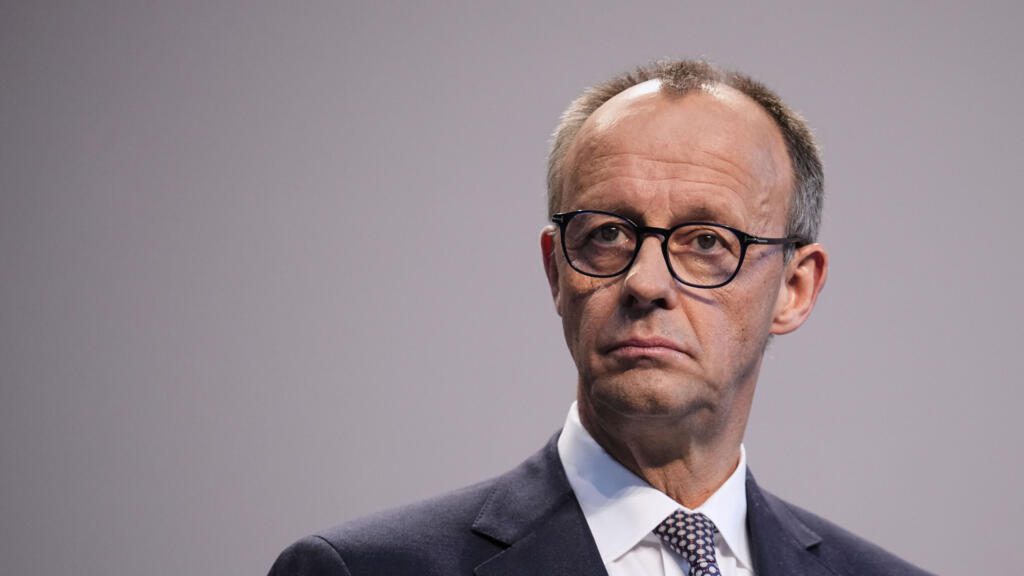
German Chancellor Friedrich Merz stated on 14 September that the coming weeks or months could prove decisive for the defence of peace and freedom in Europe. Speaking at the European Arctic Summit in Rovaniemi, Finland, he confirmed that Berlin would not withdraw its support for Ukraine, despite internal political disputes.
Briefly about the main points
- Merz described the coming weeks or months as potentially decisive.
- Berlin has no plans to change its policy of supporting Kyiv.
- The Chancellor linked Ukraine’s defence to the future of Europe.
- Russia’s success will have consequences for Germany and other countries.
- The summit addressed Arctic and pan-European security risks.
Merz linked aid to Kyiv with the continent’s future
According to the Chancellor, support for Ukraine concerns not only its own security, but also the future of the whole of Europe. He warned that if Russia were to achieve its war aims, this would have «unprecedented» consequences for Ukraine, Germany and other European countries.
Merz described aid to Kyiv as Europe’s historic duty to preserve peace and freedom. Berlin’s official position also links military support for Ukraine to the conditions for a just and lasting peace and to the security of the continent itself.
According to the German Foreign Ministry, as of 13 August, the country had already provided or earmarked more than €43.3 billion in bilateral civilian aid and around €57.6 billion in military aid for the coming years. In April, Berlin and Kyiv elevated their relations to the level of a strategic partnership, providing, in particular, cooperation in the field of air defence and the defence industry.
The Chancellor responded to the internal disputes in Germany
Merz acknowledged that some sections of German society have reservations about continuing to provide aid to Ukraine. He stated that he would seek to convince the public and his political partners of the need to maintain this course, adding that he was not prepared to deviate from it «even by a single centimetre».
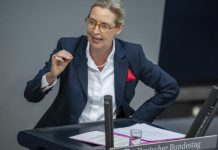
Against the backdrop of these discussions, the right-wing populist «Alternative for Germany»He advocates a radical change in policy towards Moscow, the restoration of economic ties with Russia and an end to arms supplies to Ukraine. The Chancellor insists that European security cannot be separated from Germany’s domestic policy.".
The Arctic Summit discussed broader security challenges
The statement was made at the summit, which took place on 13–14 September and was convened by Finnish Prime Minister Petteri Orpo to develop a more unified EU strategic approach to the Arctic. Topics discussed included Russia’s increasing military activity and security risks to Europe.
NATO considers the Arctic to be of increasing importance to defence due to the maritime links between North America and Europe, new shipping routes and Russia’s growing activity. In February, the Alliance launched Arctic Sentry, and in June it established a multinational forward land-based presence in Finland; its headquarters element is based in Rovaniemi.