President of the United States Donald Trump has said he expects Russia’s war against Ukraine to end «very soon». During a speech in North Carolina, he once again cited the personal animosity between Volodymyr Zelenskyy and Vladimir Putin as one of the reasons for the difficulties in the negotiations. Trump also linked the war to the rise in global diesel prices.
- Trump predicts a swift end to the war.
- He did not specify any particular dates.
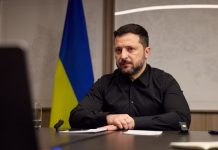
- According to him, Zelenskyy and Putin «hate each other».
- Trump linked the war to the rise in diesel prices.
- Negotiations between the US and Kyiv and Moscow are ongoing.
Trump: «It will all be over very soon»
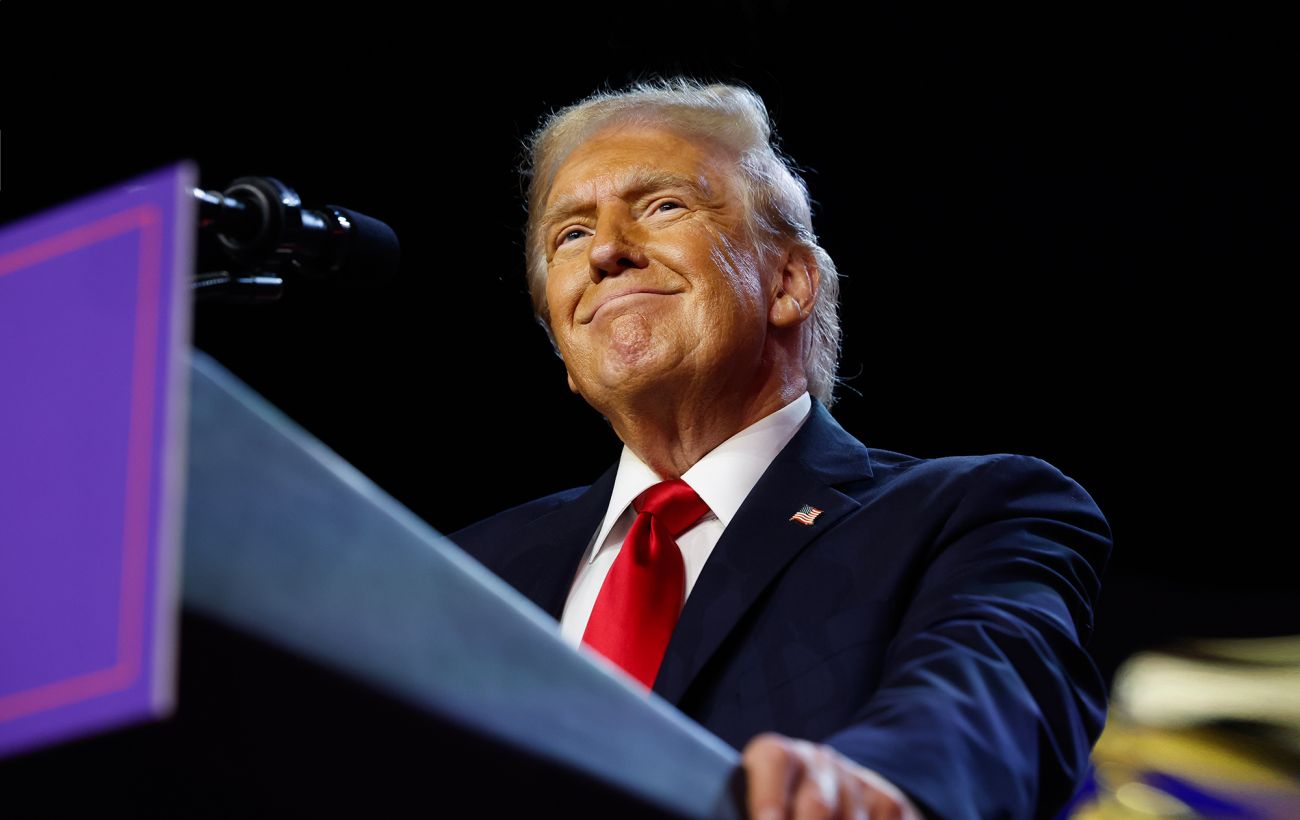
The US President made the statement during a speech at Gastonia, North Carolina, where he took part in a campaign event in support of the Republicans on the eve of the mid-term congressional elections.
Trump stated that his administration is continuing to work towards ending the Russian-Ukrainian war, which he described as the most complex of the conflicts the US has sought to resolve during his presidency.
«These two leaders hate each other so much… It’s a war that’s driving up diesel prices, but it will all be over very soon,» said Trump.
At the same time, the US President He did not specify what his forecast was based on, nor exactly what timeframe he meant by the words «very soon».
Trump has once again spoken out about the relationship between Zelenskyy and Putin
This is not the first time the US President has described the personal relationship between Volodymyr Zelenskyy and Vladimir Putin as a factor which, in his view, is complicating the negotiations.
On 9 September, following a telephone conversation Speaking about Putin, Trump stated that the Russian leader allegedly wants to reach an agreement to end the war. When asked by journalists what was preventing such an agreement, he replied: «Two people who hate each other».
Trump had previously said that he had expected the war to be resolved more quickly, but the negotiation process proved to be more complicated than he had anticipated.
Meanwhile, Russia continues to attacks on Ukrainian territory. On 17 September, Russian attacks caused further casualties and destruction in Kyiv and other Ukrainian cities.
The US tried to negotiate a halt to attacks on the energy sector
Trump’s latest comments came a few days after his attempt to secure a mutual ceasefire between Russia and Ukraine regarding attacks on energy infrastructure.
On 14 September, Trump stated that both sides had allegedly agreed not to attack each other’s energy infrastructure. Zelenskyy subsequently clarified that There is no formal agreement as yet, however, Ukraine is prepared to support such a move if the US ensures that Russia actually fulfils its obligations.
The following day, the Kremlin described the idea as a positive one, but did not confirm that an agreement had already been reached. Meanwhile, attacks on energy infrastructure continued on both sides.
Why did Trump start talking about diesel?
In recent days, the US President has repeatedly linked high diesel prices to Russia’s war against Ukraine and Ukrainian strikes on Russian oil refineries.
On 13 September, he even called on Zelenskyy to halt strikes on Russian facilities involved in the production of diesel fuel.
The Ukrainian attacks have indeed had a significant impact on Russian oil refining. In September Half of Russia’s largest diesel refineries have been forced to scale back or suspend operations, whilst Moscow has restricted fuel exports.
However, the rise in global prices is not solely down to the Russia-Ukraine war. The market is simultaneously under pressure from hostilities in the Middle East, supply issues via the Strait of Hormuz and attacks on Saudi Arabia’s energy infrastructure.
Washington is stepping up economic pressure on Russia
Against the backdrop of negotiations On 16 September, the US House of Representatives passed a major package of sanctions against Russia. The bill received 262 votes «for» and 159 «against» and was sent to Trump.
The document provides for additional sanctions against Russian officials and the financial and energy sectors, and also empowers the President to impose high tariffs on countries that continue to purchase Russian energy resources on a large scale.
Thus, Trump’s latest prediction regarding the end of the war remains, for the time being, his assessment, rather than an announcement of a peace agreement having been reached. There is currently no publicly confirmed timetable for the cessation of hostilities or any agreement between Ukraine and Russia.