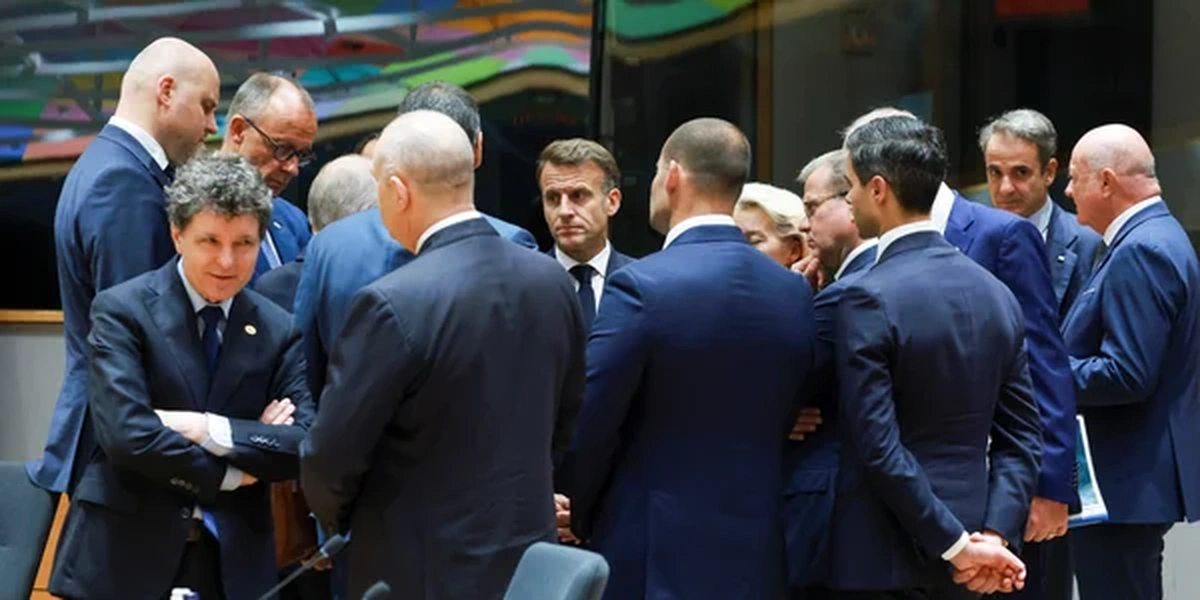
Ahead of the EU summit in Brussels on 15 October, Kaja Kallas, Estonian Prime Minister Kristen Michal and Lithuanian President Gitanas Nausėda expressed their support for Ukraine’s right to counter Russian oil revenues. This came after Volodymyr Zelenskyy announced the end of a three-day pause in strikes on Russian energy facilities; no joint EU decision had been taken regarding such strikes.
Briefly about the main points
- Callas described the strikes on Russian oil refineries as acts of self-defence.
- Michal called for the swiftest possible destruction of Russia’s oil refining facilities.
- Naouseda emphasised that the cessation of attacks must be mutual.
- Zelenskyy stated that Ukraine had brought its three-day pause to an end.
- Bulgaria has spoken out against strikes on energy infrastructure.
What Callas, Michal and Nauseda said
The EU High Representative for Foreign Affairs and Security Policy Kaya Kallas She stated that Ukrainian strikes on Russian oil refineries constitute acts of self-defence. According to her, Russia’s oil revenues remain a key source of funding for the war against Ukraine.
Prime Minister of Estonia Kristen Michal supported as soon as possible damage to Russian oil refineries and the infrastructure that facilitates the sale of energy resources. He explained that this was because Moscow is using energy exports to finance the war.
President of Lithuania Gitanas Nauseda He emphasised the need for reciprocity in any agreements concerning strikes on energy infrastructure. In his view, a unilateral cessation of Ukrainian attacks whilst Russia continues to strike Ukraine’s energy sector would have serious consequences.
Zelenskyy announced the end of the three-day pause
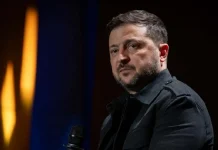
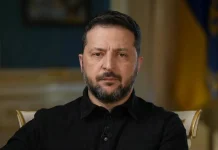
In an interview with the Financial Times Zelensky said., stating that Ukraine had refrained from attacking Russian energy facilities for three days at the request of the US. According to him, Russia continued to shell Ukrainian energy infrastructure during this time, so Kyiv decided not to extend the unilateral pause.
The President also said that the possibility of a further pause might depend on Ukraine receiving additional interceptor missiles for the Patriot systems. His statement referred to the decision to resume strikes, rather than being an independent confirmation of new attacks following the pause.
The views of the other participants in the discussion
Prime Minister of Bulgaria Rumen Radev said. does not support attacks on oil refineries and other energy facilities regardless of the country in which they are located. At the same time, he condemned the Russian attacks on the Ukrainian power grid.
Prime Minister of Sweden Ulf Kristersson supported Ukraine’s right to restrict Russia’s revenue from energy resources, whilst the German Chancellor Friedrich Merz called for increased aid to Ukraine ahead of winter. The exact wording of these comments has not been independently verified in the available sources.
The European Council summit in Brussels is taking place on 15–16 October; its agenda covers support for Ukraine, energy and the protection of critical infrastructure ahead of winter. However, the published agenda does not include a separate collective EU decision to authorise strikes on Russian oil refineries.