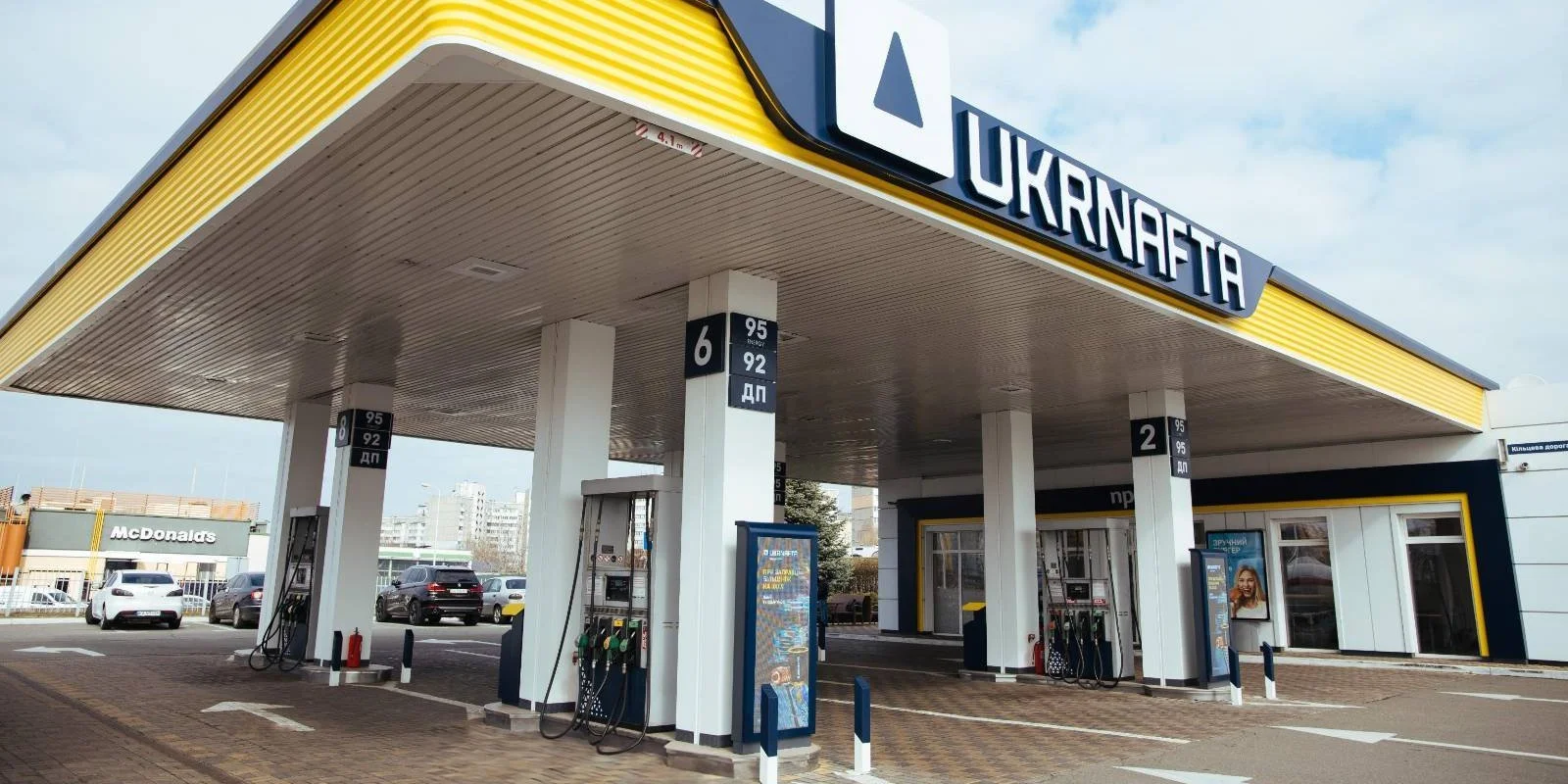
Petrol stations in the Kyiv region will gain access to a specialised digital air situational awareness system used by the Ukrainian Defence Forces. The Kyiv Regional Defence Council adopted the relevant decision, coordinated by the regional military administration. According to Timur Tkachenko, head of the Kyiv Regional Military Administration, responsible staff at petrol stations will be able to receive up-to-date information on the movement of enemy aerial targets in real time. This should help them make quicker decisions regarding the operation of petrol stations during Russian attacks.
- Petrol stations in the Kyiv region are to be connected to the air traffic awareness system.
- It is already being used by the Ukrainian Defence Forces.
- Staff will be able to monitor the movements of enemy aerial targets.
- This will enable petrol stations to respond more quickly to a specific threat.
Petrol stations will be able to detect a specific airborne threat
According to Tkachenko, the new system will enable petrol stations not to rely solely on the general air-raid siren.
The staff responsible will receive more information about the nature and direction of a specific threat and will be able to make timely decisions regarding the operation of the facility, the evacuation of staff and visitors, or other safety measures.
«Our aim is to provide businesses with as many tools as possible so that they can identify risks earlier and respond to them in good time,» emphasised Tkachenko.
The KOVA notes that the decision was taken against the backdrop of a change in the nature of Russian attacks, in which fuel facilities and other civilian infrastructure are increasingly becoming targets.
Safety rules at petrol stations in the Kyiv region are already being tightened
Granting access to the air traffic awareness system was a continuation of the measures that the regional authorities had begun to implement at petrol stations earlier in September.
Following a decision by the Kyiv Region Defence Council, petrol stations are to receive clear procedures to follow during air raid alerts. The plan also provides for checks on the public address systems, emergency power supplies, fire safety measures and access to the nearest shelters for staff and drivers.
The authorities drew particular attention to the organisation of parking. There should be no chaotic congestion of vehicles near fuel tanks, and the route must remain clear for emergency, medical and military vehicles.
Russia is stepping up its attacks on fuel infrastructure
The need for additional protection has become particularly pressing following a series of Russian attacks on petrol stations and fuel infrastructure.
In Kyiv alone, since the start of 2026, the following have been damaged as a result of Russian attacks 16 petrol stations. During the attacks on 15 September in the capital, there were also damaged petrol stations.
On the night of 14 to 15 September, Russia attacked Ukraine with 200 drones of various types, including Shahed strike drones and jet-powered drones. The defence forces reported that 187 aerial targets had been neutralised, although strikes were recorded at seven locations.
That is precisely why KOVA emphasises that businesses and infrastructure must adapt to the new reality and be given more tools to respond to threats at an early stage.
Drivers have been urged to follow the instructions of petrol station staff
Timur Tkachenko made a separate appeal to drivers, asking them to take warning signals seriously.
In the event of air raids, visitors to petrol stations are advised to follow the staff’s instructions regarding the operation of the facility, not to linger on the petrol station premises if there is a threat, and to use the designated shelters.
Once connected to the digital system, decisions to temporarily suspend operations at individual petrol stations will be able to be made on the basis of more accurate information about the air situation, rather than simply a general alert.