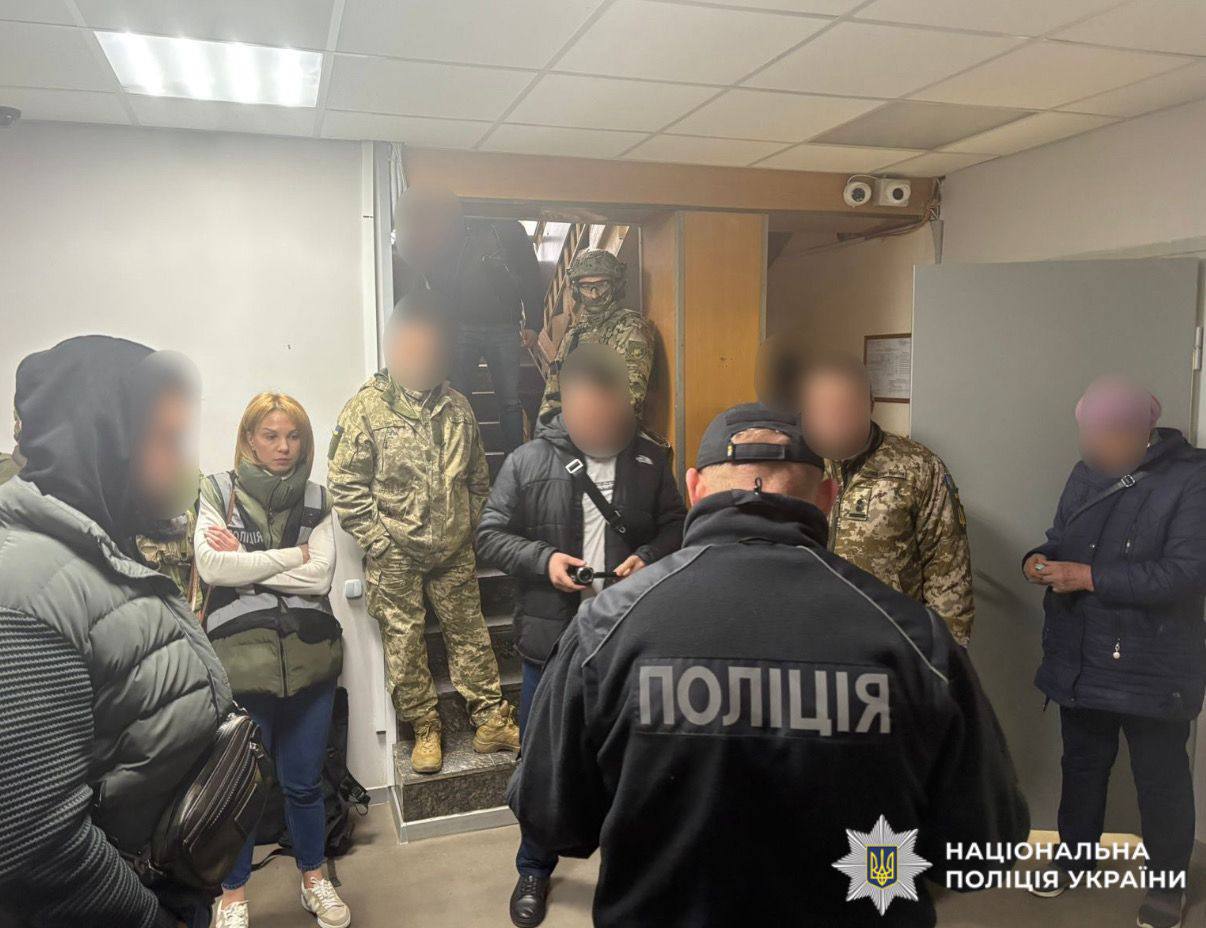
An official was detained at the Boryspil Territorial Centre for Recruitment and Social Support while receiving a bribe. According to the investigation, he demanded $2500 for influencing military registration officers and facilitating the avoidance of mobilisation.
Boryspil TCC official detained while receiving bribe
Law enforcers report detention of an official Boryspilskyi TCC immediately after the transfer of the USD 2,500 bribe to him. According to the investigation, the official promised the mobilised person to influence the military registration and enlistment officers to ensure unimpeded exit from the territorial centre and avoid mobilisation.
As noted in the report, the fact of receiving a bribe was recorded at the time of the transfer of funds, which allowed the official to be promptly detained and the criminal actions to be documented. Investigative actions are ongoing to establish all the circumstances of the case and identify possible accomplices.
Scheme for obtaining an unlawful benefit
According to the investigation, the official extorted USD 2,500 from a mobilised citizen for influencing decisions on his stay in the TCC. In case of receiving the money, he promised to facilitate the unimpeded exit from the centre and avoid mobilisation.
The operatives documented the fact of extortion and transfer of funds. The detention took place immediately after the transfer of money, which excludes the possibility of destruction of evidence or the suspect's escape.
Response of law enforcement agencies
Law enforcement agencies emphasise that the fight against corruption in the military remains a priority during the period of martial law. The case is classified under the articles of the Criminal Code of Ukraine that provide for liability for obtaining an unlawful benefit by an official.
The investigation is ongoing to identify all persons involved in the scheme. The issue of serving a notice of suspicion to the official and choosing a measure of restraint is being settled.
Why it matters
Exposing corruption schemes in the mobilisation system is key to public trust in state institutions, especially in times of war. Such cases undermine the authority of military structures and pose risks to national security.
The prompt response of law enforcement demonstrates the state's determination to fight corruption even in the most sensitive areas. Transparency and inevitability of punishment should be the key to minimising similar cases in the future.