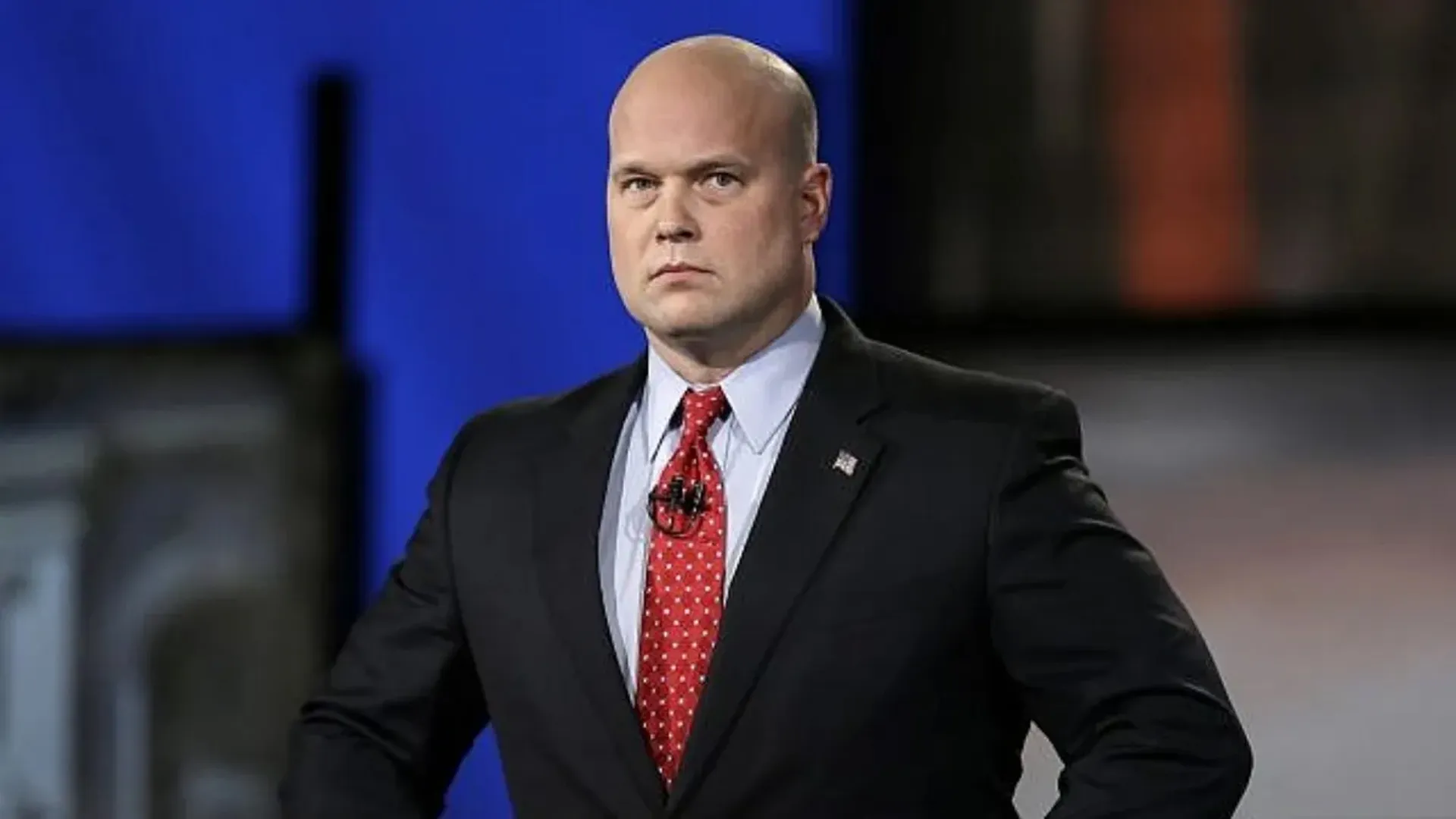
A potential agreement between the US and Ukraine on a licence to manufacture missiles for the Patriot air defence systems will not be finalised before this winter. This was stated by the US Ambassador to NATO, Matthew Whitaker. The delay means that the licensing project will not be able to provide missiles for Ukraine’s air defence in the coming months.
Briefly about the main points
- The licence agreement for the Patriot missiles will not be finalised before winter.
- The US Ambassador to NATO, Matthew Whitaker, announced the delay.
- Local production is no substitute for urgent deliveries of ready-made interceptors.
- The Patriot system, and in particular the PAC-3, is used against ballistic targets.
- Supplies via the PURL mechanism constitute a separate supply channel.
A licence does not mean that production can start immediately
The potential licensing agreement relates to the future localisation of production, rather than the operation of Patriot systems already in place in Ukraine. Its scope has not been publicly specified: it could involve the manufacture of individual components, assembly from imported kits, or another form of cooperation.
The production of interceptors is a more complex process than the supply or maintenance of an air defence battery. As part of the programme Patriot These include, in particular, radar stations, launchers and command posts, whilst missiles constitute a separate product range.
Even a pilot production line could take 18–24 months, assuming the components are available. This is not the timetable for the Ukrainian project, but an assessment of the complexity of such a production cycle.
The demand for missiles is to be met by supplies from partners
Ukraine is considering missiles PAC-3 as one of the key means of countering Russian ballistic threats. In February, the Ukrainian Ministry of Defence described them as the most effective against such targets.
Licensed production is a long-term solution, whereas ready-made interceptors are needed as early as this year. At the end of July, following a meeting with US President Donald Trump, Volodymyr Zelenskyy reported that the parties had discussed licences, and also emphasised the need to procure missiles using European funds.
At the same time, a mechanism is in place PURL, through which the allies procure American weapons for Ukraine. NATO has stated that, since the initiative was launched in the summer of 2025, around 70% missiles have been supplied through it for Ukrainian Patriot batteries. Consequently, the delay in the licensing agreement does not rule out other supply channels, but it does postpone the prospect of local production.
Battery maintenance and localisation — two different areas
In November 2025, the US State Department approved the potential sale to Ukraine of Patriot maintenance services worth up to $105 million. The package included spare parts, logistics, training and the upgrade of M901 launchers to M903.
This decision does not relate to missile production. Consequently, the maintenance of existing batteries, the urgent replenishment of interceptor stocks and future licensed localisation each have different timeframes and practical objectives.