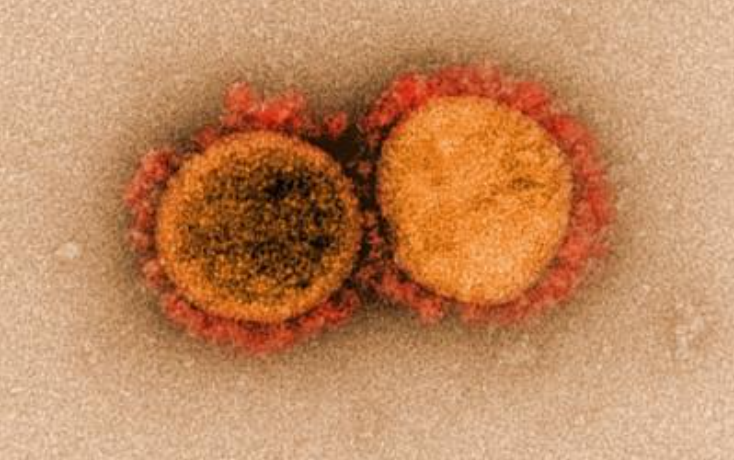
The new PJ.2.1 variant of the coronavirus, first detected in Canada in May 2026, continues to spread across various countries. It has already been detected in the US, Europe and Asia. The World Health Organisation has reported that the symptoms of infection may resemble those of a common cold or flu. However, there is currently no evidence that PJ.2.1 causes a more severe course of the disease compared with other COVID-19 variants. This was reported on 8 November by international news agencies, citing the WHO.
- The new PJ.2.1 variant of the coronavirus was first detected in Canada in May 2026.
- Cases of infection have already been reported in the US, Europe and other regions.
- The symptoms of PJ.2.1 may resemble those of a common cold or seasonal flu.
Where was the new PJ.2.1 coronavirus variant detected?
The first confirmed sample PJ.2.1 It was detected on 2 May 2026 in the Canadian province of Ontario. The virus was subsequently detected in other regions of Canada, and on 30 June in New York. Subsequently, cases of infection were detected in several US states.
The new variant has also been detected in Spain, France, Israel, Singapore, Australia and New Zealand. In some regions of Spain, scientists have observed signs of local transmission of the virus.
PJ.2.1 belongs to the coronavirus evolutionary lineage SARS-CoV-2, which causes COVID-19. A distinctive feature of this variant is the significant number of mutations in the spike protein — the structure through which the virus attaches itself to human cells.
Researchers suggest that it is these changes that may be contributing to the spread of the variant. However, this does not mean that it will necessarily lead to a new large-scale wave of infections.
What are the symptoms of the PJ.2.1 coronavirus?
According to the WHO, there is currently no evidence that PJ.2.1 causes specific symptoms that distinguish it from other variants of the coronavirus.
Possible symptoms of COVID-19 include a high temperature, a cough, a sore throat, a blocked nose or a runny nose, a headache, muscle aches and severe fatigue. Some people also experience digestive problems, shortness of breath or changes in their sense of smell and taste.
The difficulty lies in the fact that such symptoms are not unique to coronavirus. A similar clinical picture is seen in seasonal flu and other acute respiratory infections.
The WHO emphasises that it is not possible to identify the pathogen based on symptoms alone. Where determining the cause of the illness affects the choice of treatment, laboratory testing may be required.
Is PJ.2.1 more dangerous than previous variants of COVID-19?
Researchers have published a study on the new variant in the *Journal of Infection*. Laboratory results suggest that PJ.2.1 may bind more effectively to the ACE2 receptor, through which the coronavirus enters human cells.
This characteristic may potentially explain the rapid spread of the virus. At the same time, the researchers did not find that PJ.2.1 was significantly more capable of evading neutralisation by antibodies from vaccinated people than most other variants tested.
It is important to note that the virus’s laboratory characteristics do not allow us to automatically determine the severity of the disease in humans.
As of 8 November, there is insufficient evidence to suggest that infection with PJ.2.1 is more likely to lead to hospitalisation, severe complications or death. The WHO continues to monitor its spread.
Who is in the high-risk group?
Regardless of the specific variant of SARS-CoV-2, the highest risk of severe COVID-19 remains for older people, those with weakened immune systems, pregnant women and patients with certain chronic conditions.
People with cardiovascular diseases, diabetes, and chronic lung and kidney conditions require particular attention.
The WHO emphasises that vaccination remains an important way of reducing the risk of severe illness and death. For people in high-risk groups, seeking medical help promptly is also important, as certain antiviral medicines are most effective in the early stages of infection.
How to tell the difference between COVID-19 and a common cold
If you develop a fever, a cough, a sore throat or other symptoms of a respiratory infection, it is advisable to stay at home, limit your contact with others and, if necessary, get tested for coronavirus.
Rapid antigen tests can help detect an infection, but a single negative result does not always rule out COVID-19. According to the CDC’s recommendations, people with symptoms who have had an initial negative home test should repeat the test after 48 hours or use a more sensitive molecular test.
People at high risk of complications should not delay seeking medical advice. If you experience difficulty breathing, severe chest pain or a loss of consciousness, you require urgent medical attention.
For the time being, the emergence of PJ.2.1 does not alter the basic principles of COVID-19 prevention: vaccination in accordance with medical advice, ventilating indoor spaces, hand hygiene and minimising contact whilst unwell remain the key protective measures.