Russian troops have faced new difficulties in supplying the occupied Crimea following the collapse of the road span of the Crimean Bridge on 17 November 2026. The main burden now falls on the land corridor through the occupied territories of southern Ukraine, but this route is also under threat from Ukrainian drone strikes. Russian transport operators are forced to take into account the risk of attacks, damage to transport infrastructure and the limited capacity of alternative routes. According to military analysts, the simultaneous pressure on the Crimean Bridge and land routes is making it more difficult to supply Russian military units on the peninsula.
- On 17 November, part of the Crimean Road Bridge collapsed following Ukrainian strikes.
- Russian transport is becoming increasingly dependent on the land corridor through the occupied south.
- Ukrainian drones pose a constant threat to transport links with Crimea.
- Damage to bridges and alternative routes is hampering the supply of Russian military units.
Following strikes by the Ukrainian Armed Forces, the road section of the Crimean Bridge collapsed
On 17 November, the Security Service of Ukraine confirmed the results of the operation against the Crimean Bridge. According to the agency, the Ukrainian military used «Palyanytsia» drone missiles to strike the road section of the bridge, as a result of which An arch and a road span have collapsed in the Kerch Strait.
The bridge’s railway infrastructure was also damaged. The destruction has significantly limited the use of the crossing, which for a long time remained one of the key supply routes for Russian troops on the occupied peninsula.
The land corridor to Crimea is under constant threat
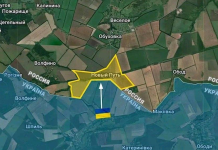
Following the damage to the bridge, Russia is forced to rely even more heavily on road links through the occupied areas of the Donetsk, Zaporizhzhia and Kherson regions. One of the main transport routes remains the R-280 road, which links Rostov-on-Don with Crimea via the territories along the Sea of Azov.
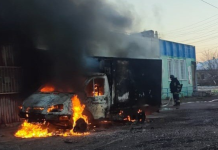
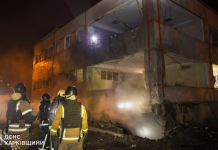
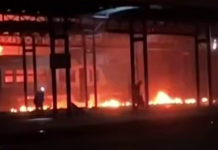
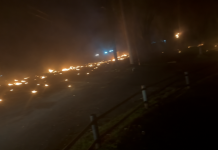
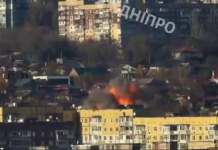
However, this route has long been under threat from Ukrainian attack drones. According to Reuters, Ukrainian forces have stepped up attacks on Russian logistics in recent months, using medium-range drones.
Military experts point out that, even before the bridge was destroyed in November, the Russian army had already diverted a significant proportion of its fuel and ammunition supplies via a land corridor. Its vulnerability is therefore of particular importance for the continued supply of troops.
Transport operators risk being targeted by drones
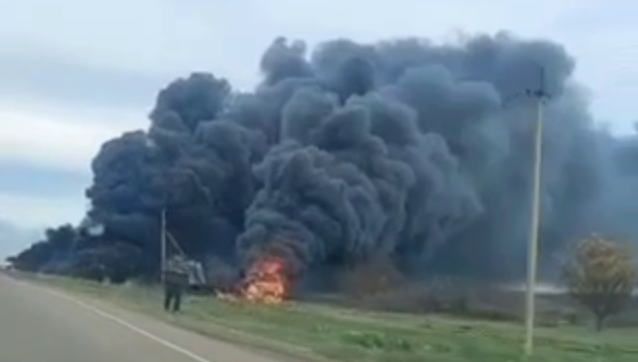
Russian drivers refer to a dangerous stretch of the overland route as the «road of death». Due to the threat of drone attacks, hauliers are being offered higher rates for delivering goods, which can reach 600,000 roubles per journey.
Attacks on bridges and transport hubs posed a further problem. According to a former Ukrainian military intelligence officer quoted by the “Crimea Realities” project, Ukrainian forces attacked six bridges spanning rivers along supply routes over the course of a month.
This is forcing the Russian side to find alternative routes, thereby increasing delivery times and the strain on other roads.
Could Russia be left without supplies to Crimea?
The occupied peninsula is not currently completely isolated. Russia maintains alternative transport routes, including land links, and is also attempting to organise transport via ferry crossings.
However, at the same time damage to the Crimean Bridge and the constant wear and tear on the roads has a cumulative effect. The more freight is channelled through a limited number of routes, the greater the impact any new damage has on the entire transport system.
Analysts at the Institute for the Study of War (ISW) believe that the destruction of the road span of the Crimean Bridge is complicating Russian logistics and the maintenance of its military presence on the peninsula.
Consequently, the main problem for Moscow lies not only in the loss of part of the Crimean Bridge, but also in the increasing vulnerability of the entire supply network for occupied Crimea.