The Russian command has begun relocating the Black Sea Fleet’s headquarters from occupied Sevastopol to Novorossiysk. Officers are already moving their families and belongings, preparing for the final relocation. This is due to systematic strikes on the fleet’s infrastructure by Ukrainian missiles, which have made it significantly more difficult to maintain headquarters in Crimea.
- Russia is preparing to evacuate the Black Sea Fleet command from Sevastopol to Novorossiysk.
- Officers are already moving their families and belongings in preparation for the relocation.
- Strikes by the Ukrainian Defence Forces on the infrastructure of the Russian Black Sea Fleet have intensified since 27 May.
- Maintaining command posts in Crimea is becoming increasingly risky for the occupying forces.
Evacuation of the Black Sea Fleet Command
The Russian Black Sea Fleet command is preparing to evacuate its headquarters from occupied Sevastopol to Novorossiysk. According to the military-partisan movement «Atesh», specific relocation plans are already being drawn up within the command structures, and some officers are actively moving their families and belongings.
Attacks on naval infrastructure
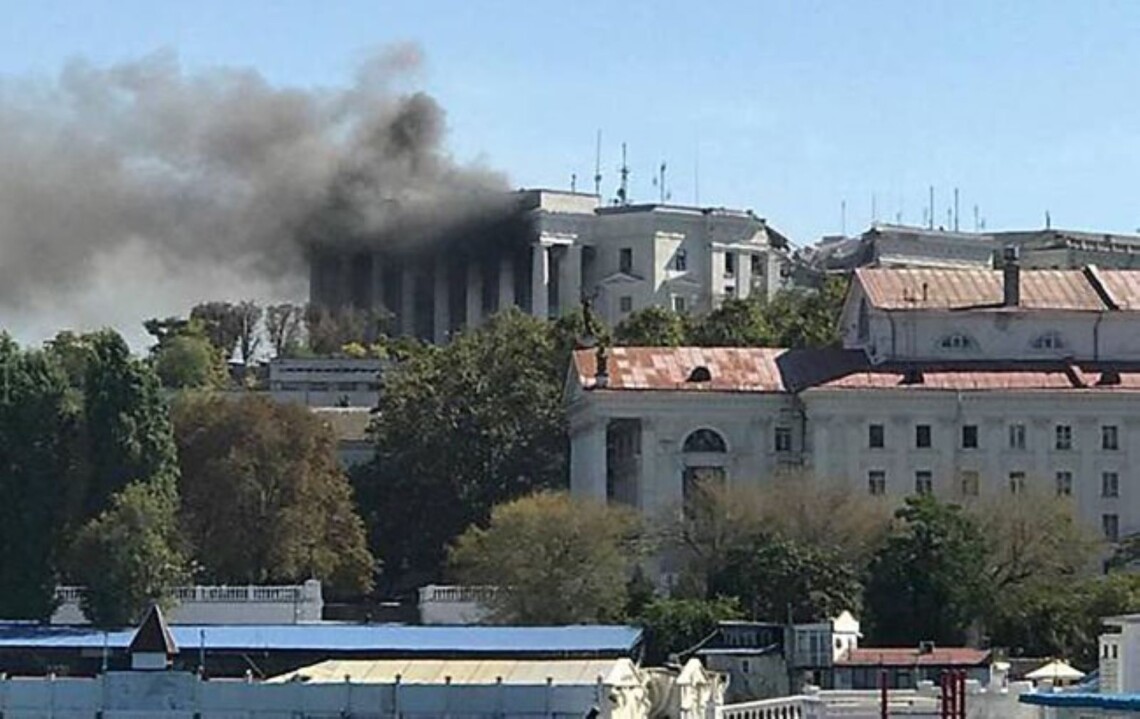
On 27 May, the Ukrainian Defence Forces launched a missile strike against the Black Sea Fleet’s aviation command and control centres in Sevastopol, specifically targeting the aviation headquarters on Gogol Street. Since then, attacks on the peninsula have only intensified, leading to a significant deterioration in the logistical situation for the Russian occupiers.
The reaction of the officers and the mood among the leadership
According to «Atesh», a number of officers are not waiting for official orders and have already begun practical preparations for relocation: they are moving their families out, disposing of unnecessary belongings and settling in Novorossiysk. There is a gloomy mood among the fleet’s leadership, particularly among those who realise the scale of the threat.
Logistical and strategic challenges
The relocation of the administrative offices was a logical consequence constant pressure on naval infrastructure in Crimea. Maintaining command structures in Sevastopol is becoming increasingly costly and risky for the Russian occupiers. Analysts predict that the coming months could prove to be the most difficult for Russian forces on the peninsula.
Future prospects and monitoring
The «Atesh» military-partisan movement continues to monitor movements and changes in the command structure of the Russian Federation’s Black Sea Fleet. This highlights the importance of the Ukrainian side’s rapid response to changes in the enemy’s deployment and the potential implications for the future military situation in the region.