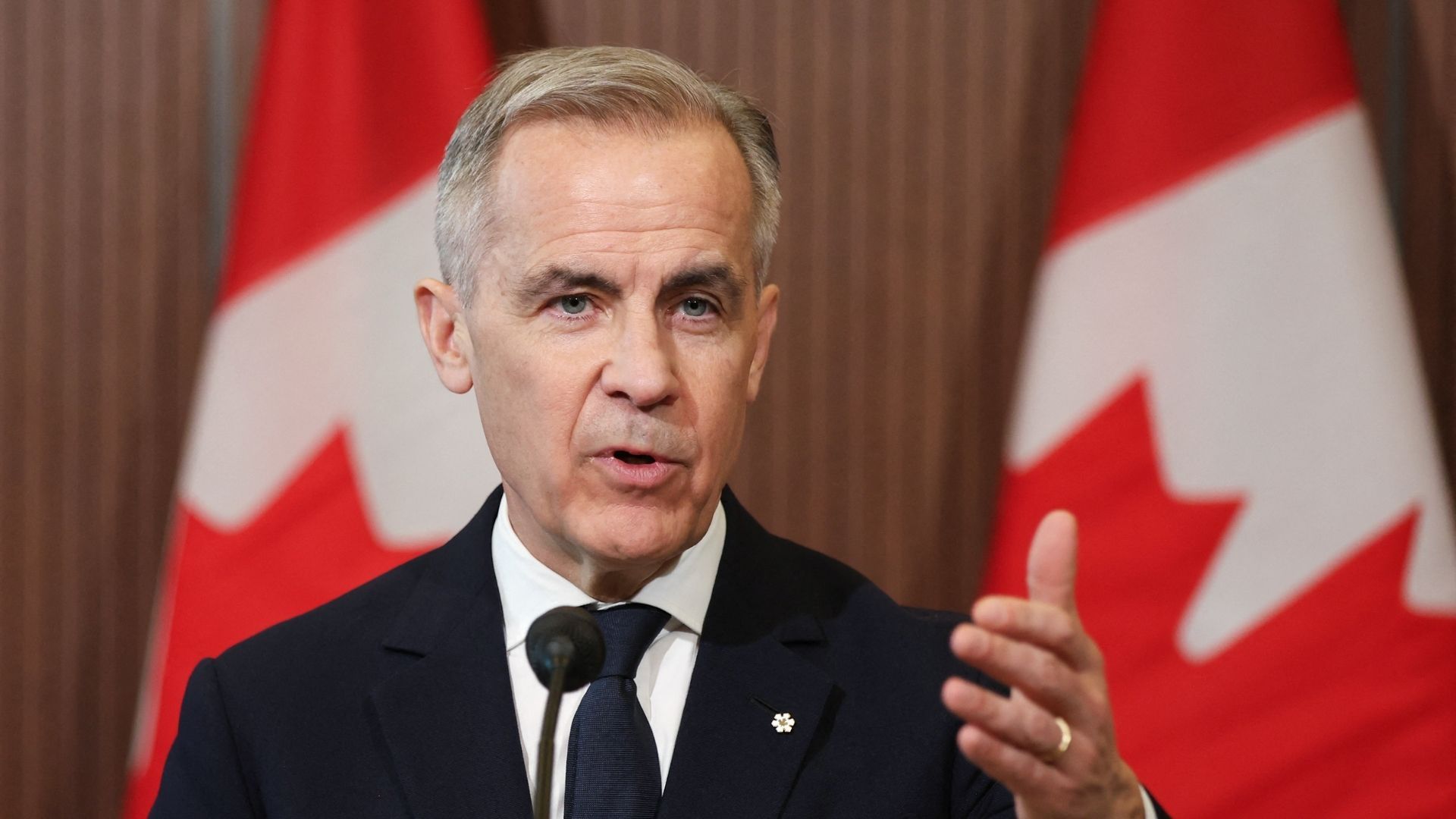
Canada is preparing to begin negotiations with the European Union on a new format for a strategic partnership, which Prime Minister Mark Carney has described as a «unique alliance». Ottawa is not considering full membership of the EU, but is seeking deeper integration with Europe in the areas of the economy, defence and technology. This rapprochement has accelerated against the backdrop of Canada’s acute trade dispute with the US.
Briefly about the main points
- Canada is planning to hold talks with the EU on a new partnership framework.
- Canada’s full membership of the European Union is not under consideration.
- They are discussing closer cooperation in trade, defence, AI and energy.
- «Associate membership» is not a recognised legal status.
- Initial agreements may be discussed at the summit at the end of October.
What might the new partnership format look like?
Mark Carney stated that Canada has no intention of becoming a member of the European Union. According to him, Ottawa wishes to negotiate a separate model of cooperation with Brussels, based on shared values and complementary priorities.
The Wall Street Journal reports, …that Canada’s Special Representative to Europe has been tasked with exploring the most ambitious options short of full membership and accession to the single market. Technical working groups are analysing ways to facilitate the movement of goods, services and workers in the sectors of energy, artificial intelligence, defence and critical minerals.
Other ideas mentioned include joint data centres, undersea cables, energy infrastructure and broader academic exchanges. The term «EU associate member» has no official legal status for Canada; Reuters, citing the Globe and Mail, reported that this title may have been proposed by the European side.
The trade dispute with the US has shifted Ottawa’s priorities
Canada’s new policy is taking shape against the backdrop of the most serious crisis in many years trade dispute with Washington. The US imposed tariffs on a range of Canadian goods, Canada responded with retaliatory measures, and negotiations on a new agreement broke down.
On 13 September, US President Donald Trump described Canada as «the worst country to negotiate with» and confirmed his intention to impose new tariffs on Canadian cars, lorries and components from 1 January. The Carney government has been increasingly vocal about the need to reduce economic dependence on the US.
Defence and technological convergence has already begun
The new framework for relations will build on the agreements reached over the past two years. In 2025, Canada and the EU launched the New EU-Canada Strategic Partnership of the Future, which covered digital technologies, artificial intelligence, cyber security and infrastructure. That same year, the parties established a separate partnership in the field of security and defence.
In February 2026, Canada became the first non-European country to join the EU’s SAFE programme — Security Action for Europe. The programme focuses on joint defence procurement and strengthening the defence industrial base.
Europe is already Canada’s second-largest trading partner
The European Union is Canada’s second-largest trading partner after the US. According to the Canadian government, bilateral trade in goods and services amounted to approximately 178 billion Canadian dollars in 2025.
The EU is also the second-largest source of foreign direct investment in Canada: this was estimated at 217 billion Canadian dollars. Canadian investment in the European Union amounted to approximately 315 billion Canadian dollars. The future model could expand the existing CETA trade agreement to include defence, technology and energy sectors.
Strasbourg and the October summit will determine the next steps
Mark Carney will visit Strasbourg from 15 to 17 September, where he will address the European Parliament, attend the annual address by European Commission President Ursula von der Leyen, and hold talks on trade, investment and security.
The next milestone will be the Canada–EU summit, which Ottawa will host on 29–30 October. The summit may see the first concrete agreements on the future structure of the partnership, although the final format has yet to be agreed.