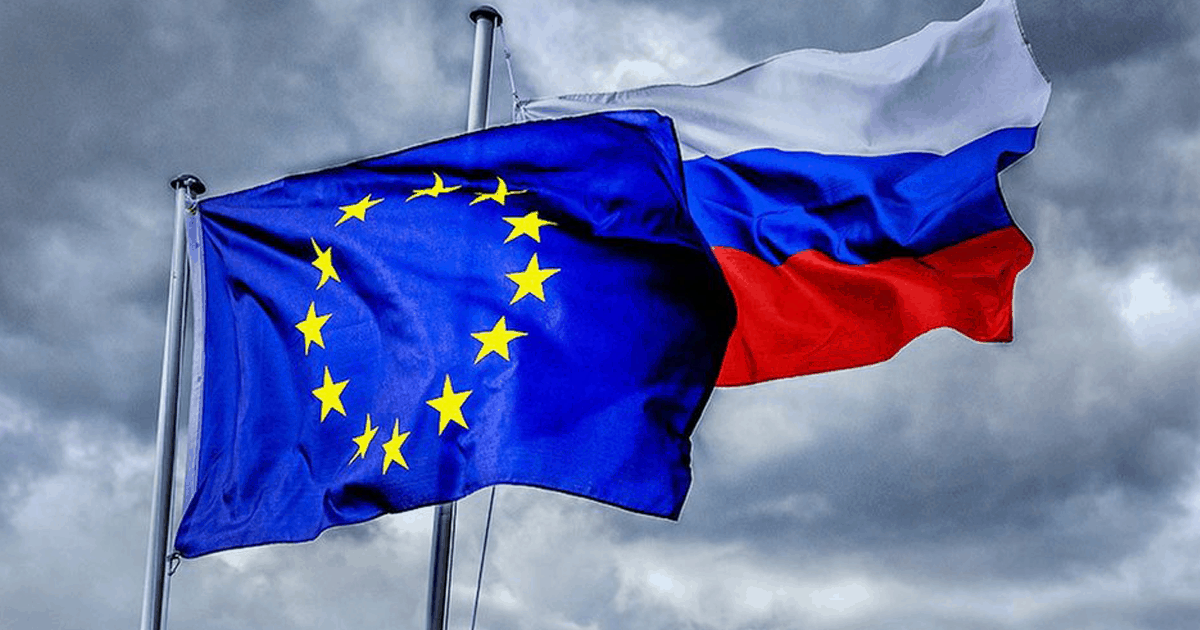
EU ambassadors were unable to agree on extending personal sanctions against Russians and companies linked to the war against Ukraine ahead of the 15 September deadline. According to Politico, the talks were blocked by Slovakia’s demands to remove Alisher Usmanov and Mikhail Fridman from the list, as well as a dispute over the duration of the new sanctions period.
Briefly about the main points
- The current EU personal sanctions regime expires on 15 September.
- Slovakia is calling for Usmanov and Friedman to be removed from the list.
- France supports the lifting of restrictions on Usmanov.
- Nor have the countries agreed on a six-month or one-year term.
- In the absence of a decision, individual sanctions will be lifted, but not sectoral sanctions.
The livelihoods of thousands of people and companies are now under threat
These are personal sanctions targeting Russian officials, military personnel, businesspeople and companies whom the European Union links to the aggression against Ukraine and the undermining of its territorial integrity. In March, the Council of the European Union extended these measures for a further six months — until 15 September 2026.
At the time of the March review, the list comprised approximately 2,600 individuals and legal entities. Following subsequent batches and new additions, the total number of sanctioned individuals and entities linked to Russia approached three thousand.
In the area of the common foreign policy, decisions on sanctions are taken unanimously. Consequently, the position of just one of the 27 Member States is sufficient to prevent the extension of the entire sanctions regime, rather than merely blocking changes relating to individual persons on the list.
Bratislava is seeking the extradition of two Russian businessmen
The main stumbling block in the negotiations was Slovakia’s demand to lift restrictions on Alishera Usmanova and Mikhail Friedman. Bratislava had put forward a similar condition during the previous review of sanctions in March.
The negotiations were complicated by France’s stance, as it supported Usmanov’s exclusion. At the same time, the French side has stated its support for extension of the sanctions regime In general, he does not comment on discussions concerning specific names.
Paris’s stance has drawn objections from a number of other EU member states, which are unwilling to ease the pressure on Russian businesspeople whilst the war is ongoing. The Financial Times reported that most members of the bloc do not want to allow the personal sanctions to be lifted.
The countries also failed to agree on the duration of the new period
The second point of contention concerns the renewal mechanism. Personal restrictions have so far been reviewed every six months, but some countries are proposing a switch to an annual cycle.
Supporters of this approach seek to avoid two difficult rounds of political negotiations a year and to reduce the scope for using sanctions decisions as leverage to secure concessions. Slovakia insists on retaining the six-month cycle.
This discussion does not concern sectoral sanctions against the Russian economy: the EU has already extended these for a 12-month period. The current negotiations relate specifically to the sanctions lists.
Which restrictions might be lifted, and what is the EU preparing in the meantime?
If the Member States do not adopt a new decision, the asset freezes, the ban on the provision of funds and economic resources, and – for individuals – the ban on entry into and transit through the EU will cease to apply. This will not mean the automatic lifting of all sanctions against Russia.
Economic and sectoral restrictions, sanctions against shadow fleet, banks, technology exports and other sectors operate under separate legal regimes. At the same time, a failure to extend the targeted sanctions list would deal a political blow to the European Union’s sanctions policy.
The dispute is taking place alongside preparations for a major new round of targeted sanctions. In August, the head of European diplomacy Kaya KallaShe spoke of the possible inclusion of approximately 1,600 individuals and legal entities, primarily linked to the Russian military-industrial complex. In July, the EU had already added hundreds of entries relating to banks, cryptocurrencies, oil traders, the military-industrial complex and schemes to circumvent sanctions.
Diplomats must use the time remaining before the deadline to reach a compromise. If no compromise is reached, the targeted sanctions regime will cease to apply; an agreement, on the other hand, would allow these restrictions to be maintained in an updated form.