Germany is preparing a package of measures to counter sabotage, drone attacks and cyberattacks, which the authorities link to Russian hybrid operations. According to Bild am Sonntag, mobile units of the Federal Police in nine cities will form a key element of the plan. The plan also includes new tools for infrastructure operators, video analytics and the nationwide Cyberdome cyber defence system.
Briefly about the main points
- The Federal Police are planning to set up mobile anti-drone units in nine strategic cities.
- The incident was triggered by a drone carrying an explosive device and a detonator in Leipzig/Halle.
- There are plans to extend anti-drone powers to energy and water supply operators and defence companies.
- There are plans to use AI, video analytics and biometric recognition at railway stations.
- Cyberdome is designed to detect network intrusions and help block cyberattacks.
Units will be able to quickly step up security at sites
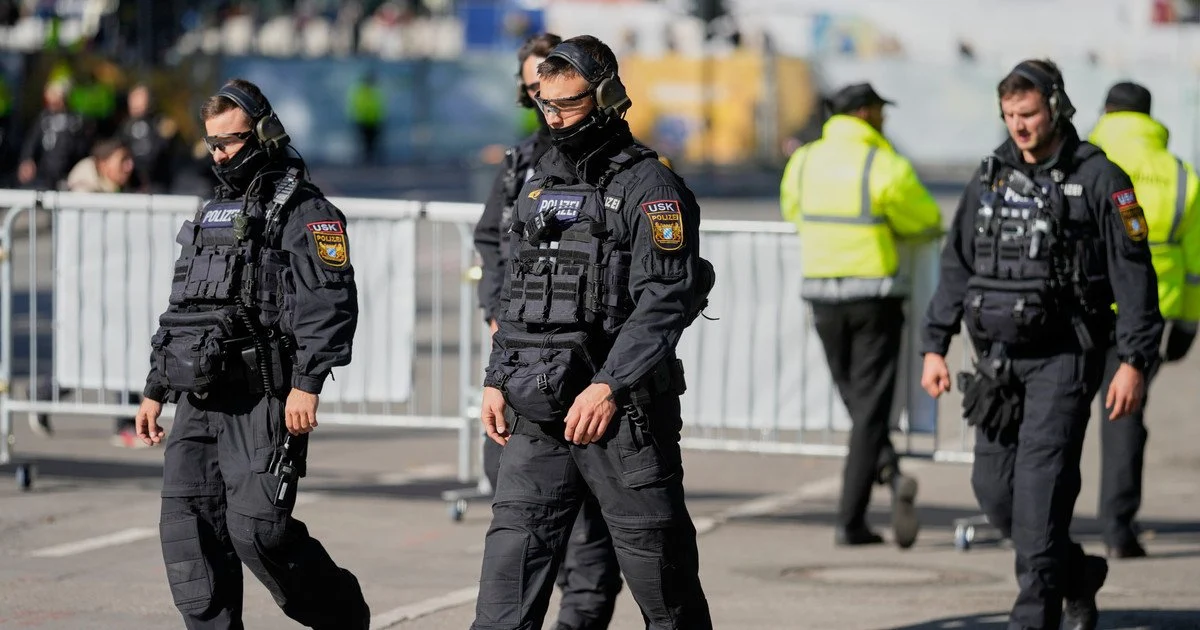
The new units are to be stationed in Berlin, Frankfurt am Main, Munich, Hamburg, Stuttgart, Düsseldorf, Leipzig, Hanover and Cologne. They are to provide rapid reinforcement for the security of international airports, major railway stations, transport hubs, critical infrastructure sites and the government district in Berlin.
The units must detect and intercept drones, deal with drones carrying explosives, and defuse explosive devices. Vehicles and helicopters are to be used to deploy them.
The catalyst for tightening security was incident in early August at Leipzig/Halle Airport, where a drone containing an explosive substance and a detonator was discovered. Ukrainian cargo aircraft were in the vicinity. On 1 September, the government stated that the investigation findings pointed to individuals acting on behalf of Russian state bodies; Moscow denies this.
Infrastructure operators are set to be granted greater powers
The Ministry of Internal Affairs wishes to grant energy companies, water utilities and defence enterprises the legal means not only to detect unauthorised UAVs, but also to actively counter them. At present, the specific legal mechanisms have yet to be determined.
According to internal data from the Federal Criminal Police Office, as reported by the German media, more than 160 cases of suspicious activity or possible acts of sabotage targeting critical infrastructure have been recorded in the country since the start of 2026.
AI and biometrics are set to help detect planned attacks
The authorities plan to make wider use of artificial intelligence, biometric facial recognition and automated video analysis at railway stations and other strategic locations. According to BILD, the algorithms are intended to help law enforcement agencies locate wanted individuals, weapons, suspicious objects and behaviour that may indicate the preparation of an attack or act of sabotage.
The stated aim of these systems is to identify potential attackers before they are able to carry out an attack.
Cyberdome will monitor attempts to breach the network
The nationwide Cyberdome is set to become a network of digital sensors designed to detect attempts to infiltrate government and corporate networks and to block attacks at an early stage. According to Alexander Dobrindt, the Minister of the Interior, government bodies and companies face hundreds of cyberattacks every day.
In July, the government had already approved the CyberGovSecure programme to strengthen the federal administration’s defences against espionage campaigns, ransomware and DDoS attacks. Cyberdome is set to extend its continuous monitoring to a much wider range of networks.
Berlin expects hybrid threats to intensify further
Dobrindt stated that drone attacks carrying explosives, the activities of agents, cyber-attacks and acts of sabotage against infrastructure had become a «daily reality» for Germany. Following the incident in Leipzig, US Ambassador to NATO Matthew Whitaker said that the allies must not tolerate deliberate hybrid attacks against Alliance countries.
Some of the planned measures still require practical and legal implementation, in particular the rules on actively countering drones for infrastructure operators.