Polish health authorities have placed a person under surveillance due to possible contact with a passenger on the MV Hondius cruise ship, which has been the site of a hantavirus outbreak. Three people have already died from this dangerous infection, and several passengers remain under suspicion.
Sanitary surveillance in Poland due to hantavirus
Poland has launched sanitary surveillance of a person who may have been in contact with a passenger of the MV Hondius cruise ship, where the deadly hantavirus outbreak occurred. According to RMF24, The Chief Sanitary Inspectorate of Poland reports that the person under monitoring has no symptoms of the disease, but will be monitored for the next seven days.
Polish sanitary services have also started checks to identify other possible contact persons. Particular attention is being paid to those who may have had contact with the ship's passengers after they disembarked.
Situation on board MV Hondius
On a cruise ship MV Hondius There was one Polish citizen on board, the captain of the vessel. According to official data, three people have already died from the hantavirus on boardA couple from the Netherlands and a German citizen.
In addition, several other passengers who disembarked on the islands of St Helena and Tristan da Cunha in late April remain under suspicion of infection. All passengers on board are considered contact persons and are subject to mandatory testing.
Government actions and international response
On the morning of 10 May, the MV Hondius cruise ship arrived at a port on the Spanish island of Tenerife. Spanish medical specialists immediately went on board to carry out the final sanitary checks.
For the first time in history, Britain has sent military medics to a remote island due to the threat of infection Tristan da Cunha. The operation was necessary to help a British citizen who had previously been on board the ship and was experiencing symptoms typical of hantavirus.
Why it matters
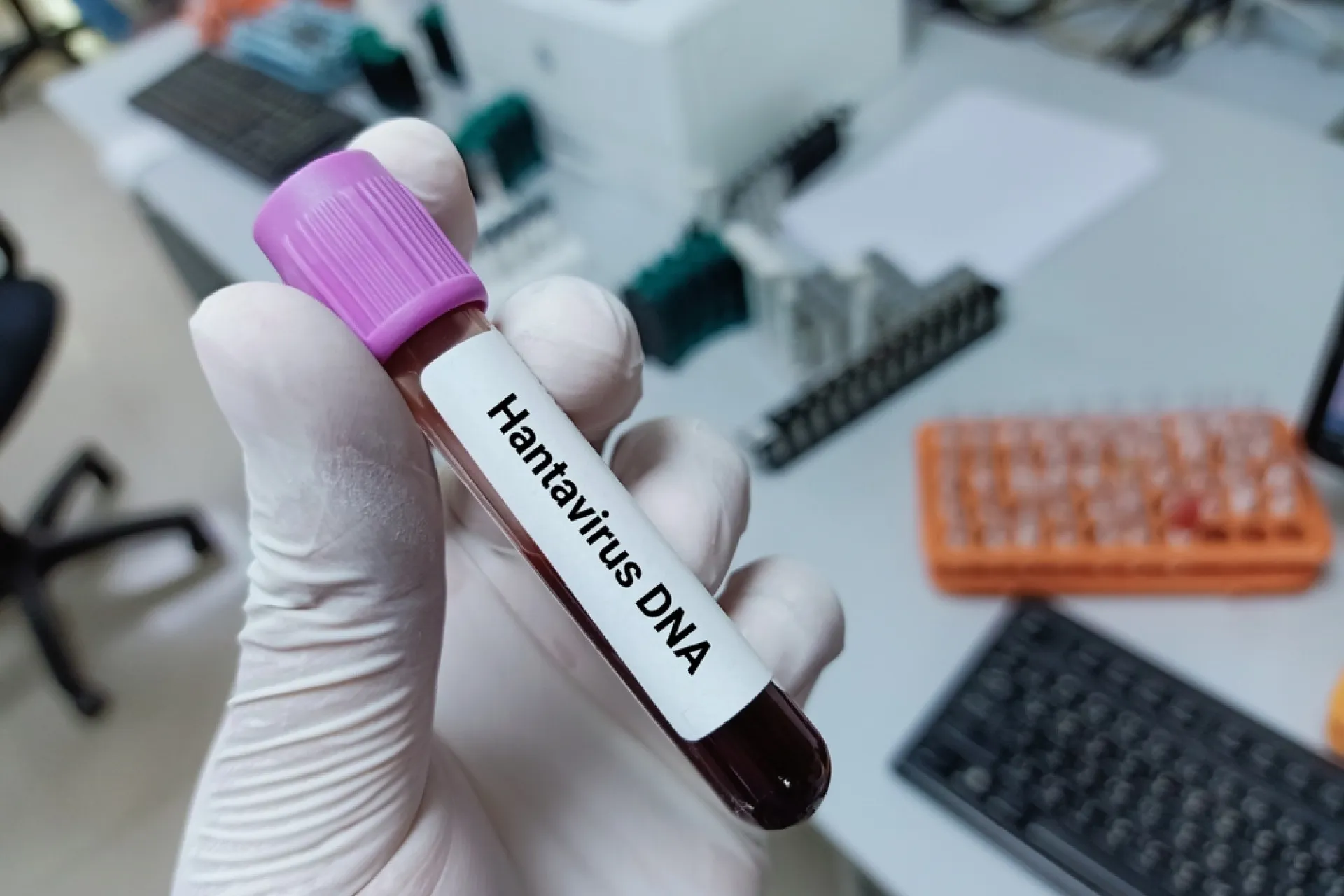
Hantavirus is a zoonotic infection, is a disease that is transmitted to humans by rodents, such as mice, rats and voles. Infection occurs through inhalation of air contaminated with the secretions of infected animals or through damaged skin. According to the WHO, between 10,000 and 100,000 cases of hantavirus infection are reported annually worldwide.
In Europe, the virus most often causes haemorrhagic fever with renal syndrome. Mortality and the lack of a vaccine pose serious public health risks, especially in the case of outbreaks on large vehicles such as cruise ships.
The current situation around MV Hondius demonstrates the importance of international coordination and rapid response to cases of dangerous infections. The prompt action of health services and medical professionals is crucial to limiting the spread of the virus and protecting citizens of different countries.