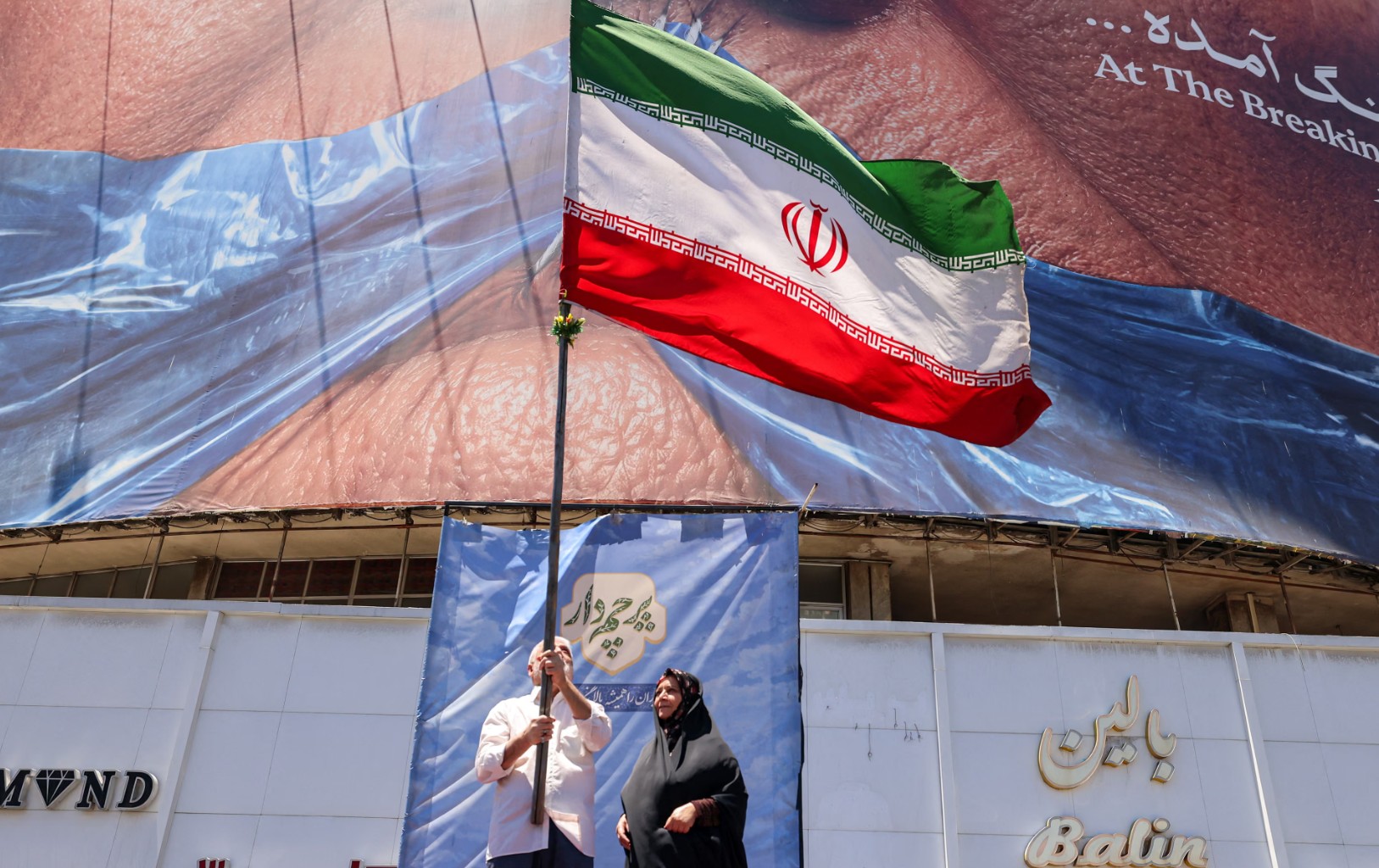
US President Donald Trump has circulated a draft peace agreement with Iran among allies, including Israel. The document envisages the resumption of commercial shipping in the Strait of Hormuz, the lifting of the blockade of Iranian ports, and the start of negotiations on Tehran's nuclear programme. Currently, negotiations in the region remain tense, and the threat of new conflicts remains.
Briefly about the main points
- Trump circulates draft peace deal with Iran to allies, including Israel
- The project envisages opening the Strait of Hormuz to commercial shipping
- Iran must give up nuclear weapons and accept IAEA supervision
- The deal provides for the lifting of the blockade of Iranian ports and access to $12bn in frozen assets
Donald Trump's draft peace agreement
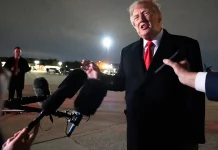
Donald Trump distributed to allies, including Israel, draft peace agreement regarding the war with Iran. The document provides for opening of the Strait of Hormuz for commercial shipping, lifting the blockade of Iranian ports, and providing Iran with access to $$12 billion in frozen assets. Under the terms of the project, commercial shipping should return to pre-war levels within 30 days.
The draft also provides for the start of negotiations on Iran's nuclear programme, including discussion of highly enriched uranium stockpiles, temporary suspension of enrichment and IAEA supervision. Iran must give up nuclear weapons.
Tensions in the region and diplomatic movements
In parallel with the circulation of the draft agreement, Iran shelled a US air base in Kuwait in response to US strikes near the Strait of Hormuz. The Iranian Navy confirmed its control over the strait, announcing that it had allowed 26 commercial and oil tankers to pass through over the past day.
Iran is also holding separate talks with Oman on the management of the Strait, but the US has threatened to sanction Oman for its participation in the toll collection system, which has caused a sharp reaction in the region. Trump openly threatened “to ”destroy" Oman if such agreements are implemented.
Reactions and internal challenges in Iran
Tensions within Iran have escalated due to negotiations with the United States. The country's supreme leader Mojtaba Khamenei called for avoiding discord and focusing on the economic problems of the population. He noted that the US and Israel are seeking to weaken the country by creating internal conflicts.
According to the information Amnesty International, Since the beginning of hostilities, more than 6,000 people have been detained, including activists, journalists and human rights defenders.
Impact on geopolitics and future prospects
China insists on the ratification of the agreement by the UN Security Council, and negotiations are intensifying on Pakistan's mediation and Qatar. However, key issues, such as sanctions on Iran's oil industry and the details of its nuclear programme, remain the subject of heated debate.
The course of the negotiations and the observance of the ceasefire in the Strait of Hormuz will determine the further development of the conflict and the security of an important transport artery for global energy.
Threats of escalation and the strategic importance of the Strait of Hormuz
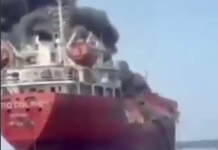
The presence of vessels in the conflict zone without Iranian permission has already led to the intervention of the Islamic Revolutionary Guard Corps. The Iranian side demands mandatory approval of the passage, threatening to consider violations as destabilisation.
These actions underscore the fragility of the 8 April ceasefire and the potential for a new escalation, which could affect global oil prices and regional stability.