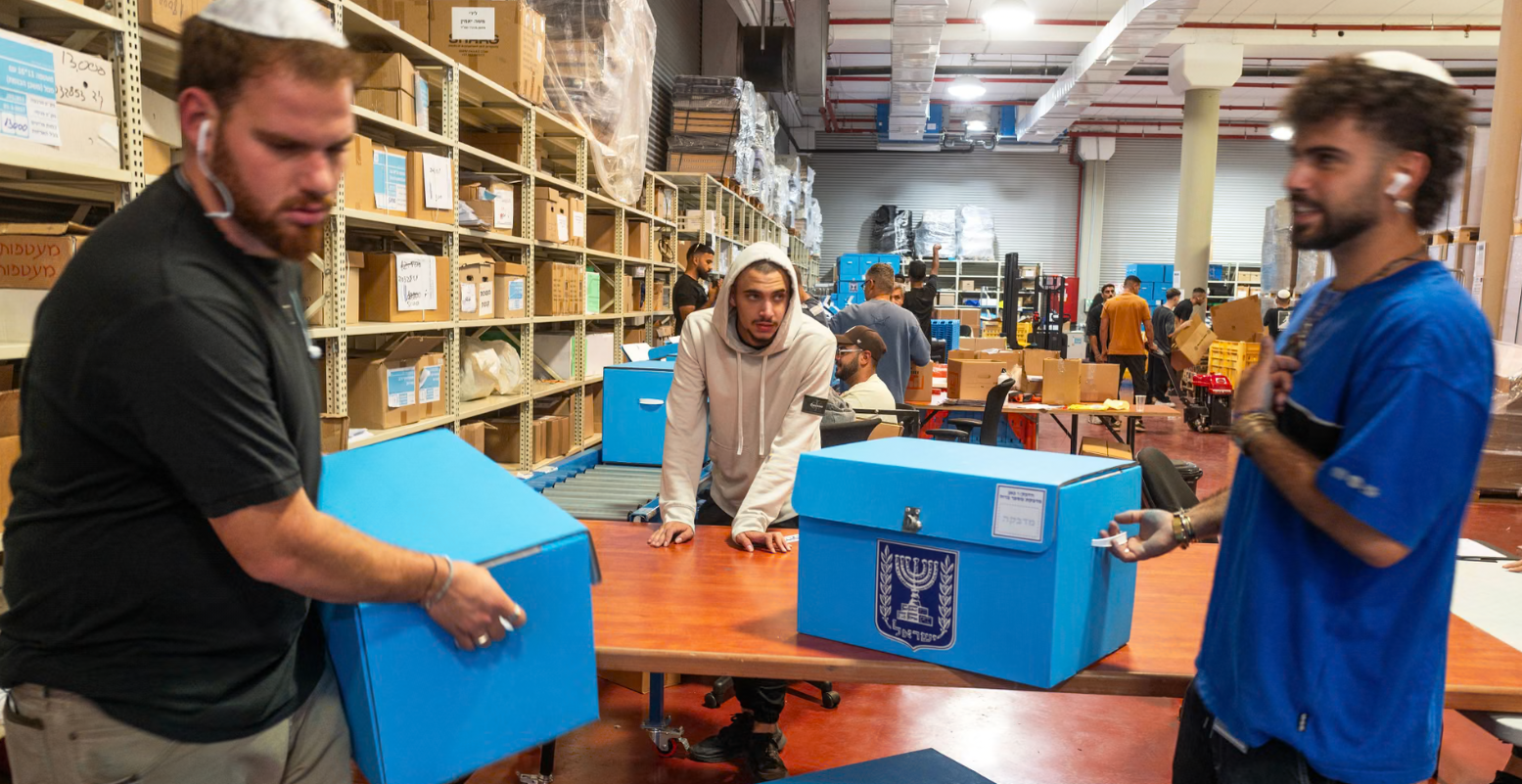
Vote counting is continuing in Israel following the parliamentary elections on 27 October. According to preliminary results, Prime Minister Benjamin Netanyahu’s political bloc is ahead of the opposition led by Gadi Eizenkot, but neither side has yet secured the majority required to form a government. Meanwhile, Palestinian parties could significantly increase their representation in the Knesset.
As of the morning of 28 October, with over 66% ballots counted, Netanyahu’s bloc is projected to win 56 seats, Eisenkot’s opposition 48, and the Arab parties 16. A parliamentary majority requires 61 seats.
- Votes are being counted in Israel following the parliamentary elections on 27 October.
- At least 61 seats in the Knesset are required to form a government.
- Voter turnout stood at 77.7% — the highest figure since 1999.
- None of the main political blocs has yet secured a parliamentary majority.
Netanyahu is ahead of the opposition according to the preliminary results
Preliminary results from Israel’s Central Election Commission indicate that the political bloc led by the incumbent Prime Minister is in the lead. However, his coalition partners do not have enough seats to form a new government on their own.
The first exit polls, published after the polling stations closed, predicted that the blocs would each secure around 51 seats Netanyahu and Eisenkota. As the votes were counted, the balance of power shifted in favour of the incumbent Prime Minister.
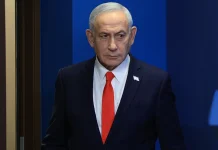
Following the election, Netanyahu addressed his supporters in Jerusalem and called for the formation of a strong right-wing government. He also stated that his party, Likud, would become the country’s largest political force.
Palestinian parties may influence the formation of the government
One of the main features elections There has been a rise in support for parties representing Israel’s Arab citizens.
According to preliminary estimates, they could win 16 seats in parliament. Early exit polls had even predicted they would win 18 seats, compared with 10 in the previous Knesset. Without the support of these opposition political forces, it may be difficult for Eisenkot to form a majority. Netanyahu himself has spoken out against forming a government that would depend on the support of Arab parties.
Record turnout and post-election uncertainty
77.7% of voters took part in the ballot - is the highest turnout in Israel for over two decades.
Opposition leader Gadi Eisenkot stated, after the polling stations had closed, that the public had voted for political change. He also called on Netanyahu to acknowledge his loss of public support.
The final allocation of seats will be determined once the vote count has been completed, including the ballots cast by military personnel and other voters who voted under a special procedure.
Once the results are finalised, the President of Israel, Isaac Herzog, is expected to task the politician most likely to secure the support of a parliamentary majority with forming a government. Coalition talks could last several weeks.