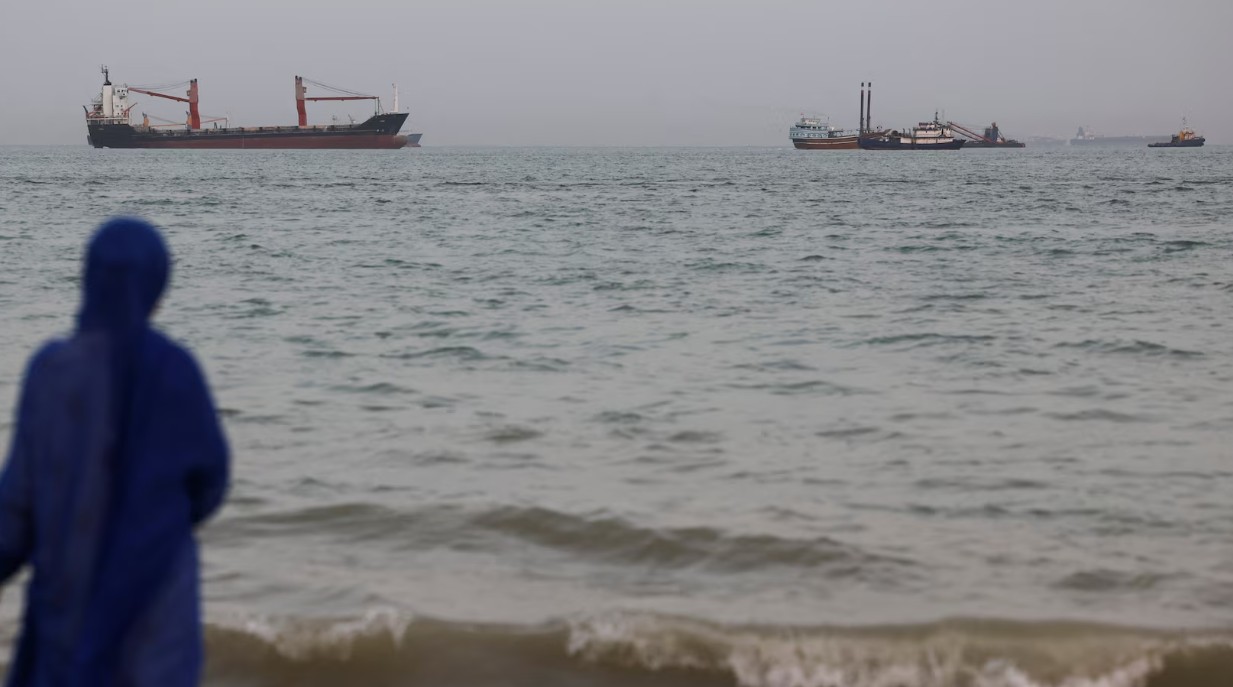
US President Donald Trump has announced an «almost agreed» memorandum of peace with Iran, which provides for the opening of the Strait of Hormuz. The Iranian side denied this information, emphasising its own terms in the negotiations.
Basic context
Donald Trump said that the memorandum of peace with Iran provides for the opening of the Strait of Hormuz, a key sea route for global energy resources. He noted that the final details of the agreement are still being discussed and will be announced in the near future.
Iranian news agency Fars denied Trump's claim, calling his statement «inaccurate» and emphasised that Iran will control the Strait. This indicates a difference of opinion on the terms of the future deal.
Negotiations and key terms of the deal
According to the American publication Axios, The agreement provides for a 60-day ceasefire and the cancellation of duties on the use of the Strait of Hormuz. At the same time, Iran will be able to sell oil freely, and the United States will lift some sanctions and the blockade of Iranian ports.
The draft agreement includes Iran's commitment not to develop nuclear weapons, to cease uranium enrichment and gradually remove the stockpile of highly enriched uranium. Details of the uranium transfer are to be discussed in the next rounds of negotiations.
Pakistan's role and regional implications
High-ranking Pakistani officials, including the chief of the army Asim Munir, The Pakistani army described the progress as «encouraging» and sources said it was comprehensive and aimed at ending the war. The Pakistani army described the progress as "encouraging", and sources said that the agreement was comprehensive and aimed at ending the war.
The talks are being held in three stages: the official end of the war, the resolution of the Strait of Hormuz crisis, and the launch of a 30-day session for broad agreements with the possibility of extension. If the US accepts the memorandum, further discussions could take place after the Eid celebrations.
Iranian position and further risks
Iranian Foreign Ministry spokesman Esmail Baghai said that although the conflict has subsided somewhat, key issues still need to be discussed through mediation. Iran's priority is to lift the blockade of ports and end threats new attacks by the United States, and stabilisation of the situation in Lebanon, where the conflict between Israel and pro-Iranian forces continues.
Iran's chief negotiator Mohammad Baqer Qalibaf said that the Iranian armed forces had strengthened their positions during the truce and warned of «harsher» consequences if the war resumed. Despite the ongoing clashes, Iran has retained stockpiles of enriched uranium and the combat capabilities of drones and proxy forces.
All of these factors determine the complexity of the upcoming negotiations and the potential impact on stability in the region and global energy markets.