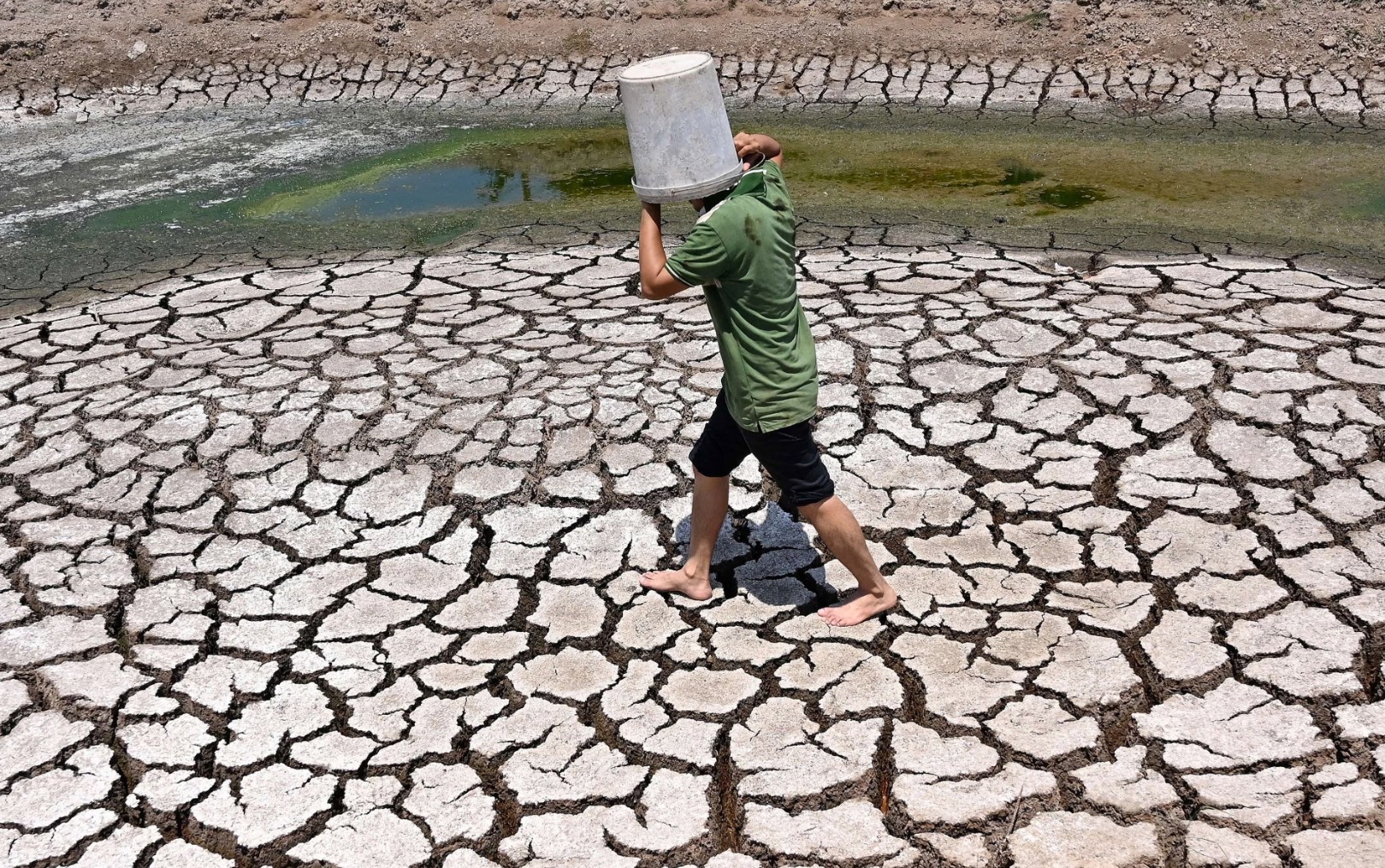
The United Nations World Meteorological Organisation warns that the record for the highest temperature is almost guaranteed to be set by 2030. Given the El Niño phenomenon expected this year, the new temperature record could fall as early as 2027. The steady rise in carbon emissions is exacerbating extreme weather events around the world.
Briefly about the main points
- There is an 86% chance of a record-breaking hot year between 2026 and 2030.
- The probability of exceeding the average temperature by 1.5°C is 75% in 2026-2030.
- Rising CO2 emissions continue to increase global temperatures.
- The 1.5°C target of the Paris Agreement is becoming unlikely, but 2°C is still possible to stop.
UN forecasts for temperature records by 2030
An assessment prepared by the World Meteorological Organisation (WMO), in conjunction with the British Met Office, predicts an 86% probability that at least one year between 2026 and 2030 will exceed the temperature of 2024, the current record-breaking year. There is also a 75% probability that the average temperature over the five-year period will be more than 1.5°C above pre-industrial levels.
The impact of El Niño on global warming
Phenomenon El Niño, expected later this year, could accelerate the setting of a new temperature record as early as 2027. This natural climate fluctuation is increasing the heating of the ocean surface, which is causing global average temperatures to rise and intensifying extreme weather events.
Carbon emissions and their impacts
Increasing concentrations of carbon dioxide in the atmosphere due to fossil fuels continue to strengthen the greenhouse effect, leading to more frequent and intense heat waves. This year's record-breaking heatwave in the UK and Europe is an example of this change. One person is already dying every minute from global warming, and this number could rise without rapidly reducing emissions.
The climate crisis as a security and economic challenge
Simon Stiell, head of the UN Climate Change Division, stressed that extreme heat is causing serious damage to human lives, businesses and economies. The solution to the problem depends on a rapid phase-out of fossil fuels and a transition to clean energy sources, which are currently cheaper and faster to develop.
Challenges to achieving the goals of the Paris Agreement
The Paris Agreement's goal of keeping the temperature rise below 1.5°C relative to pre-industrial levels is becoming less realistic as estimates show that this threshold will be exceeded in the coming years. However, the 2°C target remains achievable with urgent action.
Implications for the world and Ukraine
Exceeding 1.5°C will cause more widespread droughts, floods, storms and other extreme climate events, making it more difficult for communities to adapt and increasing risks to health and the economy. Ukraine, like many other countries, is already experiencing the effects of climate change, which requires an enhanced national and international response.