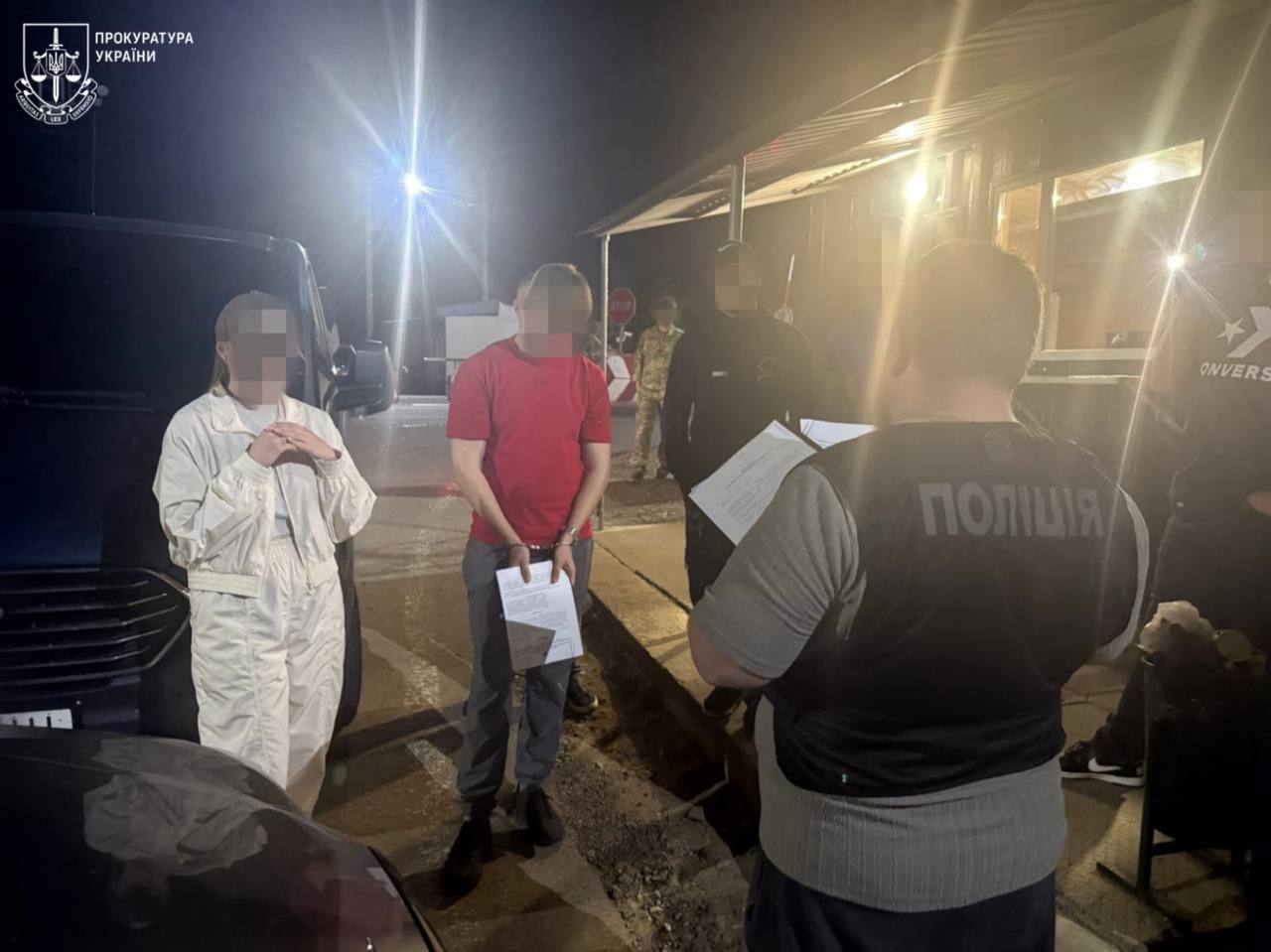
In Odesa, law enforcement officers uncovered a criminal organisation that defrauded Kazakh citizens using artificial intelligence technologies and call centres. Nine suspects are charged with fraud on a large scale and creating a criminal organisation. The investigation established the use of Deepfake and CRM systems to imitate bank employees and law enforcement officers.
Briefly about the main points
- Odesa exposes criminal organisation defrauding Kazakh citizens
- Nine people are suspected of creating a scheme with artificial intelligence and call centres
- Fraudsters used Deepfake and CRM to imitate bank employees and law enforcement officers
- Coordination was carried out through closed Telegram channels
The criminal scheme and its participants
Law enforcement officers in Odesa exposed an organised group consisting of two men aged 25 and 30 and their accomplices aged 17 to 24. A total of nine people were served suspicion notices of creating a criminal organisation and committing large-scale fraud. The participants acted systematically, using modern technologies to defraud.
Use of artificial intelligence technologies
To deceive the victims, the criminals used Deepfake, a technology that allows them to imitate the voices and images of representatives of banks and law enforcement agencies in Kazakhstan. They also used CRM systems and malware to control the fraud process and manage data.
Methods of fraud through call centres
The suspects called the victims posing as bank employees and law enforcement officers, convincing them to update their apps or secure their accounts. Having gained remote access to smartphones and online banking, they transferred money to controlled accounts and crypto wallets. This approach allowed them to commit large-scale financial crimes without physical contact.
Coordination through closed channels
All the group's actions were coordinated through closed Telegram channels, where participants distributed roles, exchanged data on victims and controlled the movement of funds. Such an organisation allowed the group to effectively manage the fraudulent scheme and hide the traces of the crimes.
Consequences and further steps of the investigation
At least six cases of fraud have been documented, which resulted in the loss of funds by Kazakh citizens. The total amount of losses and the number of victims are currently being clarified, and the search for other possible participants in the scheme is ongoing. In accordance with the Constitution of Ukraine, suspects are presumed innocent until proven guilty in court.