Lebanon has announced a partial ceasefire between Hezbollah and Israel, which provides for the cessation of attacks on Beirut and its suburbs. However, fighting in the south of the country continues, and Iran threatens to suspend negotiations with the United States due to the escalation of the conflict. The escalation of the situation has led to a rise in oil prices on the global market.
- Lebanon announces partial ceasefire between Hezbollah and Israel
- Ceasefire extends to Beirut and suburbs
- Fighting in southern Lebanon continues despite agreement
- Iran threatens to suspend talks with the US over the war in Lebanon
- Oil prices rise by 4% due to escalating tensions
Details of the partial ceasefire
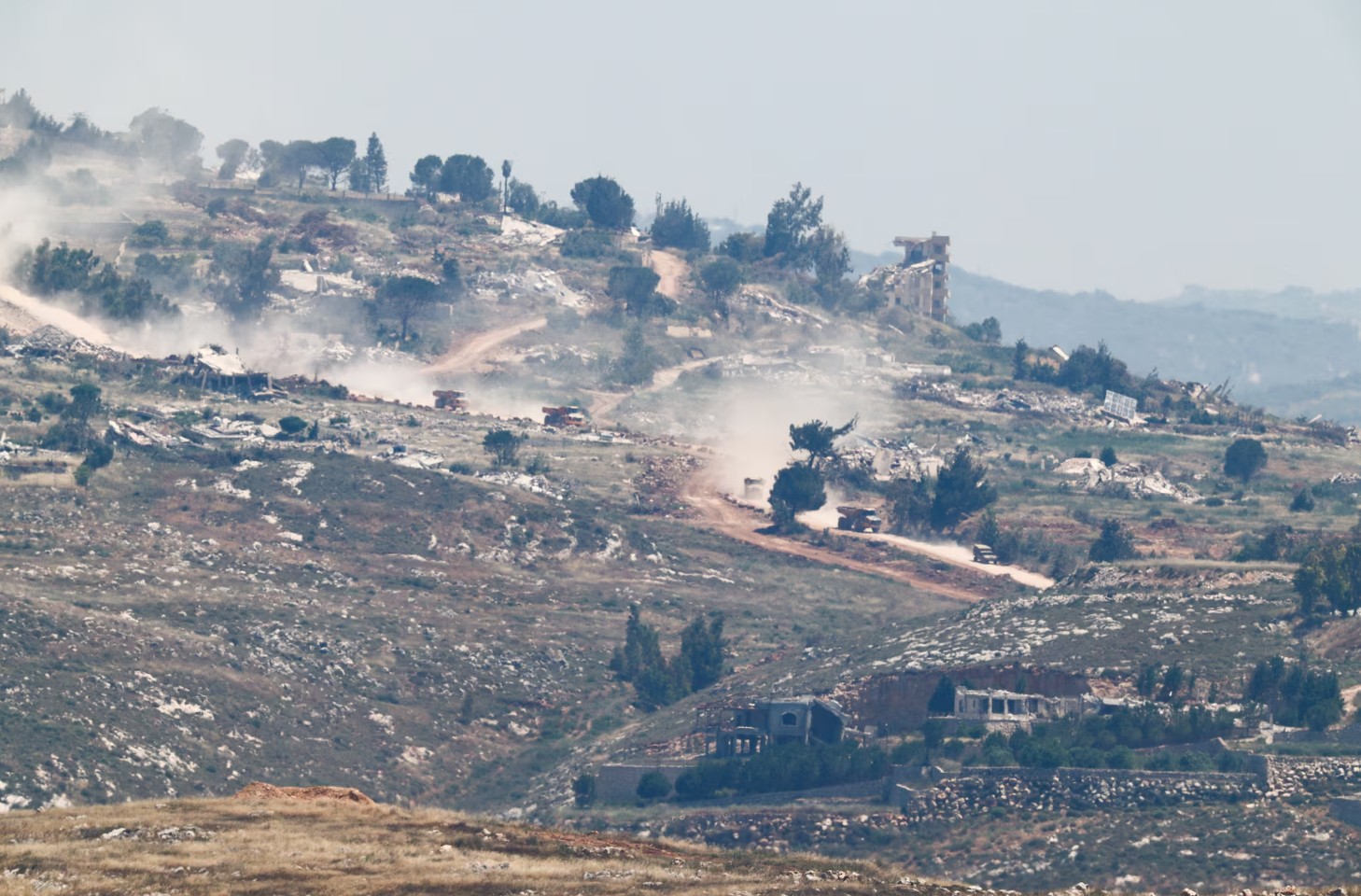
Lebanon has announced a partial ceasefire between Israel and the Shiite organisation Hezbollah. The agreement stipulates that Israel will refrain from striking Beirut and the suburbs controlled by Hezbollah, and that the organisation will stop attacking Israeli territory. However. hostilities in southern Lebanon did not stop - the Israeli army recorded two shells flying from Lebanon to northern Israel.
Reactions of the parties to the conflict
After the ceasefire was announced, Israeli Prime Minister Benjamin Netanyahu said that military operations in southern Lebanon will continue, including advances to the Zaharani River, the deepest incursion in 25 years. Hezbollah representative, MP Hassan Fadlallah, expressed support for a full ceasefire, but did not confirm that attacks on Israel would be completely halted.
Iran and negotiations with the United States
Iran announced the possibility of ending indirect negotiations with the United States, citing the escalation of the war in Lebanon. Iranian Foreign Minister Abbas Araqchi stressed that the ceasefire between Iran and the United States also covers the Lebanese front. At the same time, US President Donald Trump called the talks «boring» and said he did not care if they continued.
Impact on the region and the global market
Commander of the Iranian Revolutionary Guard Esmail Kaani, threatens to extend its blockade of sea routes from the Strait of Hormuz to the narrow Bab el-Mandeb Strait near the Red Sea. This is increasing tensions on key oil supply routes. Oil prices increased by 4% due to the escalation of the military conflict and threats from Iran that have a global economic impact.