Lithuania is officially considering the possibility of deploying US nuclear weapons on its territory. Defence Minister Robertas Kaunas confirmed active talks with Washington amid growing Russian aggression. Constitutional restrictions do not stop the country from preparing a record defence budget of 5.4% of GDP.
- Lithuania is considering the deployment of US nuclear weapons on its territory.
- Defence Minister Kaunas confirmed active negotiations with the US.
- Lithuania is planning a record defence budget of 5.4% of GDP in 2026.
- Neighbours record flights of Russian drones, and the Kremlin blames the Baltic states.
Lithuania's talks with the US on nuclear arsenal
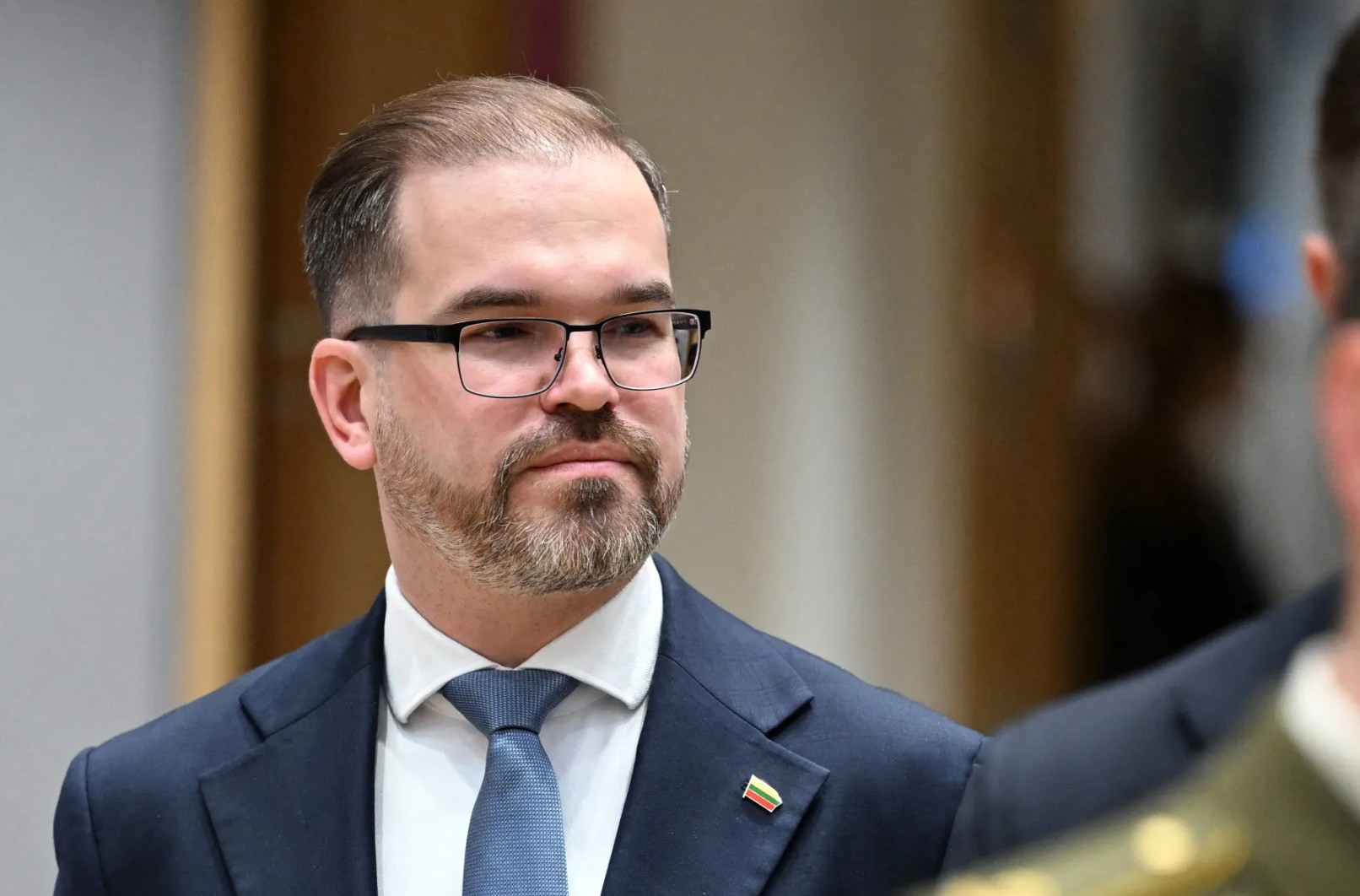
Lithuania is actively negotiating with the United States on the possibility of deploying US nuclear weapons on its territory. The country's Defence Minister Robertas Kaunas said that the discussions have reached a national level, although most details remain classified. Vilnius is seeking to strengthen its deterrence in the face of the deteriorating security situation in the east.
Legal challenges and security threats
The Lithuanian Constitution explicitly prohibits the deployment of weapons of mass destruction, which is a key obstacle to the deployment of nuclear weapons. However, the growing Threat from the Russian Federation is forcing the authorities to reconsider previous security dogmas. The Minister of Defence stressed that the process is ongoing and the country is not giving up on finding new defence mechanisms.
Defence budget and military tensions in the region
Lithuania plans to spend 5.4% of its GDP on defence in 2026, an absolute record among NATO countries. The budget increase reflects the seriousness of the challenges on the Alliance's eastern flank. Recently, the country has been recording Russian drones flying over its airspace, which confirms the tensions in the region.
Kremlin's reaction and NATO's position
Moscow accuses Baltic States of allegedly making it easier to strike, but NATO foreign ministers have dismissed these accusations as disinformation. The Alliance's support remains unchanged, and Lithuania's defence capacity-building initiatives are gaining additional ground.
Other countries in the region and nuclear policy
Lithuania is not the only Baltic state seeking to expand its nuclear deterrent. Poland has also approached Washington with initiatives under the Nuclear Sharing programme. This demonstrates a shared understanding of threats and a desire to strengthen collective security in the region.