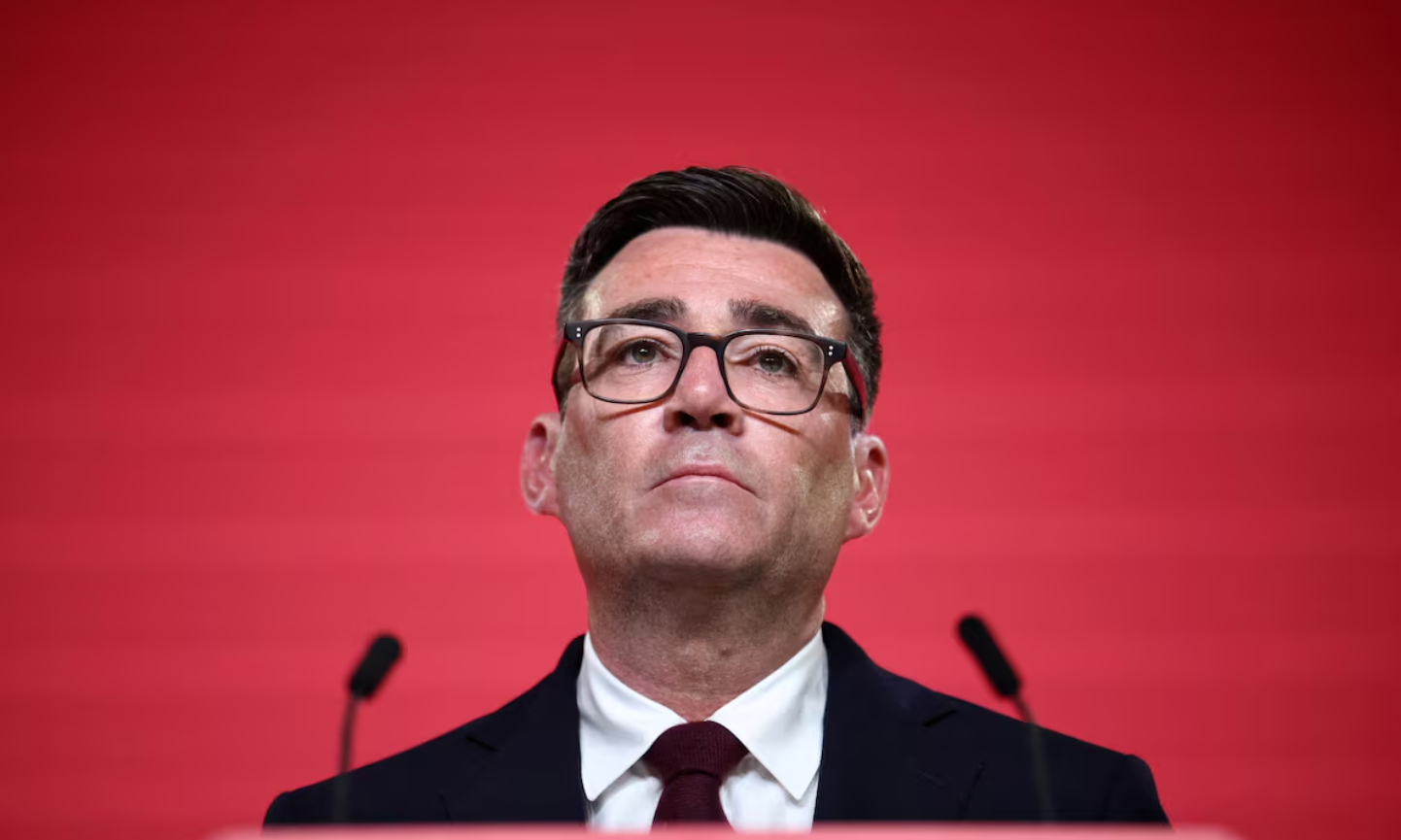
Andy Burnham is set to become Prime Minister of the United Kingdom on 20 July, following Keir Starmer’s formal resignation to King Charles III. The Labour Party leader has pledged to «reset» the country with a focus on the cost of living and the quality of public services. His first challenges will be forming a cabinet and deciding on economic policy.
Briefly about the main points
- Starmer is due to tender his resignation to King Charles III on 20 July.
- Following the audience, Bernam will be asked to form a new government.
- The new Labour leader has promised to focus on the cost of living.
- The composition of the cabinet, including the post of Minister of Finance, has not yet been announced.
- Thames Water could serve as an early test of tighter government oversight.
The appointment will take place without a general election
Andy Burnham He became leader of the Labour Party on 17 July. According to the party, he was backed by 379 Labour MPs in the House of Commons and 23 affiliated organisations.
The change of head of government is taking place without a general election, as Labour retains its parliamentary majority. Following the farewell speech Starmere Following his visit to the residence on Downing Street and his resignation, the King will receive Bernam and ask him to form a government. It is only after this audience that he will formally become Prime Minister.
Burnam will become the seventh head of the British government in a decade. He succeeds Starmer after two years in office — following a poor showing for Labour in the local elections in May and the party’s lag behind Nigel Farage’s Reform UK in the polls.
A promise of stability and a new economic direction
In his first speech, Burnham is set to set out a course towards «more stable and responsible policies», his office has said. He promises to speak more frankly about the country’s problems and links improvements in public services and welfare to political stability.
The new Labour leader has stated that he wants to raise living standards quickly, make life more affordable, and devolve more powers from Westminster and Whitehall to towns and regions. However, no specific budgetary details or legislative measures for this programme have yet been set out.
Bernam also advocates for greater public control over housing, water, energy and transport, seeing this as a means of influencing inflation and the cost of living.
The Cabinet and the Minister of Finance will be the first test of personnel appointments
The composition of the government had not been announced at the time of writing. On 17 July, Burnham said that he had not yet made any final decisions and was keen for the cabinet to represent all wings of the Labour Party.
The post of Minister of Finance is attracting the most attention. The media have named the Minister for Energy Security and Zero Emissions as one of the candidates Ed Miliband and the Minister for the Interior Shabanu Mahmoud; there is no official confirmation of the appointment.
The choice for this post may reveal how Bernam intends to balance a more active role for the state in the economy with market confidence in fiscal policy. On 15 July, Reuters reported that the pound had risen on expectations of a possible appointment of Mahmoud, whom the market viewed as a more fiscally prudent option.
Thames Water: a test of its promises regarding service monitoring
One of the very first practical challenges could be Thames Water — the country’s largest water company. It serves around 16 million customers in London and the south of England, has debts of approximately 20 billion pounds and, according to its chief executive speaking to Reuters, could run out of funds in November without new financing from creditors.
Deputy Leader of the Labour Party Lucy Powell She suggested that the company might be placed under «special arrangements», under which it would operate under state control. This is not a decision that has been taken. Burnham had previously described state ownership as an acceptable option for Thames Water.
It is precisely this case that could quickly transform a general promise to strengthen public oversight into a concrete decision with fiscal, legal and political implications. The company’s creditors have stated their willingness to discuss greater state oversight, but oppose full nationalisation.