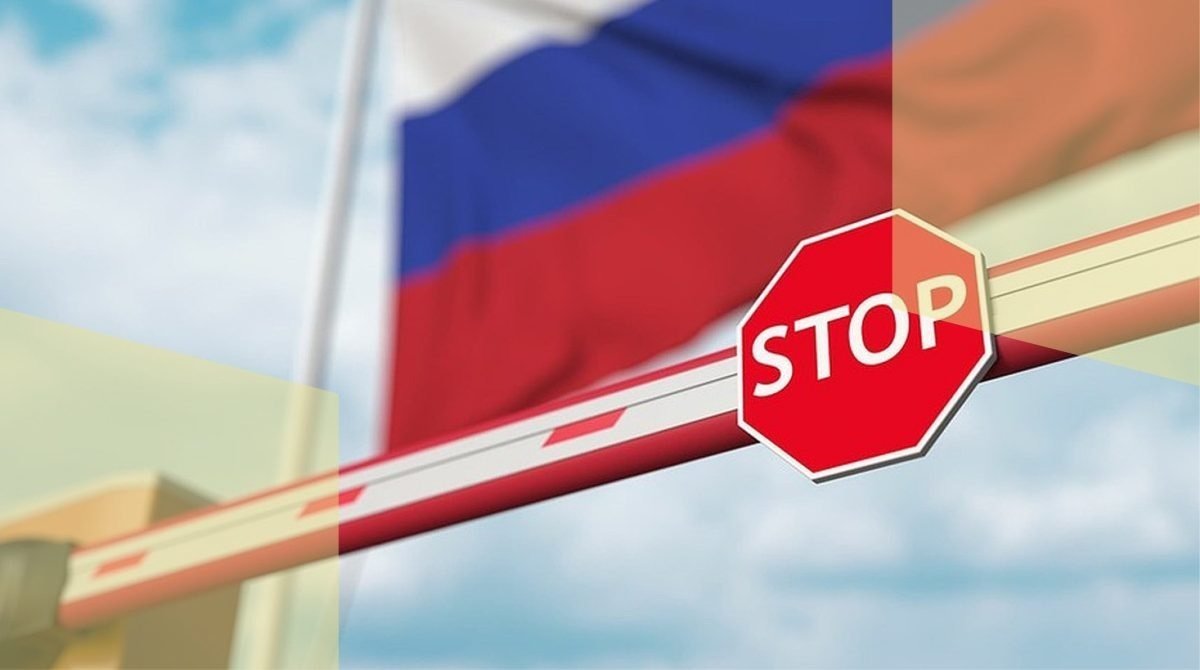
The European Union has approved the extension of sanctions against Russia for a further year due to its aggression in Ukraine. The decision was taken at a summit in Brussels on 18 June, despite initial reservations from Hungary and Slovakia. At the same time, the European Commission presented a new, 21st package of sanctions, which includes a number of high-ranking Russian officials.
- At the summit on 18 June, EU leaders extended sanctions against Russia by 12 months.
- Previously, Hungary and Slovakia had blocked the one-year extension of the sanctions.
- On 9 June, the European Commission presented a draft of the 21st package of sanctions against Russia.
- Hungary’s new government has backed the imposition of sanctions against Russian officials.
Decision to extend the sanctions for one year
Leaders of the European Union member states concluded their discussions at the summit in Brussels on 18 June and agreed to extend sanctions against Russia for 12 months. Spokesperson for the President of the European Council António Coşti confirmed that the sanctions are linked to Russia’s unprovoked aggression against Ukraine. Previously, some countries, notably Hungary and Slovakia, had advocated extending the sanctions for six months; however, the final decision was to extend them for a year.
A new package of sanctions from the European Commission
On 9 June, the European Commission presented Member States with a draft of the 21st package of sanctions against Russia. This package provides for an expansion of the sanctions list, including the addition of the Patriarch of Moscow Cyril, President of the International Chess Federation Arkadiya Dvorkovich and historian Vladimir Medinsky. The latter had previously been a member of the Russian negotiating team for talks with Ukraine.
Hungary’s position and changes in leadership
Previous the Hungarian Government had blocked the imposition of sanctions against the individuals in question, but the country’s new leadership changed its stance and supported the sanctions. This helped to achieve a consensus amongst EU countries on updating the sanctions policy. The European Union notes that increasing sanctions pressure remains a key tool in deterring Russian aggression.
Significance for European security and politics
The decision to extend the sanctions and update the package reflects the EU’s unity in response to the ongoing war in Ukraine. The sanctions are intended to weaken Russia’s economic and political capabilities, as well as to emphasise that violations of international law are unacceptable. At the same time, the shift in the positions of individual countries demonstrates the dynamics of the EU’s internal policy in the context of security challenges.