The fuel crisis in Russia is worsening due to systematic strikes by the Ukrainian Defence Forces on oil refining infrastructure. Restrictions on petrol sales have been introduced in many regions of the country, and queues are forming at petrol stations. The Russian authorities have been forced to relax environmental standards for fuel and are considering importing petrol to overcome the shortage.
- Restrictions on the sale of petrol have been introduced in more than 50 regions of Russia.
- Ukrainian strikes have put more than 30% of Russian oil refining capacity out of action.
- The Russian authorities have lowered fuel quality standards due to a shortage.
- Russia is preparing to import petrol from Asian markets.
- The fuel shortage has led to long queues at petrol stations, particularly in Crimea.
Restrictions on petrol sales in Russian regions
More than fifty regions in Russia have introduced sales limits petrol and diesel. Long queues are forming at many petrol stations, indicating an acute shortage. The situation is most severe in occupied Crimea, where the fuel shortage has led to supply disruptions and significant queues at petrol stations.
The impact of Ukrainian strikes on Russian oil refining
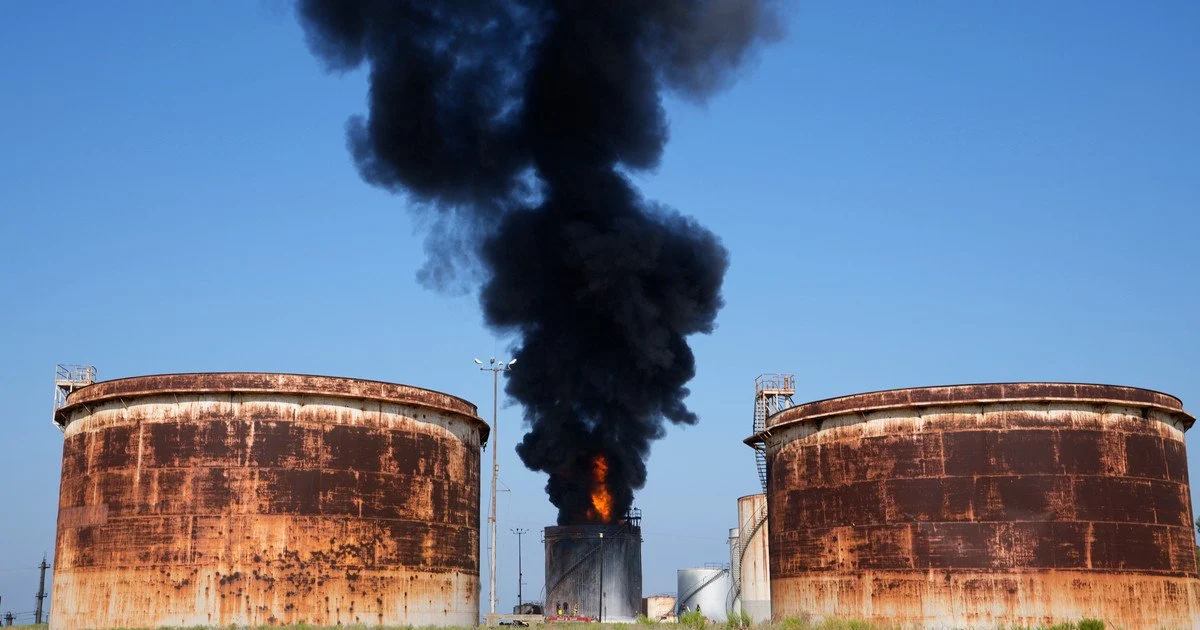
According to General Staff of the Armed Forces of Ukraine, Ukrainian forces struck 16 major oil refineries and terminals, putting more than 30% of Russia’s oil refining capacity out of action. Particular attention was drawn to Moscow Oil Refinery in Kapotna, which has come under attack twice in the past week, resulting in damage to key production facilities and large-scale fires.
The deterioration in fuel quality as a response from the Kremlin
The Russian government has extended relaxed environmental standards, by permitting the production of fuel with higher sulphur and other impurity content. This effectively means a reduction in the quality of petrol supplied to the domestic market. Such measures are aimed at preventing shortages, but may worsen the environmental situation and affect the condition of motor vehicles.
Preparations for importing petrol from Asia
The Russian government plans to start importing petrol by sea from Asian markets. Previously, this seemed unlikely for one of the world’s largest oil-producing nations. This move is a necessary measure against the backdrop of falling domestic production and a worsening fuel shortage.
The fuel crisis is creating additional social pressure in Russia, complicating military logistics and exacerbating economic problems. Rising prices and queues at petrol stations highlight the vulnerability of the country’s fuel and energy sector to Ukrainian strikes, which could have long-term consequences for the regime’s stability.