What is EagleEye and how it differs
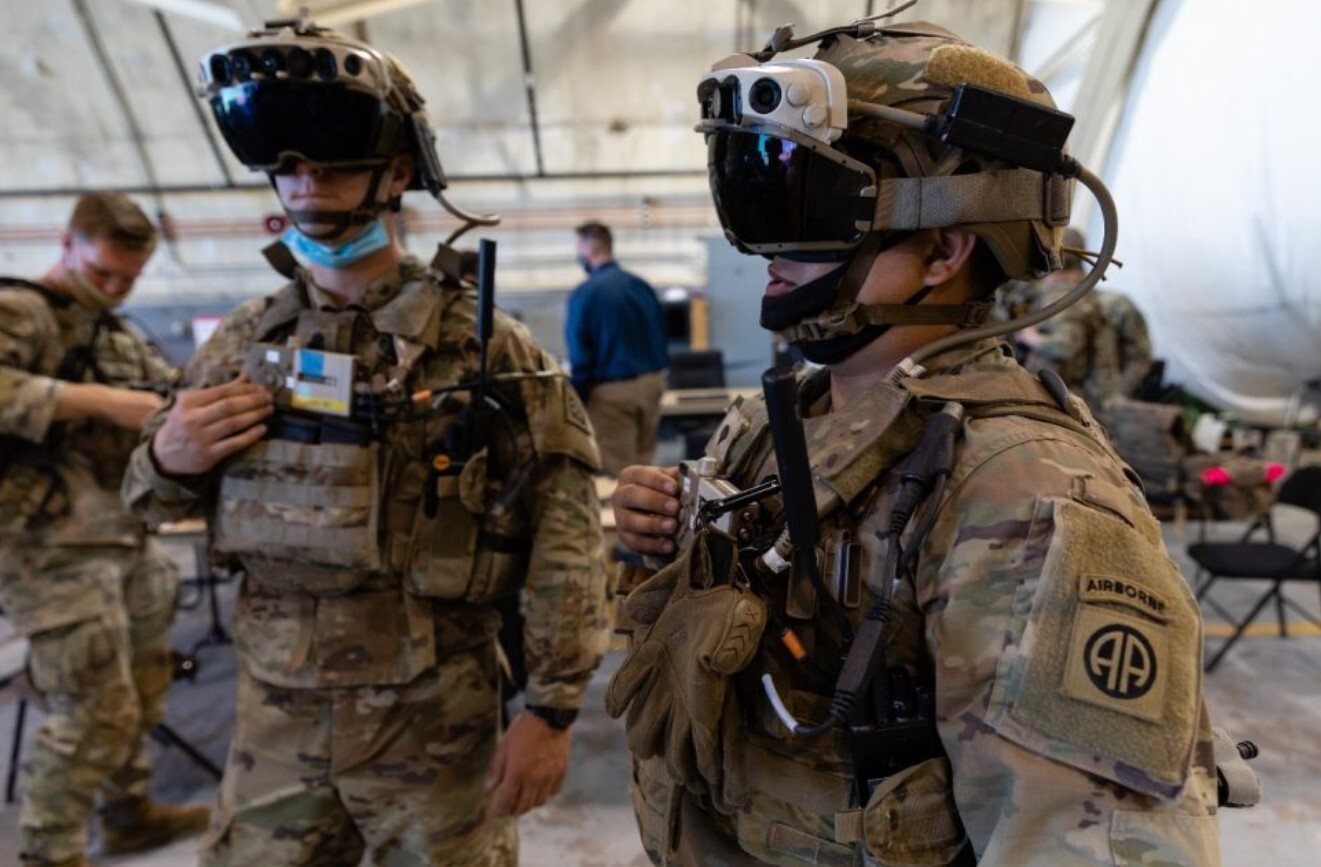
EagleEye - is a wearable tactical system that integrates a mixed reality (AR) display, a set of sensors, radio communications and an artificial intelligence module directly into a helmet or a pair of goggles. The idea is simple: to move part of the command space to the level of the individual soldier, bringing the terrain map, friend/enemy markings, live video streams from UAVs, and other critical data into his field of vision.
Unlike classical surveillance devices, EagleEye is aimed not only at passively viewing information, but also at an interactive dashboard: the user can simultaneously see the position of units, receive alarms and tips from the built-in AI, which analyses video streams and sensor data at the edge of the network (edge computing).
Practical advantages on the battlefield
Faster decision-making
Having a map and video stream directly in view reduces the time spent on communication and information search - the commander or private is not distracted by a tablet or control room.
Increased situational awareness
Synchronising data from different sensors (UAVs, reconnaissance nodes, satellite data) allows you to see the bigger picture and coordinate movements more accurately.
Less risk to personnel
Automated prompts and the ability to remotely control video streams make it possible to perform some reconnaissance tasks without additional open-air visits.
Technical and operational challenges
Cybersecurity and data integrity
Connected helmets are an attractive target for cyberattacks. Data tampering or communication delays can lead to fatal decisions on the battlefield.
Excessive load on the user
The constant flow of information in the field of view can create a cognitive load: it is important to find a balance between useful cues and information noise.
Correctness of AI marks
Automatic target marking requires high accuracy. Mistakes in identification can have serious humanitarian and legal consequences.
Energy and reliability
Supporting display, sensors and processing on board requires powerful and lightweight power sources; battery life and temperature endurance remain a concern.
Impact on tactics and training
EagleEye and similar systems are changing approaches to tactical command: in the near future, it may not be so much individual skill in using optics that is decisive, but rather the ability to work with the digital information space. This puts new demands on training: training in the interpretation of AR interfaces, practicing standard procedures in the event of a loss of communication, and cyber hygiene training are all needed.
Ethical and legal aspects
The widespread introduction of smart helmets raises regulatory issues: who is responsible in case of a false hit based on AI suggestions; how to guarantee transparency of algorithms; what restrictions should be imposed on the use of automatic target recognition. Civil society and international organisations insist on clear rules for the use of such systems and strict testing.
Bottom line: a technology with great potential - and no less serious risks
EagleEye demonstrates the next step in the development of wearable combat systems: the combination of AR, sensors and AI can significantly increase the effectiveness of units, but at the same time requires careful consideration of safety, reliability and accountability. The ultimate value of this platform will depend not only on technical sophistication, but also on how well the community and military institutions define the scope of its use.