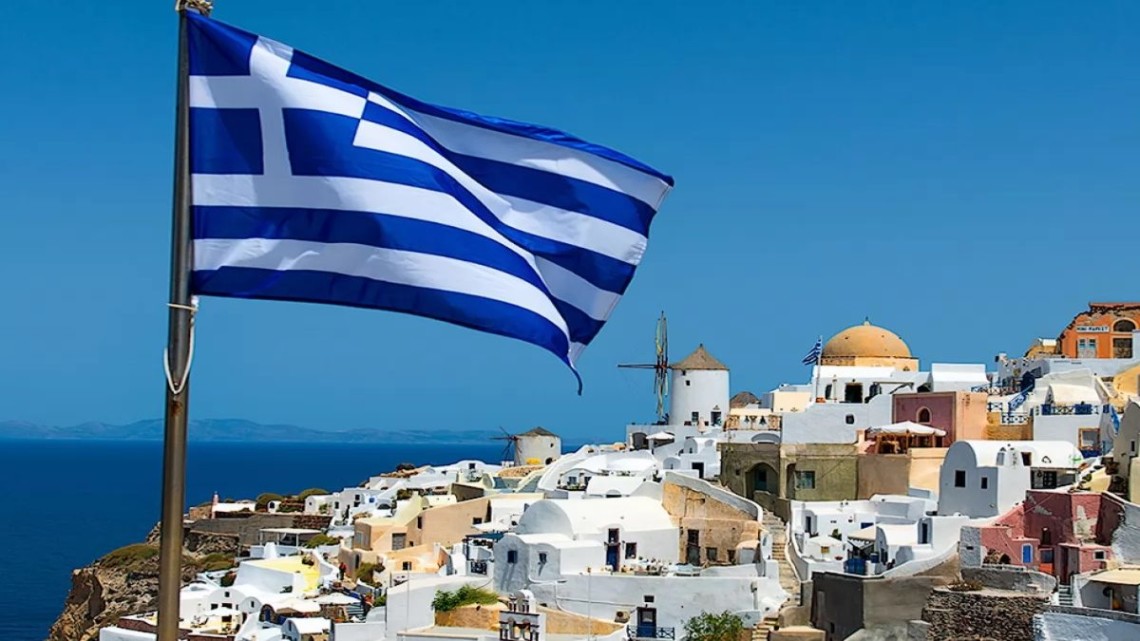
Despite its positive economic indicators, Greece is facing serious problems with the cost of living. Many families, even those with relatively high incomes, cannot afford traditional summer holidays.
- Greeks spend 35.5% of their income on housing, which is higher than the European average.
- Greece’s economic growth is not reflected in the well-being of its population.
- Inflation in Greece is among the highest in the eurozone, and wages are not keeping pace with prices.
- The government has launched a new app for comparing food prices.
- Although tourism generates revenue, it drives up the cost of accommodation and services.
The cost of living in Greece: the paradox of economic growth
Greece, having weathered a decade-long economic crisis, is finally showing signs of recovery. However, behind the statistics lies a deeper problem — the rising cost of living, which is preventing many Greeks from enjoying their holidays. A 35-year-old Vera Kalogea, a teacher from Athens, notes:
“The situation is worse than in previous years. We have significantly cut back on spending on everything that isn’t essential.”.
Although Greece’s economy is growing faster than that of many European countries, real household incomes remain low. The average annual salary is around €18,000, which is less than half the average wage in the European Union. Inflation in the country is among the highest in the eurozone, and prices for basic foodstuffs and energy continue to rise.
The housing problem is also becoming an increasingly pressing issue. Greeks spend an average of 35.5% of their income on housing, and in some cases this figure exceeds 40%. “We had great difficulty finding a decent home for less than €1,000,” says Kalogea. This is a cost that is unaffordable for many families.
The government led by the Prime Minister Kyriakos Mitsotakis is attempting to tackle these issues by introducing tax breaks and new price control schemes. An app was recently launched “How much does it cost?”, which allows consumers to compare prices on over 8,700 products. However, only 7% of those surveyed believe that their financial situation has improved over the past year.
The economic growth demonstrated by Greece, does not bring any tangible benefits to the majority of the population. The Prime Minister Mitsotakis emphasises:
“Improvements in macroeconomic indicators must translate into tangible benefits for everyone.”.
But for now, these are just words, and the reality remains difficult.