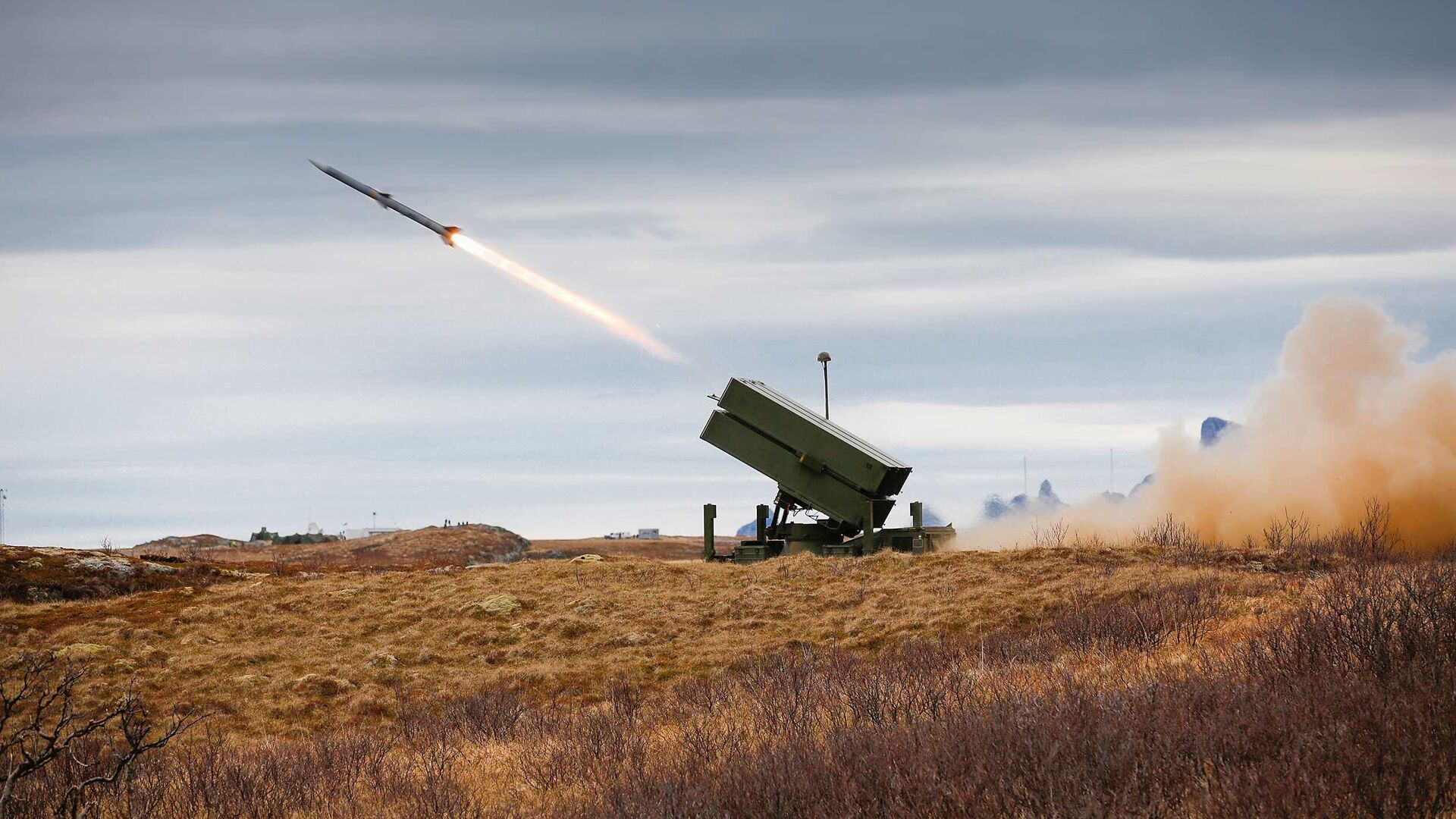
Some Western allies are reluctant to temporarily transfer interceptor missiles from their national stockpiles to Ukraine, fearing that this would weaken their own air defences. The White House had proposed replacing the transferred missiles once new contracts were fulfilled; however, the countries’ decision is holding back the urgent strengthening of Ukraine’s air defence.
Briefly about the main points
- The White House has asked its allies to supply Ukraine with missiles from their stockpiles.
- Some of the partners are concerned about a reduction in their own defence stocks.
- Ukraine has received three times fewer air defence missiles than last year.
- PAC-3 systems remain critically important for defence against ballistic missiles.
- The new production processes will not yield results for at least a year.
The proposal to transfer the missiles from the depots did not receive full support
Washington has called on its partners to temporarily release some of the interceptors from their own arsenals. It was envisaged that these stocks would be replenished once new contracts for the production of missiles had been fulfilled.
The publication does not name the countries that have refused to take this step. Their governments believe that reducing national stockpiles could limit their ability to defend their own territory.
NATO’s stockpiles and production are not keeping pace with demand
NATO Secretary General Mark Rütte earlier stated, …that supplies to Ukraine are continuing, but the number of missiles available in Alliance countries is limited. According to him, the allies need to step up production.
According to NATO estimates, through the PURL mechanism, Ukraine received around 75% missiles for Patriot batteries and approximately 90% rounds of ammunition for other Western air defence systems. The programme enables partners to finance the procurement of US weaponry, but does not remove the constraints imposed by existing stockpiles and production lines.
Demand for interceptors has risen simultaneously due to the needs of Ukraine, the US military and US allies in other regions. This is intensifying competition for missiles and production capacity.
The reduction in supplies is exacerbating the shortage of anti-ballistic missile systems
Volodymyr Zelenskyy stated that, since the start of 2026, Ukraine had received only a third of the total air defence missiles, delivered throughout 2025. The President attributed the shortfall primarily to the war in the Middle East, whilst not ruling out political reasons for the delays.
In July, Russia attacked Kyiv on average once every three days. During a massive strike on 5 August Ukrainian air defence forces failed to intercept any of the 24 ballistic missiles and four «Zircon/Onyx»-type missiles.
Ukraine is in particularly urgent need of PAC-3 missiles for its Patriot systems. These are one of the few means available to the Ukrainian air defence forces for intercepting Russian ballistic missiles.
Production plans are no substitute for urgent decisions on stock levels
The US is discussing the possibility of involving Ukraine in the manufacture of some of the components for Patriot missiles, with final assembly to take place in Germany. Participation in the development of a cheaper version of the PAC-3 is also being considered.
Even if a political decision is reached quickly, the first missiles under the new scheme are unlikely to be delivered for at least a year. According to Reuters, it will take between three and seven years to get fully-fledged licensed production lines up and running.
Kyiv is therefore asking its partners not to wait for production to be ramped up, but to transfer some of the interceptors they already have now. Following talks with Zelenskyy, Rutte stated that he was discussing with allies the possibilities for urgently strengthening Ukraine’s air defences.