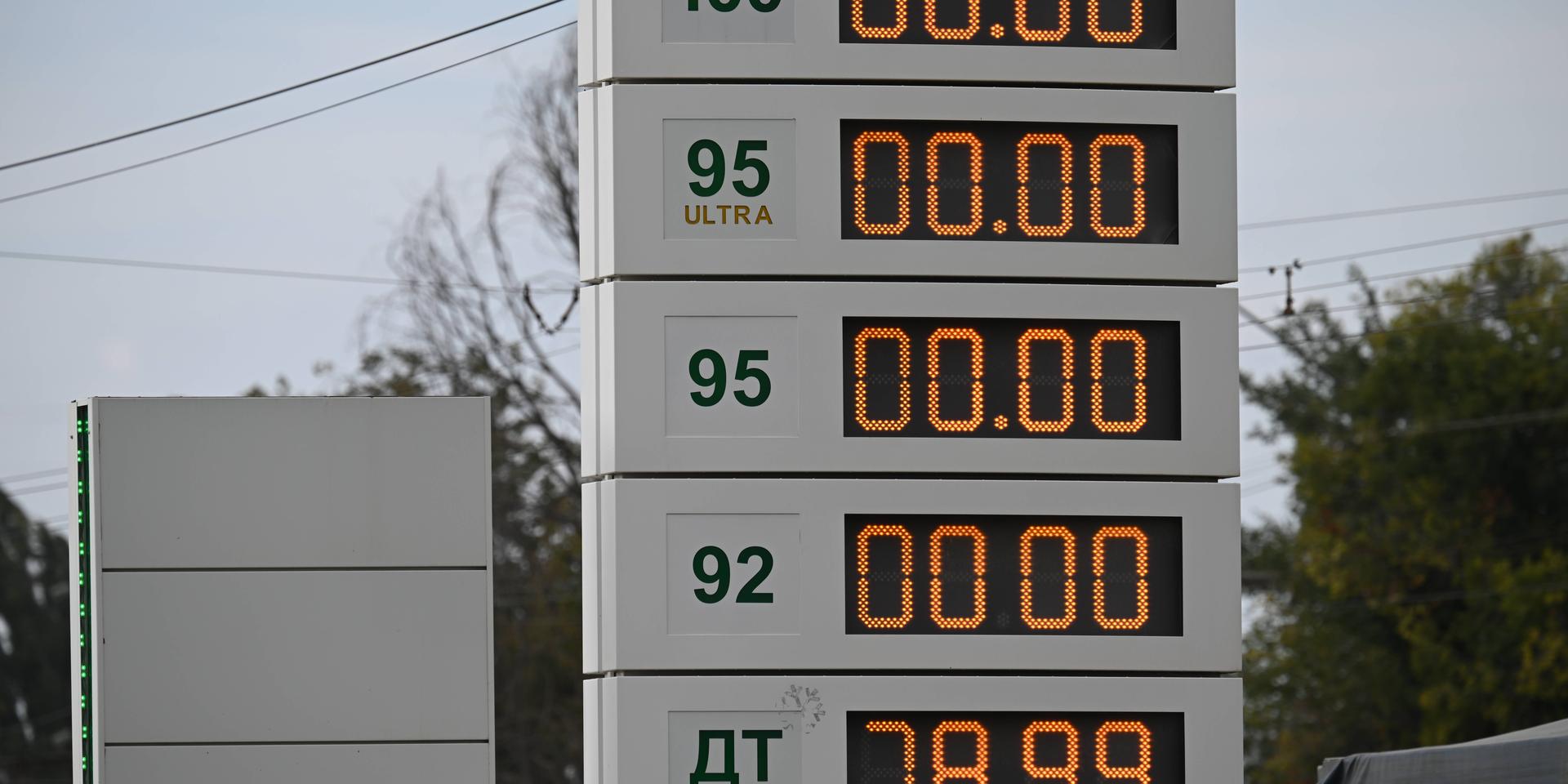
The fuel crisis in Russia is worsening, with residents of Moscow and other regions unable to find petrol at petrol stations. The shortage has even spread to the Kaliningrad region, which was previously considered to have a secure fuel supply.
- Moscow residents are unable to find petrol at petrol stations.
- The fuel shortage has spread to the Kaliningrad region.
- Long queues are forming at petrol stations.
- Restrictions have been introduced on the sale of fuel to a single purchaser.
Muscovites are complaining about empty petrol stations
Videos and posts from residents of the Russian capital who are unable to buy fuel are appearing with increasing frequency on social media and local Telegram channels. “There’s no petrol anywhere, not even diesel – can you believe it!” says one driver, who claims to have driven round five petrol stations without success.
According to eyewitnesses, some petrol stations have run out of both petrol and diesel, whilst at those stations where fuel is still available, long queues are forming rapidly.
The shortage has even reached Kaliningrad
The situation is also difficult in the Kaliningrad Oblast — a Russian exclave separated from the rest of the country. Local residents are also reporting fuel shortage and queues lasting several hours at petrol stations. According to eyewitnesses, the situation is almost identical to that in other regions of Russia.
The fuel crisis is spreading
In recent weeks, reports of petrol supply disruptions have been coming in from various parts of Russia. In a number of regions, restrictions have been imposed on the sale of fuel to individual customers, whilst some petrol stations have temporarily stopped selling certain types of petrol due to a lack of stock. Experts attribute the situation to a combination of several factors, including rising domestic demand, logistical problems, and the consequences of attacks on certain fuel infrastructure facilities.