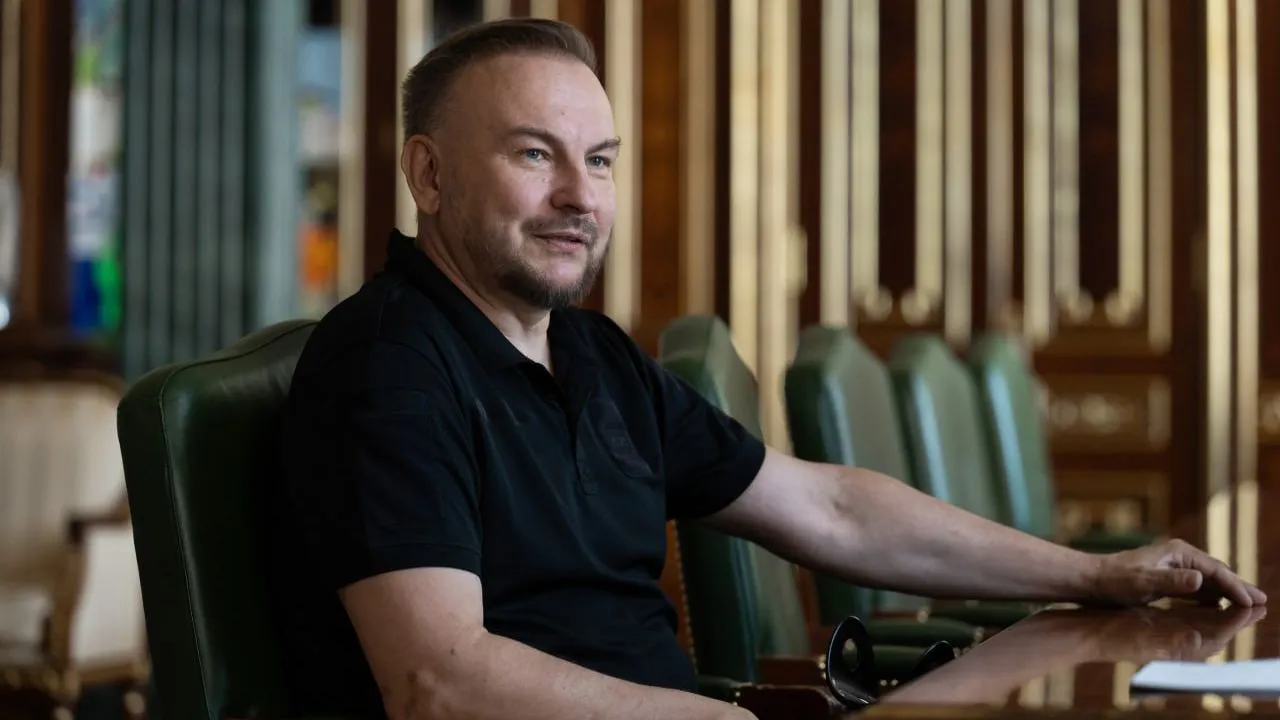
Serhiy Beskrestnov, the President’s adviser on the development of defence technology, has advised Ukrainians via «Flash» to purchase power banks, batteries, inverters and other backup power equipment in good time. He estimates that, in the event of further large-scale Russian attacks on the energy sector and a sharp rise in demand this autumn or winter, the prices of certain goods could rise two or threefold.
Briefly about the main points
- In the summer, demand for backup power is lower, whilst stock levels are higher.
- An estimate of a possible price increase does not constitute an official forecast or guarantee.
- Flash believes that the PAC-3 will not completely neutralise the ballistic threat.
- ACLED has recorded at least 246 Russian attacks on Ukrainian petrol stations.
- For the generator, the expert recommends an initial fuel reserve of at least 10 litres.
The summer period allows us to prepare without any shortages
According to Sergey Beskrestnov, in summer there are sufficient stocks of batteries and inverters, and demand for them is lower than during periods of prolonged power cuts. He also includes charging stations and other backup power sources in the basic self-sufficiency kit.
The expert suggests that, following further attacks on the power grid this autumn or winter, retailers may soon face shortages of certain models. The final price will be influenced by the scale of the attacks, import volumes, the exchange rate, retailers’ stock levels and actual demand.
The forecast of a rise in prices is Beskrestnov’s assessment based on peak demand, rather than an official government forecast or a guaranteed scenario.
A backup power supply is no substitute for missile defence
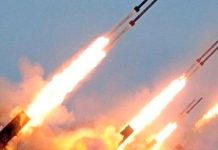
Beskrestnov believes that even additional PAC-3 missiles for the systems Patriot will not be sufficient to completely neutralise the threat of large-scale Russian ballistic missile attacks. He called on partners to supply Ukraine with interceptors directly from their own arsenals.
Previously, the expert had estimated Russia’s monthly production at up to 70 Iskander missiles, around 50 missiles for the S-400 system, and between four and seven Zircon missiles. He estimated PAC-3 production at approximately 50–60 units per month, Russian stocks of «Iskander» missiles at 200–300, and global stocks of PAC-3 at 4,000–5,000.
According to Flash, preparing for possible power cuts is an additional element of the population’s resilience, rather than an alternative to air defence. A comprehensive guide to preparing for a harsh winter in Ukraine.
Attacks on petrol stations have not yet disrupted fuel supplies
Flash reported that Russian troops had attacked approximately 200–250 petrol stations. ACLED data, as reported by the media, records at least 246 attacks on Ukrainian petrol stations since the beginning of April; 194 of these took place between the beginning of June and 27 July.
These figures reflect the number of strikes recorded, rather than the number of petrol stations completely destroyed. Most of the attacks took place in areas close to the front line, although some were also recorded further away from the front line.
Despite this campaign, there has been no widespread disruption to fuel supplies across Ukraine. Beskrestnov noted that petrol and diesel can be sourced from abroad, and that the fuel industry is able to adapt its logistics, in particular by using mobile refuelling stations.
It is recommended that you keep a minimum supply of fuel for the generator
Beskrestnov advises households and businesses that use generators to keep an initial supply of at least 10 litres of fuel. This is not a call for people to rush out and buy petrol or diesel en masse.
Large household stocks of fuel increase the risk of fire. Fuel should only be stored in containers designed for that purpose and in accordance with safety regulations.
Flash identifies electricity supply and heating as the greatest risks for the coming winter. In his view, Ukraine still has time to increase the number of backup power sources and alternative heating facilities.