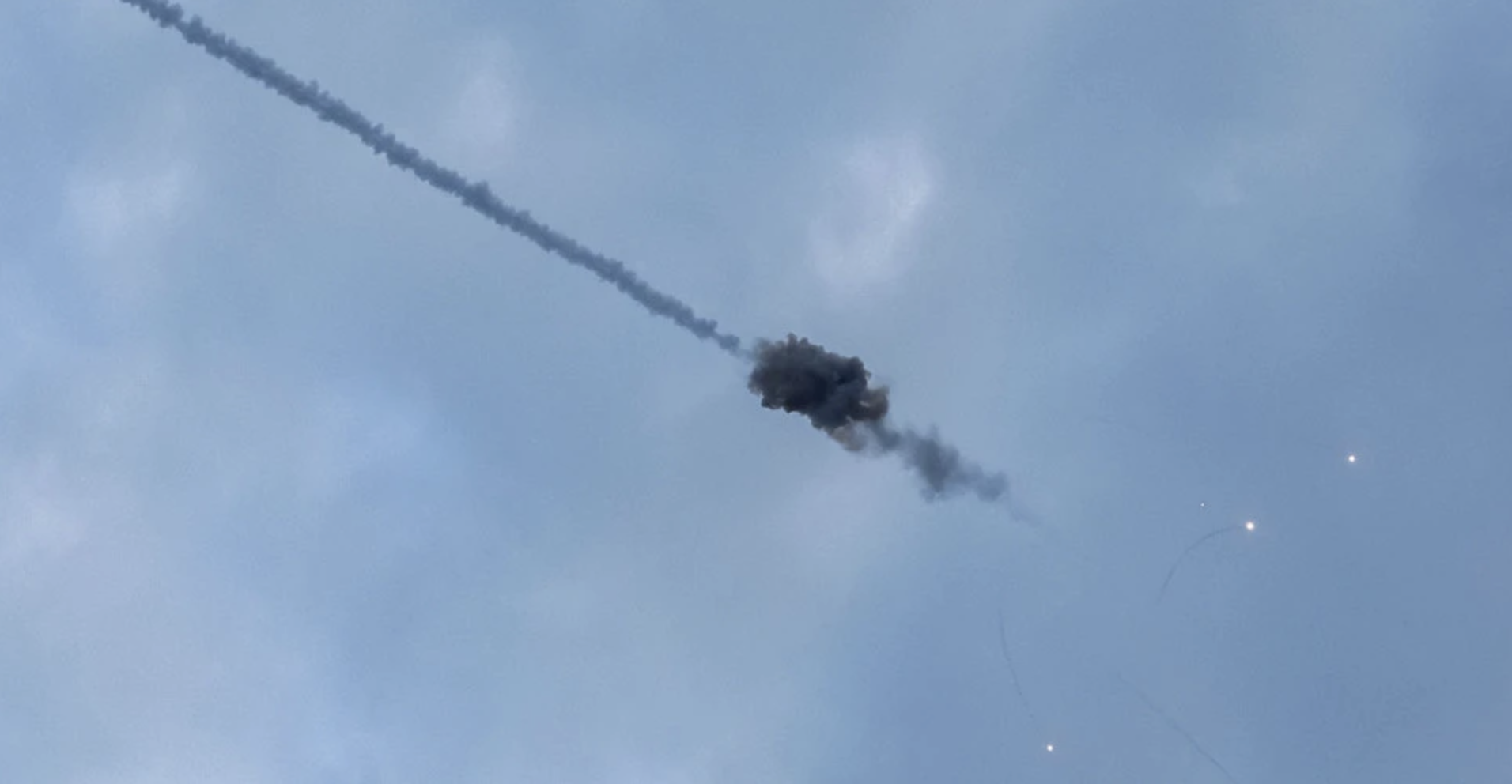
According to Forbes, the effectiveness of Ukraine’s air defence system in intercepting ballistic missiles has fallen to zero. This is due to a critical shortage of Patriot missiles, which are the only means of countering such threats.
- The effectiveness of ballistic missile interception in Ukraine has fallen to 0%.
- The critical shortage of Patriot missiles was the main cause of the crisis.
- Russian ballistic missiles remain the main threat to Ukraine.
- Protection against ballistic threats depends on urgent supplies from allies.
- Lockheed Martin’s missile production does not meet Ukraine’s needs.
Ballistic threats: why has Ukraine been left defenceless?
Western analysts are noting a catastrophic decline in the Ukrainian air defence’s success rate in intercepting Russian ballistic missiles. Whilst the interception rate stood at 40% at the start of the year, by the summer it had fallen to near zero. Whilst Ukrainian air forces and mobile fire groups are demonstrating exceptional effectiveness against kamikaze drones and cruise missiles, defence against ballistic threats has found itself in its deepest crisis since the start of the full-scale invasion.
The decline in the effectiveness of Ukraine’s anti-ballistic defence is looking alarming. At the start of the year, the figure stood at almost 40%; by spring it had fallen to 20%, and by mid-summer effectiveness had dropped to 0%. The main reason for this is physical the absence of anti-missile systems for Patriot systems, in particular the PAC-3 variant, which are capable of effectively engaging ballistic targets.
Forbes experts identify several key factors behind the crisis. Firstly, a critical depletion of stocks. The Russian Federation’s intense combined attacks have forced Ukraine to use up almost its entire stock of interceptors PAC-3. During the most recent large-scale strikes, ballistic missiles were not intercepted at all due to a simple lack of ammunition.
Secondly, there is a global shortage of missiles. The manufacturer, Lockheed Martin, is unable to keep up with global demand. Even the company’s total annual production volume covers less than a third of Ukraine’s actual needs.
Thirdly, the tactic of wearing down the enemy. The Russian army has significantly increased the number of ballistic missile launches, realising that Western supplies of interceptor missiles are failing to keep pace with the rate at which they are being used.
Implications for Ukraine and its defence
Analysts emphasise: ballistic missiles remain Russia’s main advantage. They fly along extremely complex trajectories at tremendous speeds, and it is impossible to counter them without Patriot or SAMP/T systems. The situation depends on emergency logistics from NATO allies through priority supply mechanisms. Without the urgent dispatch of ready-to-use missiles from American or European depots, Ukrainian cities will remain vulnerable to ballistic terror.