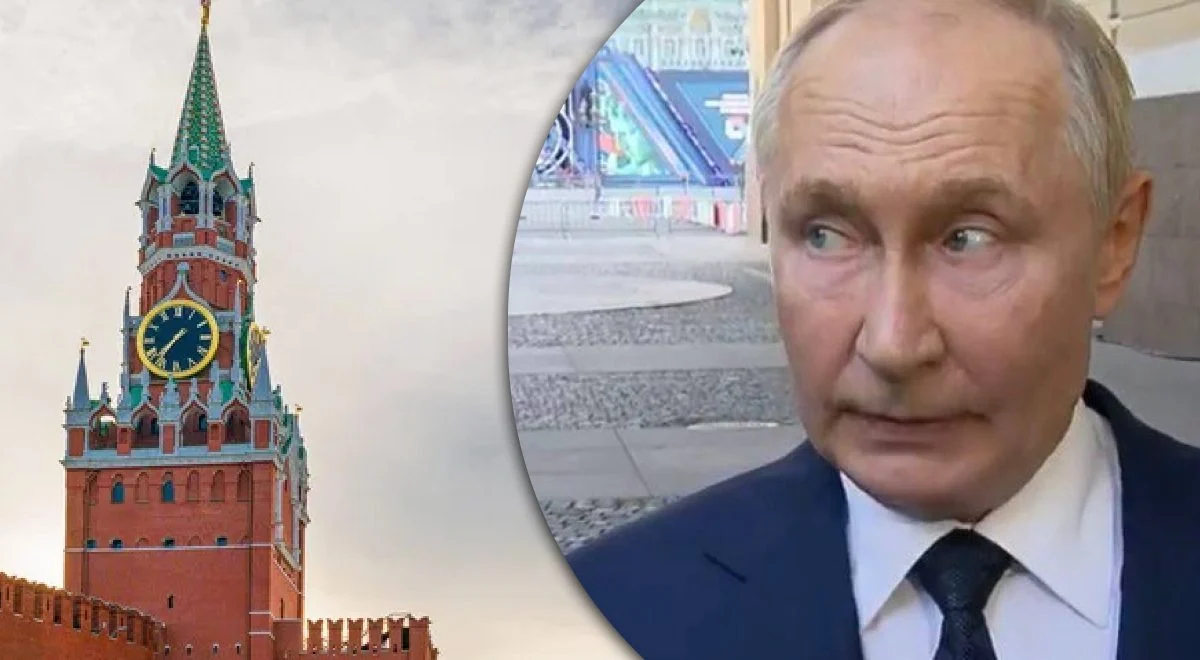
The Kremlin has recently attempted to explore ways of bringing the war in Ukraine to a halt through secret diplomatic channels; however, following the West’s refusal, Moscow quickly reverted to a policy of escalation.
Briefly about the main points
- Russia had proposed to the US, through secret channels, that the war be frozen along the current front line.
- Moscow has expressed its willingness to discuss the status of the occupied Donbas.
- Following the West’s refusal to engage in backroom negotiations, Russia has reverted to public threats.
- Lavrov’s sudden change in rhetoric is an attempt to conceal the failed attempt to reach an agreement.
The Kremlin’s behind-the-scenes manoeuvring
Recently, the Russian leadership has stepped up its efforts through so-called «back channels» of diplomacy. These are private channels of communication that allow the parties to discuss compromises whilst avoiding reputational damage. It is through these mechanisms that Moscow has been sending signals of its readiness to ceasefire, in an attempt to establish the current positions of the troops as the basis for a long-term ceasefire.
Unexpected flexibility regarding «sacred» territories
The most notable aspect of these signals was the willingness to discuss the future of the occupied territories in the Donbas. For Putin and his inner circle, these regions have long been regarded as an integral part of the Russian political narrative; therefore, the willingness to discuss their status indicates attempts by the Kremlin to find a way out of a conflict that is becoming increasingly gruelling for the Russian economy and the army.
From proposals to public threats
When behind-the-scenes negotiations failed to yield the desired results and the West refused to make concessions, Moscow changed its tactics. A telling example of this was the statement by the Russian Foreign Minister Sergey Lavrov, who categorically rejected the idea of halting the war along the line of contact. Such a public about-turn is typical of Russian foreign policy: it is intended to conceal the fact of unsuccessful secret attempts at compromise, whilst demonstrating to domestic and international audiences the supposed consistency of its aggressive course.