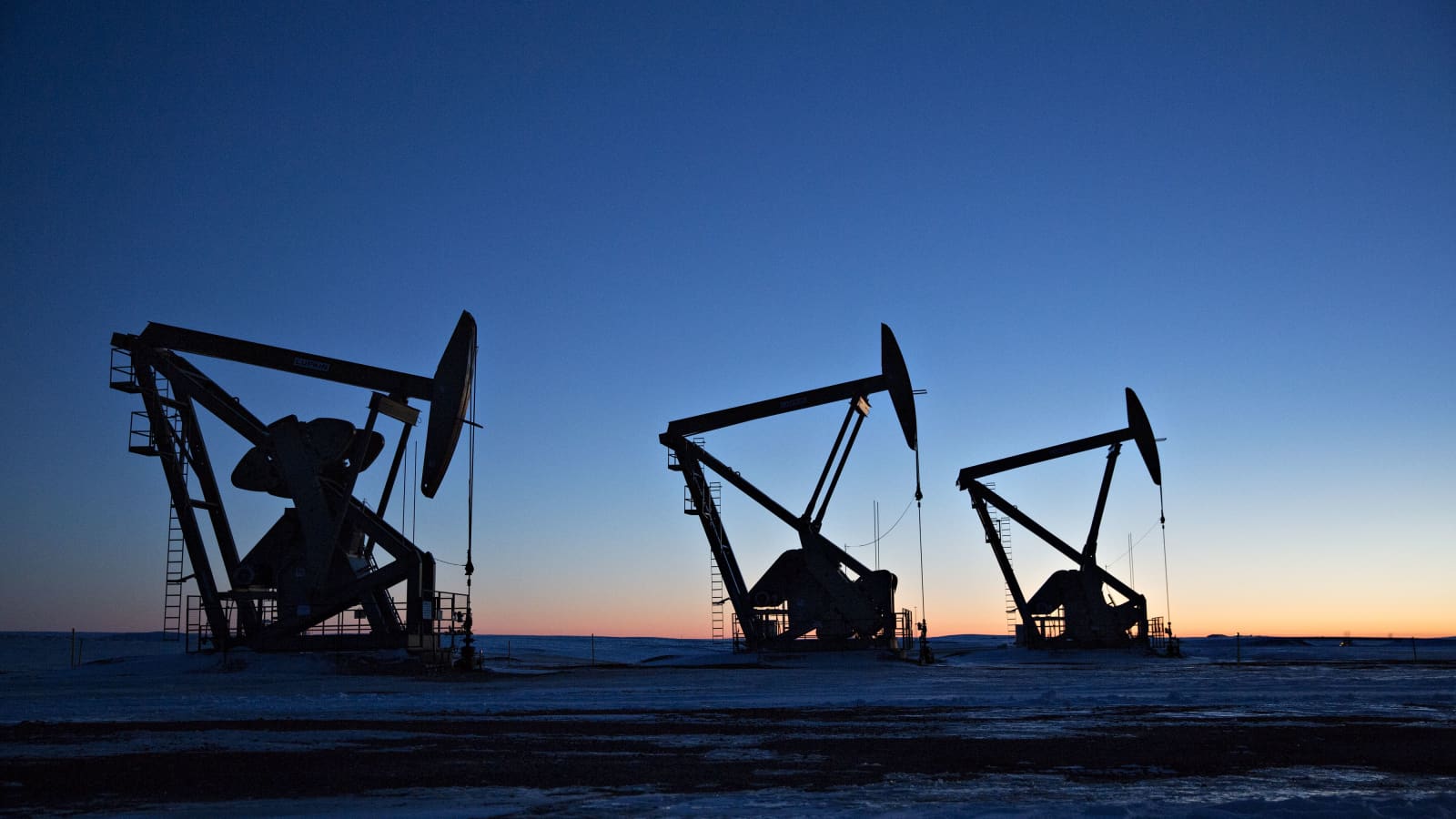
On 20 July, oil prices rose by approximately 3% against a backdrop of further clashes between the US and Iran and restricted shipping through the Strait of Hormuz. Brent futures rose to $90.87 per barrel, whilst WTI futures rose to $84.84. According to LSEG, four vessels crossed the strait the previous day, compared with eight the day before.
Briefly about the main points
- Brent rose by 3.14% to $90.87 per barrel.
- WTI rose by 2.85% to reach $84.84.
- Four vessels passed through the Strait of Hormuz over the past 24 hours.
- The US has carried out strikes against Iran for the ninth night in a row.
- The KVI reported that two tankers had exploded, but CENTCOM denied this.
Share prices continued their sharp rise over the week
On Monday, Brent traded at its highest level since 11 June. Last week, its price rose by 15.9% — the largest weekly gain since April. US WTI futures rose by 15.5% over the same period, marking the most significant increase since early March.
ING analysts have linked the breakthrough Brent Above $90, with no signs of de-escalation in the Persian Gulf. Over the weekend, the US carried out strikes against Iran for the ninth night in a row, whilst Kuwait and Bahrain reported new Iranian attacks.
Traffic through the strait remains restricted
The Strait of Hormuz typically accounts for around one-fifth of global oil trade. The decline in the number of transits suggests that the conflict is already affecting not only traders’ expectations but also the accessibility of this key maritime route.
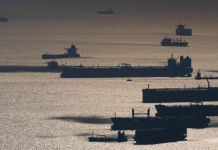
At the same time, traffic has not come to a complete standstill. According to LSEG data, since Friday at least three tankers carrying petroleum products and one very large crude carrier have entered the strait to load oil. The US states that it is blocking traffic to and from Iranian ports, whilst Iran says it is targeting vessels which, in its view, are breaching navigation rules in the Strait.
Reports about the tankers are conflicting
The Islamic Revolutionary Guard Corps stated that two oil tankers exploded and lost propulsion whilst attempting to pass through the strait via the southern route. The Iranian side claims that the US military had recommended this route to the vessels. US Central Command has denied claims that the tankers were blown up by mines.
Separately, the UK Maritime Trade Operations Centre reported that a vessel had caught fire north-west of Kumzar in Oman. It is not clear from the available reports whether this incident is linked to the statement IRGC.
The market is pricing in the risk of prolonged disruptions
Barclays analyst Amarprit Singh He noted that the coming days and weeks should reveal a stable level of oil exports from the region, despite the concurrent restrictions. In his view, the market may be underestimating the potential impact on inventories, which, according to the bank’s estimates, are at their tightest level in five years.
The current rise in prices reflects the risk of a decline in export flows, rather than a confirmed full the blockade of the Strait of Hormuz. If the number of trades remains low, concerns about physical deliveries may continue to support prices.