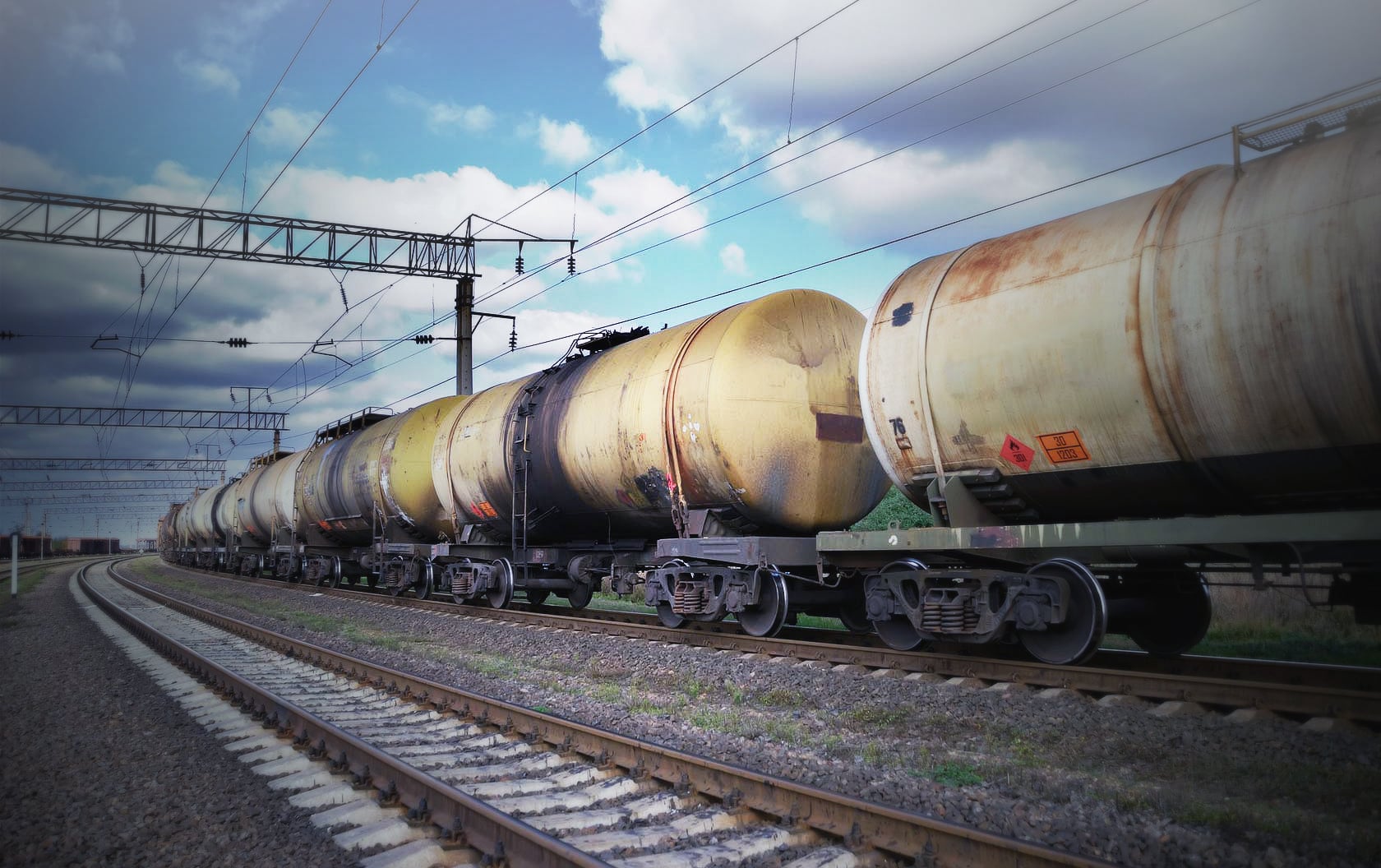
A review of Ukrzaliznytsia’s freight transport tariffs could affect the cost of petrol and diesel in Ukraine. Oleksandr Sirenko, an analyst at the consultancy firm «Naftorink», says that the logistics component of the price per litre of fuel could rise from an average of 2–3 UAH to 4–5 UAH. Furthermore, the market is under pressure due to high diesel prices in Europe.
Briefly about the main points
- The logistics component of fuel prices could rise to 4–5 UAH per litre.
- Previously, logistics costs averaged 2–3 UAH.
- The proposal for a 30 per cent increase in freight rates has not yet been approved.
- High European diesel prices are keeping the cost of imported diesel high.
- Higher fuel prices may increase business costs and inflationary pressure.
Logistics may become more expensive
According to estimates Oleksandra Sirenko, following the revision of tariffs, rail logistics will add 4–5 UAH to the cost of a litre of petrol or diesel, instead of the current average of 2–3 UAH. This means additional pressure on the cost price of the fuel supplied to the Ukrainian market.
However, passing on the exact same amount to the retail price is not automatic. It will depend on the route, the terms of the contracts, traders’ available stocks, the method of onward delivery and competition between petrol station chains.
The indexation of freight tariffs remains a proposal for the time being
In June, the Ministry of Development proposed increasing freight tariffs for 30% with effect from 1 August 2026 and changing the pricing principle for empty wagons. However, on 17 July, the relevant working group proposed that the draft be returned to the new government for further revision.
Ukrzaliznytsia explains the need for indexation by citing rising costs. The company describes a 30 per cent increase as a moderate, phased approach which, in its view, will not fully restore its financial position but may help to regain the support of international financial organisations following a final decision.
Critics of the draft within the working group are insisting on a more limited revision. In particular, a representative of «Ukrmetallurgprom» Oleksandr Kalenkov He considered indexation at 5–14% to be sufficient, and proposed that the railway’s remaining requirements be funded by the state.
Imported resources are becoming more expensive despite the trend in oil prices
On the price of petrol and diesel are affected not only by domestic transport costs. According to Sirenko, refined petroleum products remain expensive despite the fall in oil prices, which is why Ukraine is forced to import this costly resource.
External price levels remain high according to European Union statistics: in June, the category of fuels and lubricants for private transport was 13.7% more expensive than a year ago. At the same time, on a month-on-month basis, diesel in the EU fell by 6.4% and petrol by 4.2%, so the trend in purchase prices may be uneven.
Fuel adds to a business’s costs
Higher fuel prices increase costs for transport operators, manufacturers and the service sector, and may therefore be reflected in prices for consumers — particularly for food, repairs and transport services. This does not mean that all goods will become more expensive at the same time or to the same extent: the extent of the impact depends on the proportion of fuel costs in a particular business’s overall expenditure.
In June, the National Bank recorded fuel inflation at 33.4% year-on-year. The regulator also linked higher fuel and energy prices to rising costs for transport services, vehicle maintenance and certain food products. At the same time, headline consumer inflation slowed to 7.2% year-on-year, suggesting that the impact of fuel costs may be offset by other factors, notably seasonal supply of certain goods.