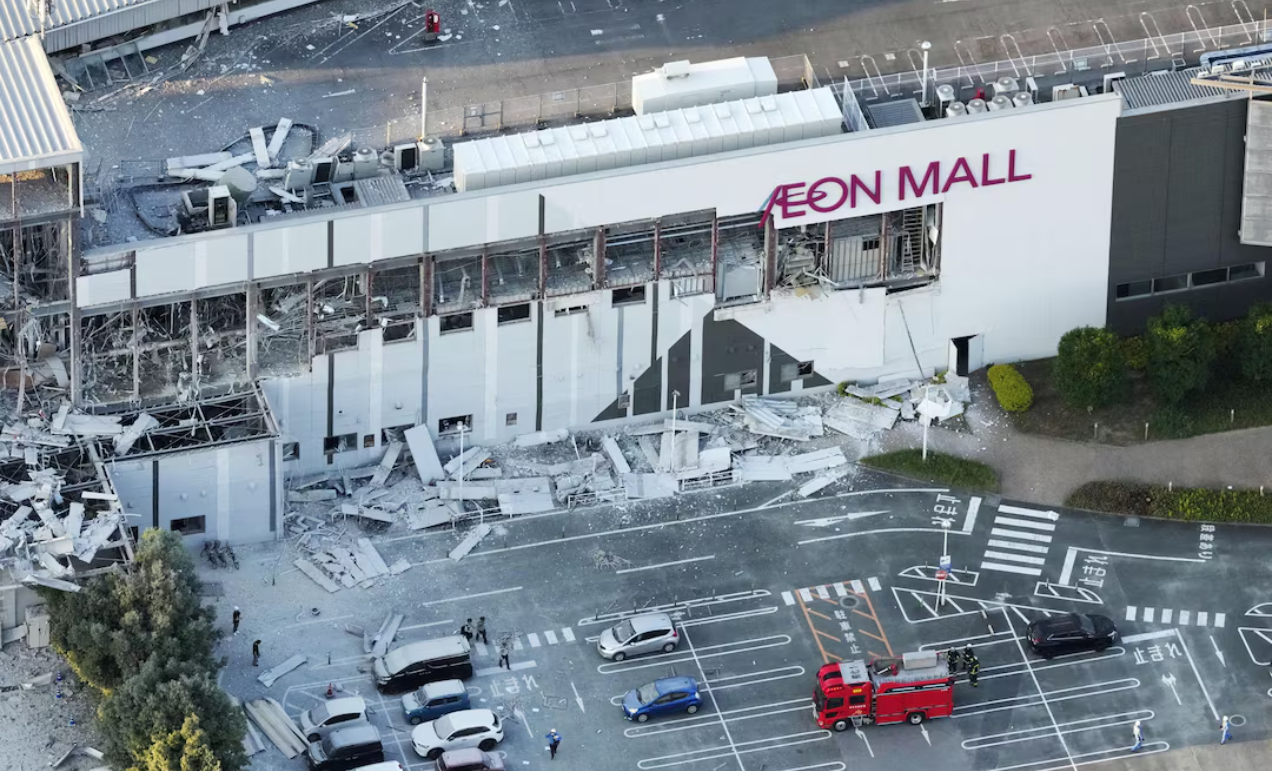
An earthquake measuring 7.1 on the Richter scale struck Kumamoto Prefecture on the island of Kyushu on 28 July. According to police, following the tremor at the partially collapsed Aeon shopping centre, many people are believed to have died, whilst several others remained trapped. NHK reported at least 50 people injured, and around 300,000 people were instructed to move to evacuation centres.
Briefly about the main points
- The police have reported that many people are believed to have died following an explosion at the Aeon shopping centre.
- One hospital reported more than 50 casualties; there were also reports of injured passengers on the high-speed train.
- Around 300,000 residents have been instructed to move to evacuation centres.
- 48,000 households are without electricity, and mobile phone services are experiencing disruptions.
- The tsunami warning has been lifted, but the authorities have warned of aftershocks.
Explosion at a shopping centre and initial reports of casualties
The epicentre of the tremors was located approximately 20 kilometres south of Kumamoto — the largest city in central Kyushu, home to around 700,000 people. The earthquake damaged buildings, roads and bridges, and fires broke out in some areas, according to Japan’s Prime Minister Sanae Takaichi.
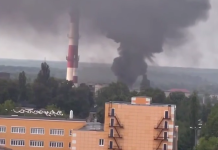
An explosion occurred at the Aeon shopping centre following the initial tremor. The fire service reported that people were trapped inside the building. According to TBS, the police stated that «a considerable number» of people are believed to have died.
A spokesperson for Aeon said that shoppers and staff were evacuated immediately after earthquake. The cause of the subsequent explosion has not yet been established. Kazuya Tsurunaga, who was in a pub about 300 metres from the complex, told TBS about a powerful blast and a large cloud of smoke; he said that, due to the wind, the situation resembled volcanic ash falling.
Transport disruptions and power and communication outages
Kyushu Electric Power has reported that 48,000 households have lost their electricity supply. Mobile network operators KDDI and Docomo have reported problems with mobile connectivity due to power cuts and damage to transmission lines.
JR Kyushu has suspended rail services, including high-speed trains. Kumamoto Airport has closed its runway, leading airlines to cancel and divert flights. Footage from NHK shows large cracks in the main roads, including on an overpass.
TSMC has evacuated staff from its facility in the earthquake-affected area as a precautionary measure. The Nikkei newspaper also reported that staff had been evacuated from local Sony and Fujifilm factories. The Japanese nuclear regulatory authority stated that no disruptions to the operation of nuclear power stations in the area had been recorded.
Evacuation and the risk of aftershocks
The Emergency Management Agency has instructed around 300,000 people to move to evacuation centres. Takaichi announced that 3,600 military personnel would be deployed to deal with the aftermath, and urged residents to move to safe locations.
A spokesperson for the Japan Meteorological Agency has warned that further strong earthquakes and landslides are possible for around a week in the areas that experienced the strongest tremors. The tsunami warning, issued immediately after the tremor, was subsequently lifted.
Kumamoto has once again been hit hard
The latest earthquake struck ten years after the devastating disaster in Kumamoto, which claimed the lives of 275 people and injured a further 2,739. At that time, thousands of buildings were damaged, including the city castle.
This time, part of the stone walls of Kumamoto Castle has also collapsed, according to a spokesperson for the castle’s management. This further damage to the historic building highlights the extent of the tremors in the city, although the authorities are still assessing the full extent of the damage.