
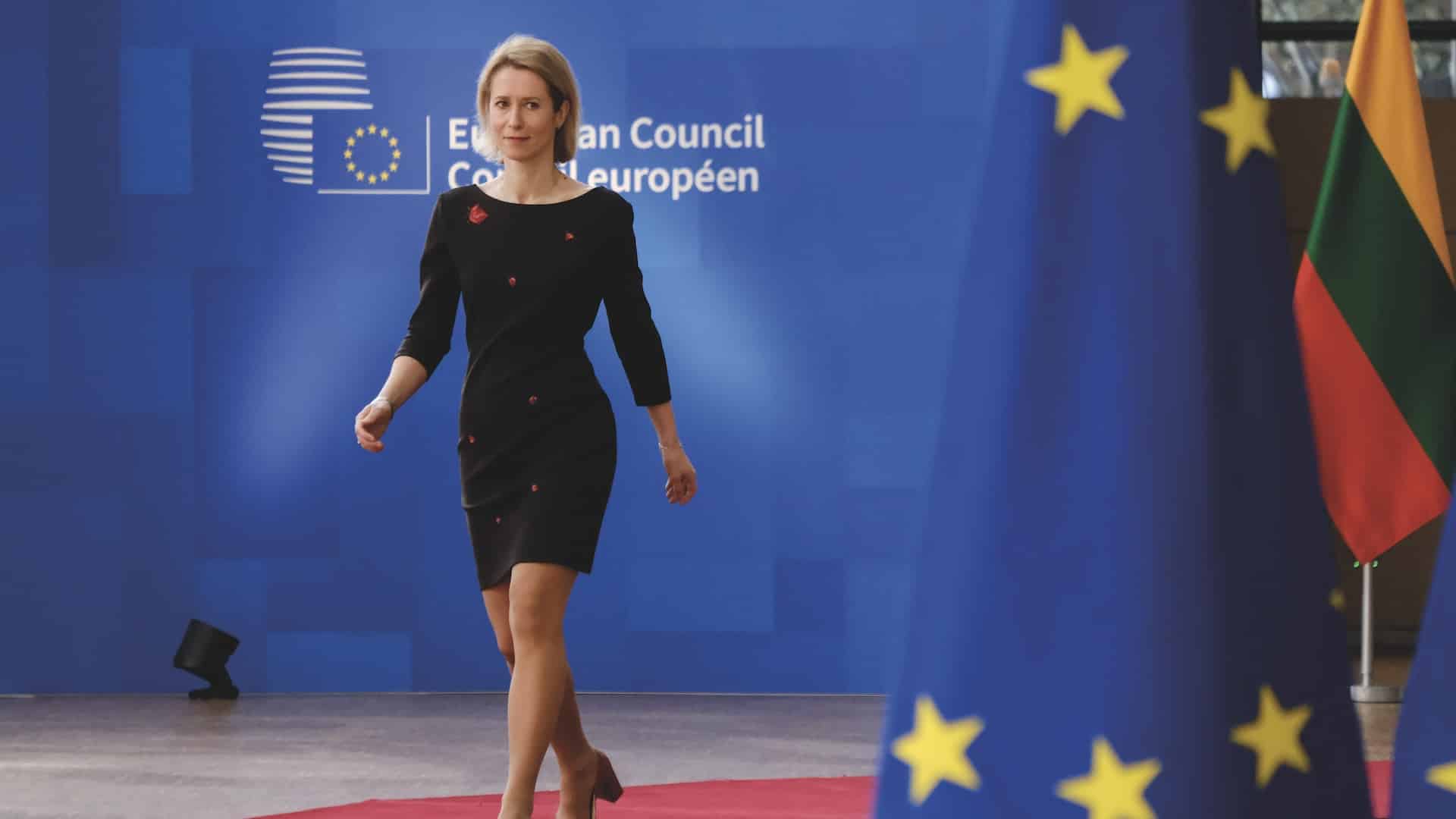
The EU’s High Representative for Foreign Affairs, Kaja Kallas, has stated that the European Union plans to introduce a new package of sanctions against Russia in the coming months. According to her, it could be the most extensive package since the start of Russia’s full-scale invasion of Ukraine, and once adopted, it will expand the list of sanctioned individuals and companies by a third.
Briefly about the main points
- The EU plans to unveil its next package of sanctions in the coming months.
- Callas stated that the package could be the largest since the start of the full-scale war.
- Once the decision has been taken, the lists of Russian individuals and companies subject to sanctions will increase by a third.
- Callas estimated Russia’s losses from the sanctions at over one trillion euros.
- In July, the EU adopted its 21st package, which covered energy and financial services.
The lists of individuals subject to sanctions are set to increase by a third
In an interview with *Die Welt* Kaya Kallas She said that, following the adoption of the new package, the total number of Russian individuals and legal entities subject to the restrictions would immediately increase by a third.
Callas called for increased pressure on Moscow
According to Callas, the current European sanctions have already caused Russia significant losses and cost it more than 1 trillion euros. This is the assessment of the head of European diplomacy.
She stated that the pressure of sanctions must be stepped up until Moscow ends the war against Ukraine.
On 23 July, the Council of the EU gave its final approval to The 21st round of sanctions against Russia. It targeted Russia’s energy sector, financial services and cryptocurrencies; the package included 218 new individual entries on the sanctions lists.
Its adoption was preceded by opposition from certain countries for various reasons, the most recent of which was Greece. On 7 August, the EU also approved new sanctions lists targeting Russia in response to the recent large-scale attacks on Ukraine.




Kallas’s 22nd sanctions package; Russia keeps getting stronger and Ukraine is being utterly destroyed. Keep at it, Kallas!
What a lack of imagination!!! And to top it all off, that’s the very definition of insanity…