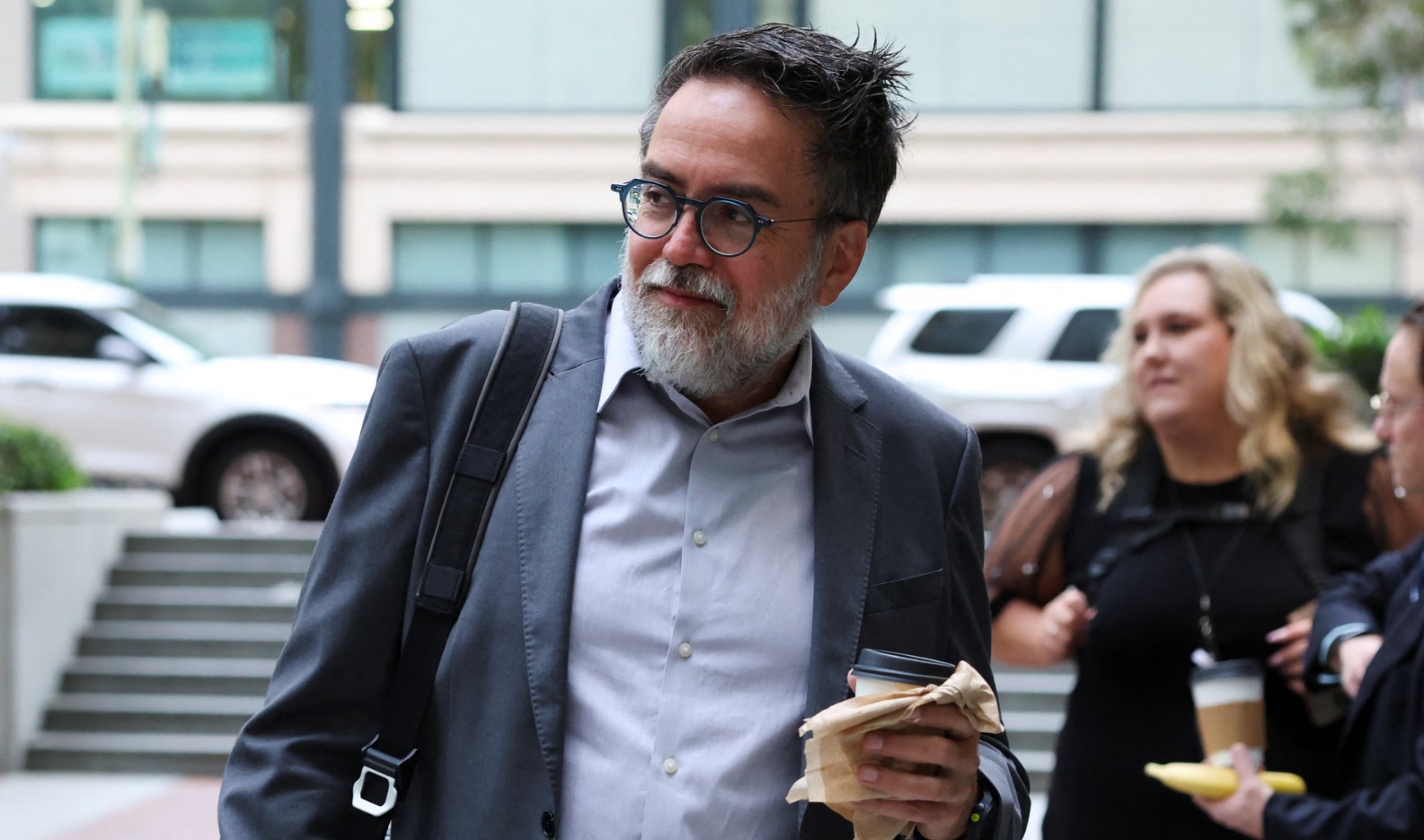
Arturo Bejar, a former security engineer at Meta, told the federal court in Oakland that the company was aware of the harm its platforms could cause to children but failed to respond appropriately. The lawsuit was brought by the attorneys-general of 29 US states; they are seeking compensation and changes to the design of Facebook and Instagram’s products.
Briefly about the main points
- Behar stated that Meta had received reports of content that was harmful to children.
- According to him, the recommendations promoted content from sexual predators and graphic images.
- The US states accuse the company of creating products that could be addictive to young people.
- Meta denies the claim and cites its user protection measures.
- The trial may last at least six weeks.
Behar spoke about the warning issued to the company’s management
Behar said that the platforms’ recommendation algorithms could be exposing children to content from sexual predators, as well as violent and graphic images. He said he had raised this issue on several occasions with the heads of Facebook and Instagram, but there had been no substantial response.
The witness estimates that he has discussed the matter with Mark Zuckerberg issues relating to products. He also sent a letter to the CEO in 2021 regarding persistent complaints about harmful content in Facebook — following Zuckerberg’s public statement that the company does not prioritise profit over safety.
Behar told the jury that, in his view, such a public stance created a false and misleading impression of Facebook’s attitude towards young users.
States are calling for accountability regarding platform design and data collection
The Attorneys General allege that Meta deliberately designed products that appealed to young people, were potentially addictive and caused harm. A separate part of the claim concerns the alleged collection of data from users under the age of 13 without parental consent, which, according to the claimants, breaches federal and state laws.
In June, the court rejected Meta’s attempt to have the case settled at the trial stage without a jury. Judge Yvonne Gonzalez Rogers highlighted significant disputes over the facts, particularly regarding product design, potential addiction and the company’s knowledge of accounts held by children under the age of 13. This decision does not determine Meta’s liability on the merits.
Meta denies the allegations and highlights its safety tools
Meta denies all the allegations in the claim. In his opening statement, the company’s lawyer, Paul Schmidt, acknowledged that some people may experience problems due to social media, but stated that Meta had created tools to address such risks.
The company also stated that it does not allow users under the age of 13 to register and has deactivated over a million accounts belonging to such young users. Between 2025 and 2026, Meta expanded its Teen Accounts programme and introduced restrictions and parental control tools; however, the court is considering whether the measures it had previously put in place were sufficient.
Testimony from Meta executives and the plaintiffs’ potential claims
Behar is due to continue giving evidence on Wednesday. The list of upcoming witnesses includes Zuckerberg, Instagram head Adam Mosseri, other company executives, and experts in children’s mental health and addiction. The hearing is expected to last at least six weeks.
The claimants are seeking not only a financial penalty but also an order requiring Meta to change the design of its products to make them safer for children. If liability is established, the amount of damages could potentially reach $200 billion, but this is a possible estimate rather than a sum of damages determined by the court.