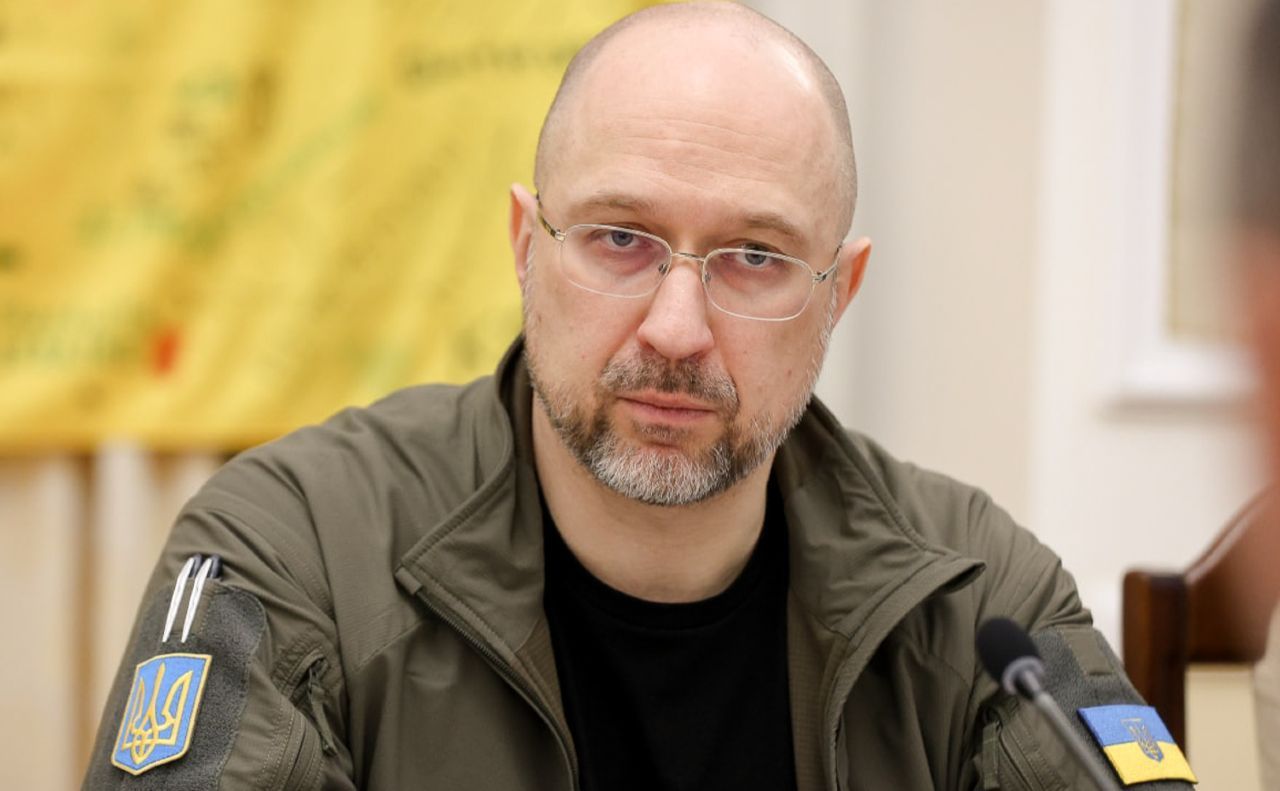
The government has no plans to increase electricity tariffs for domestic consumers until 2027, said First Deputy Prime Minister and Minister for Energy Denys Shmyhal. At the same time, the state is preparing the power system for winter: six operational nuclear power units are in operation, and the available capacity is set to increase to 21.4 GW by the end of the year.
Briefly about the main points
- The Government has announced its intention not to increase the retail price of electricity until 2027.
- The standard price for most consumers is 4.32 UAH per kWh.
- Three of the nine operational power units at the nuclear power station are currently undergoing scheduled maintenance.
- By the end of the year, the plan is to increase available capacity to 21.4 GW.
- Around 200 second-level protective structures have already been completed.
What is the current price for domestic customers?
The basic fixed price for most households is 4.32 UAH per kWh. The government had previously extended its validity until 31 October 2026. Consequently, the announcement that the tariff will remain in place until 2027 reflects the government’s intention; a separate decision is required to extend the scheme beyond October.
For certain categories of households with electric heating in heating season The rate is set at 2.64 UAH per kWh for monthly consumption of up to 2,000 kWh. The full rate applies to consumption exceeding this limit.
From 1 August, the electricity transmission tariff rose by 25% to 928.45 UAH per MWh, excluding VAT. This is the tariff for users of the transmission system, not the fixed price that domestic consumers see on their bills.
Nuclear power units and the capacity expansion plan
According to Shmyhal, six out of the nine available nuclear power plant units are currently operational. The remaining three are undergoing scheduled maintenance. The system is operating stably, so there is currently no need for planned power cuts.
They intend to increase available capacity to 19.6 GW by 1 November, and to 21.4 GW by the end of the year. These figures are intended to build up a larger reserve ahead of the winter peak in consumption and the risk of further Russian attacks on the energy infrastructure.
Protection of sites and regions with varying rates of progress
Around 200 second-tier facilities have been completed in Ukraine protection of energy infrastructure. More than 280 units are still under construction or being installed. These structures, located at key substations and critical components of the system, are designed to minimise the impact of drone strikes and falling debris.
According to the minister’s assessment, the Kyiv and Kharkiv regions are making the best progress in developing new generation capacity. At the same time, risks remain for Kyiv and the Poltava region. In the Poltava region, work is underway to protect energy infrastructure whilst plans are being drawn up for new generation capacity.