Russia has sharply escalated its threats against Estonia following Tallinn’s decision to completely close road and pedestrian border crossings between the two countries from 1 December 2026. The Russian Ministry of Foreign Affairs has accused the Estonian authorities of hostile actions that are allegedly «on the brink of triggering an open war». Moscow has also summoned the Estonian chargé d’affaires and handed over a diplomatic protest. The border closure is scheduled to last for at least six months and comes in response to acts of sabotage which the Estonian security services link to Russian intelligence.
- The Russian Foreign Ministry has accused Estonia of actions bordering on open war.
- Estonia will close all five road border crossings from 1 December.
- The restrictions will be reviewed in six months’ time, taking into account the security situation.
- Tallinn attributes the decision to acts of sabotage organised by the Russian secret services.
- Moscow has levelled further accusations and threatened to take political and diplomatic action.
Moscow has warned of the threat of open war with Estonia
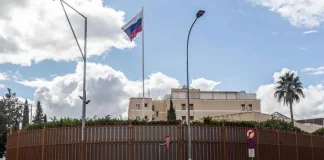
On 23 November, the Russian Ministry of Foreign Affairs summoned the Estonian chargé d’affaires in Moscow and lodged an official protest over the decision to close land border crossings.
The Russian side described Tallinn’s actions as provocative and extremely dangerous. In addition to closing the border, Moscow accused Estonia of allegedly secretly allowing Ukrainian drones to use its airspace to carry out strikes against Russia.
The Russian Foreign Ministry has also raised objections regarding restrictions on shipping in the Baltic Sea, the transit of Russian and Belarusian grain, the status of the Russian language and the activities of the Orthodox Church.
Moscow has stated that it reserves the right to take comprehensive political and diplomatic measures.
Estonia will completely close its land border with Russia from 1 December
On 20 November, the Estonian government officially approved a decision to suspend road and pedestrian traffic with Russia. The restrictions will come into force on 1 December and will apply to all five border crossing points: Narva-1, Narva-2, Koidula, Luhamaa and Saatsi.
The closure will apply to all travellers, regardless of nationality, status or direction of travel. In six months’ time, the authorities will assess the security situation and decide whether to extend the restrictions. Freight rail transport will remain permitted for the time being, subject to the current customs control regulations.
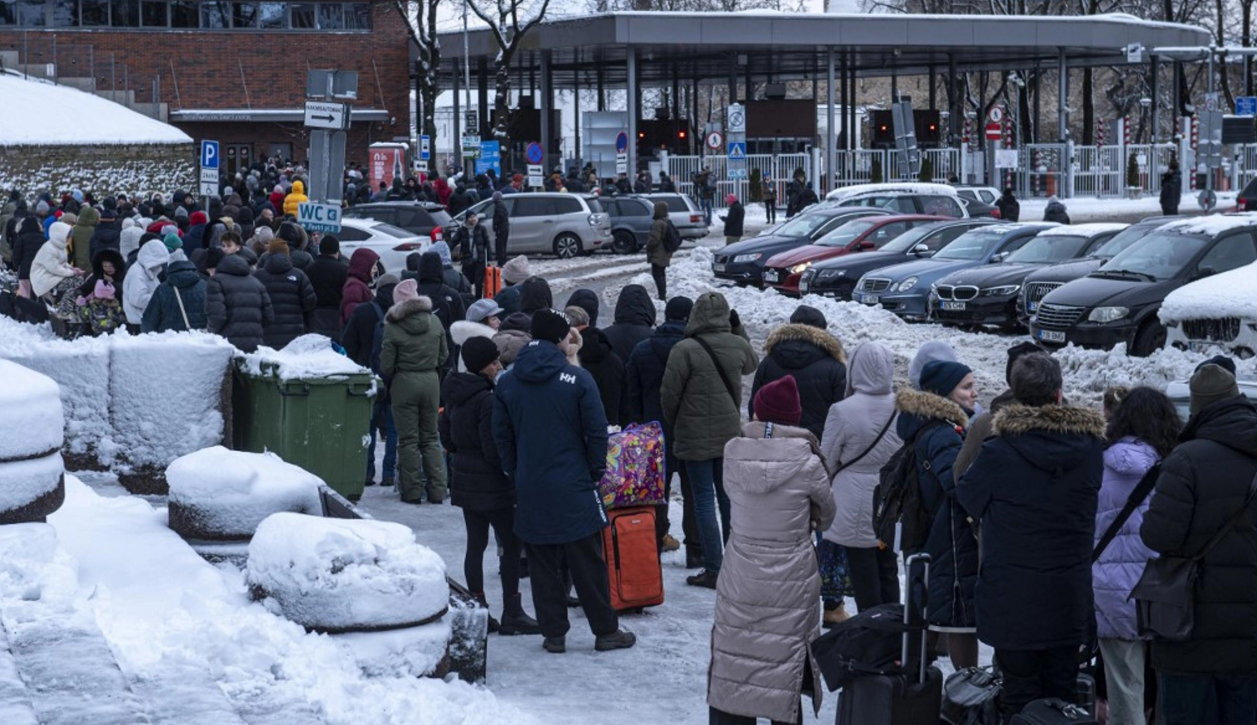
On the eve of the closure, there were already queues lasting several hours at the border. In particular, on the night of 21 November, passengers on a scheduled coach from St Petersburg to Riga were unable to clear security in time and were forced to wait until morning.
The closure was caused by acts of sabotage carried out by the Russian secret services
The Estonian government’s decision relates to the investigation into attacks on defence industry facilities. In particular, on 14 November, unknown individuals attempted to set fire to the premises of the drone manufacturer Threod Systems near Tallinn.
According to the Estonian Internal Security Service, the operation was organised by the Russian military intelligence service, the GRU. Law enforcement officers have detained eight Latvian nationals suspected of involvement in the attempted sabotage.
The Estonian Prime Minister Kristen Michal He emphasised that closing the border should make it more difficult for Russian intelligence services to recruit agents, carry out acts of sabotage and circumvent international sanctions.
Russia denies any involvement in the attack and describes the allegations as unfounded.
The border closure will affect transport and residents in the border region
The restrictions will have the greatest impact on residents of Narva and other border areas who have relatives or work on either side of the border.
After 1 December, citizens will have to use alternative routes via other countries. This will increase journey times and transport costs. International coach services across the Estonian-Russian border will also cease.
Despite Moscow’s strong statements, there is currently no evidence that Russia is preparing an imminent military operation against Estonia. At the same time, the accusations levelled at this NATO member state are heightening diplomatic tensions in the Baltic region.