Investors are actively re-evaluating companies developing new treatments for hair loss. Veradermics’ shares have risen by almost 500% since its February IPO, whilst Absci’s shares have more than doubled in value since the start of 2026. Cosmo, Veradermics and Absci are banking on a large market where patients are likely to pay for treatment themselves.
Briefly about the main points
- Around 80 million people in the US suffer from pattern hair loss.
- No new medicines have been approved in this category since the late 1990s.
- Cosmo plans to submit an application for clascoterone in the US in early 2027.
- Veradermics is testing minoxidil tablets, whilst Absci is testing an AI-developed injection.
- New treatments may have to be paid for out of patients’ own pockets.
A large market with few treatment options
Androgenetic alopecia It affects approximately 50 million men and 30 million women in the US. At the same time, no new medicines have been approved in this category since the late 1990s.
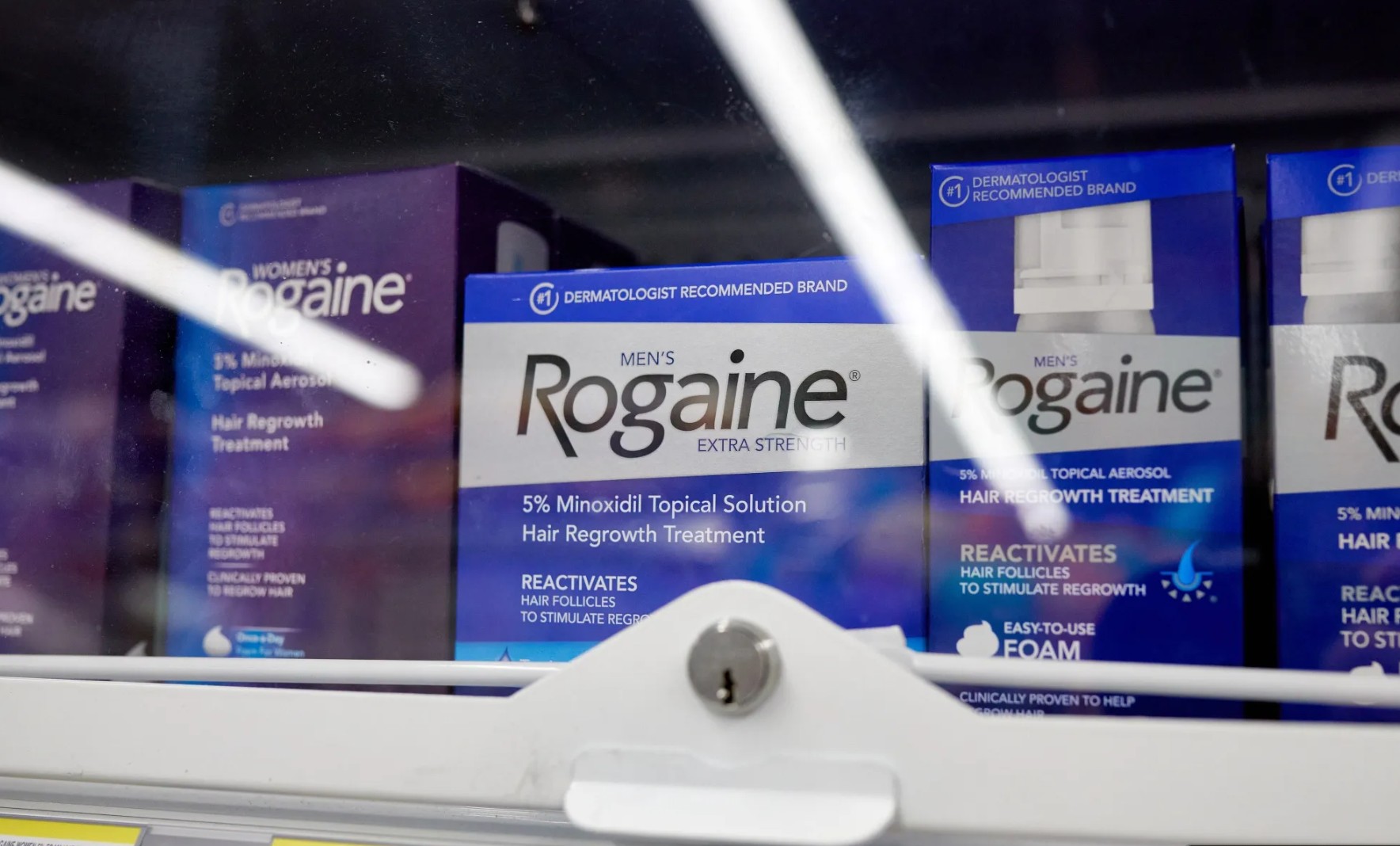
For people for whom a hair transplant is not suitable or is too expensive, the main options remain over-the-counter topical minoxidil — the active ingredient in Rogaine — and prescription finasteride, known under the brand name Propecia. Minoxidil has been linked to heart palpitations, whilst finasteride has been associated with a reduced sex drive.
It is precisely the limited nature of the available approaches that is fuelling investor interest. Wall Street is banking on a segment of consumers who are prepared to pay for more effective alternatives out of their own pockets, much like the demand for medicines GLP-1 for weight loss.
Cosmo is set to submit an application in the US
The product closest to the regulatory stage is Cosmo clascoterone, a topical treatment for male-pattern baldness. It is designed to block the hormone that causes hair loss directly within the hair follicle. The clascoterone 5% solution contains the same active ingredient as that used in the Cosmo acne treatment Winlevi.
The company plans to submit an application for a new drug to US regulators in the first quarter of 2027. Analysts expect Cosmo’s share price to almost double over the next 12 months, although its shares, which are traded in Zurich, have come under pressure amid the success of its US competitors.
Jefferies estimates the potential global sales of the therapy at $3 billion, provided Cosmo finds a strong commercial partner. The brokerage firm suggests that a deal with a partner could be finalised before the end of the year.
Veradermics claims to have developed the first tablet for women
In April, Veradermics reported positive results for its lead candidate – a tablet form of minoxidil – in the treatment of male-pattern hair loss. In July, the company also released promising data from an interim-stage trial involving women with thinning hair.
If the US Food and Drug Administration approves the drug, it could become the first approved tablet for female-pattern hair loss. Analysts are optimistic about the prospects for both Cosmo and Veradermics.
Analyst at Jefferies Roger Son believes that the market has room for several medicines. According to him, patients often combine prescription and over-the-counter medicines if they can afford to do so.
Absci is awaiting clinical data for its AI development
Absci is developing ABS-201, an early-stage candidate — an injectable treatment for pattern hair loss developed using artificial intelligence. The company expects to see interim data in the second half of 2026.
Needham recommends buying Absci shares. Its analyst Gil Bloom described the company’s story as an «all-or-nothing» scenario: the potential returns could be substantial, but key clinical validation for the early-stage programme is still to come.
Demand does not eliminate the risks associated with treatment development and payment
Unlike weight-loss medicines, hair loss is not a medical emergency. GLP-1 drugs have managed to secure insurance cover as part of the fight against obesity, whilst also appealing to people concerned about their appearance. New hair loss treatments are likely to remain out-of-pocket expenses for patients.
Ryan Isherwood, co-owner of three Gameday Men’s Health clinics in Wisconsin, believes that a painless and simple format – such as a tablet – could attract more patients. At the same time, drug development remains risky: prior to the GLP-1 breakthrough, a number of anti-obesity drugs failed to become blockbusters, and some companies ended up in bankruptcy proceedings.
Portfolio Manager at OrbiMed Jeff Hsu He describes obesity and hair loss as major consumer markets. In his view, a safe and effective treatment for hair loss would open up a significant potential market, although the high valuations of these companies do not eliminate the risk of clinical programmes failing.