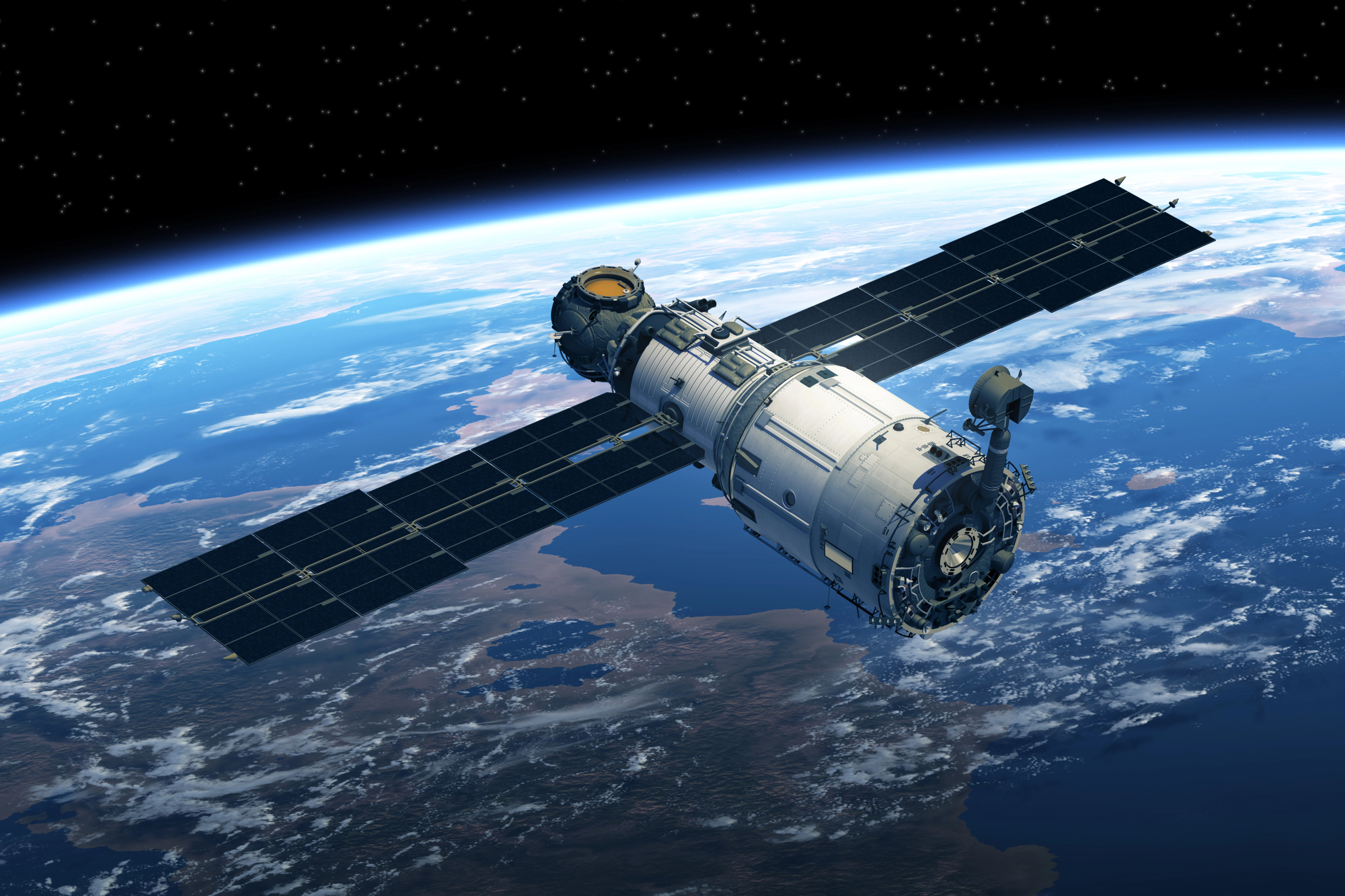
Two Rassvet satellites, No. 17 and No. 23, from the second batch launched by Russia in July 2026, are continuing to lose altitude, according to Clash Report. According to the publication, No. 17 is in orbit at an altitude of approximately 245 km and is descending by around 1.7 km every day.
Briefly about the main points
- Clash Report has reported that the Rassvet No. 17 and No. 23 satellites have lost altitude.
- For Rassvet No. 17, an altitude of approximately 245 km and a rate of descent of 1.7 km per day were reported.
- If no orbital correction is made, the spacecraft could enter the atmosphere within weeks.
- The problems with these two satellites are not indicative of the condition of the entire July batch of 16 satellites.
What is known about orbits No. 17 and No. 23
Clash Report claims that neither spacecraft has begun a noticeable ascent to its operational altitude. Unless they carry out an orbital manoeuvre, the satellites could re-enter the atmosphere and burn up within the next few weeks.
Open-source orbital observations as at 7 October also detected No. 17 and No. 23 in low orbits at altitudes of between 250 and 280 km. However, the available data do not establish a technical cause for the absence or insufficiency of manoeuvres, so it is premature to describe this as an engine failure.
Not all of the July consignment is in the same condition
The second production batch Rassvet consisted of 16 satellites. It was launched on 19 July, and Bureau 1440 reported that the satellites had been placed into orbit the following day.
Problems No. 17 and No. 23 do not automatically apply to all satellites in this launch: at least one satellite from the July batch had reached an altitude of approximately 500 km by the end of September, whilst some of the others continued to gain altitude.
A similar incident had previously occurred with Satellite No. 4 from the March batch: it failed to carry out its manoeuvres and burned up in June 2026.
The scope of the Rassvet programme
The Rassvet system is being developed by Bureau 1440; it is described in the media as a Russian a Starlink equivalent. Russia’s need for its own satellite communications network became more pressing after its military’s access to unauthorised Starlink terminals was restricted, although the project itself had been in development for some time.
In two scheduled launches in March and July 2026, 32 Rassvet satellites were placed into orbit — 16 in each batch. The six previous test satellites are not included in this tally.
Problems with individual units and the slow deployment of some satellites into their target orbits may complicate the roll-out of the network. Bureau 1440 has announced its intention to commence commercial operations in 2027; however, this is the company’s plan.