Singapore is preparing for further disruptions to fuel supplies from the Middle East. Foreign Minister Vivian Balakrishnan has stated that the risks to key maritime routes remain high, and the country is already considering Canada as an additional source of energy.
- Singapore is bracing for further fuel shortages.
- Risks associated with the Middle East.
- Routes through the Red Sea are under threat.
- Singapore is considering Canada as a new supplier.
Singapore has warned of new risks to supplies
Singapore must be prepared for further disruptions to energy supplies from the Middle East. This was stated on 19 September by the country’s Minister for Foreign Affairs Vivian Balakrishnan following trips to Doha and Ottawa.
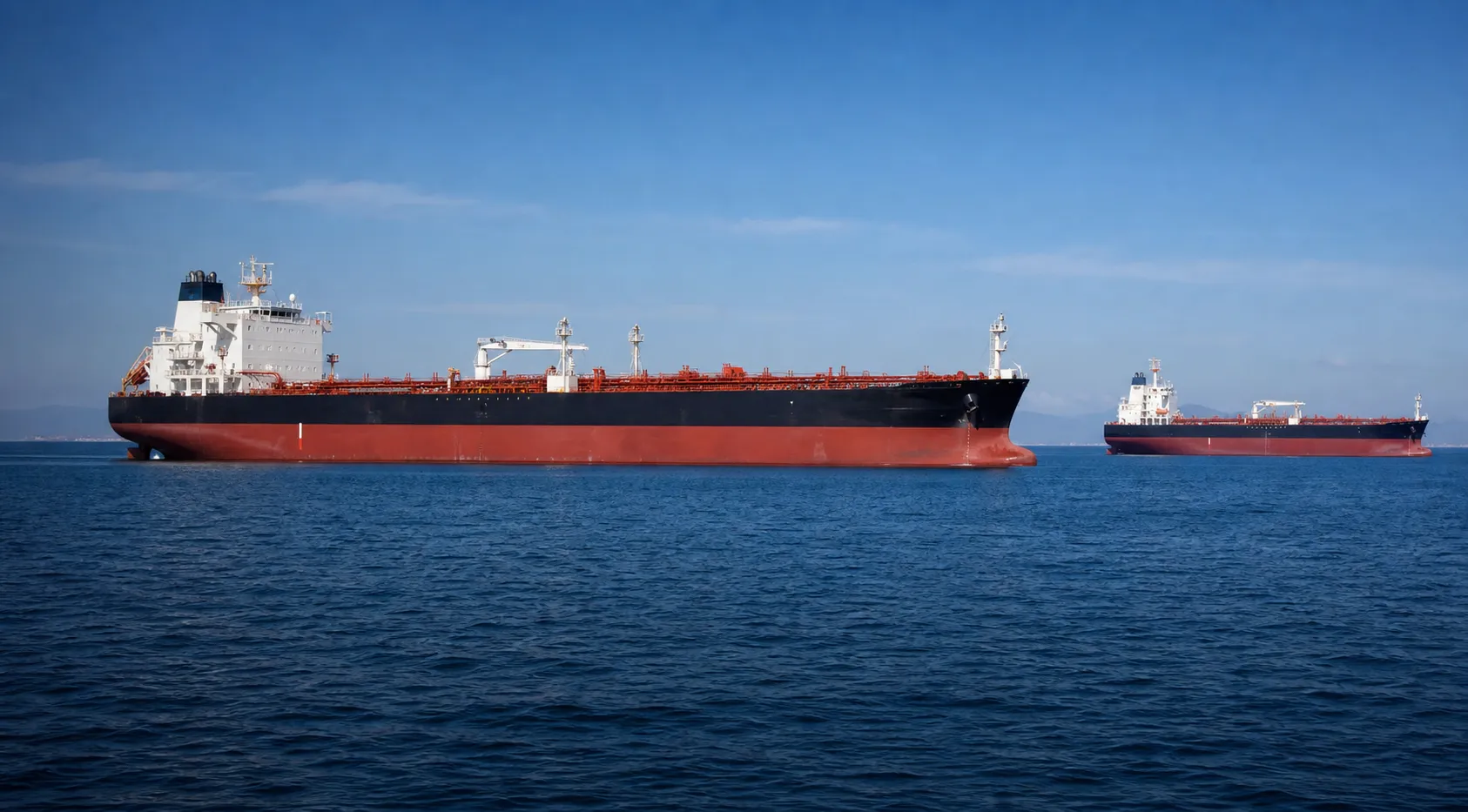
According to him, the conflicts in the region are already affecting key maritime routes used to transport oil and liquefied natural gas.
Of particular concern is Strait of Hormuz. Its closure has posed a serious obstacle to LNG exports from Qatar, which is one of Singapore’s key gas suppliers. At the same time, Balakrishnan emphasised that the country has so far been able to cope with the problem thanks to its diversified supply sources.
A new risk has emerged in the Red Sea
Another source of uncertainty has been the situation surrounding the Bab el-Mandeb Strait — one of the key sea routes between Asia and Europe.
The minister noted that problems in this region could affect, in particular, energy exports from Saudi Arabia.
Bab el-Mandeb is of strategic importance to global trade: ships pass through it to travel from the Red Sea to the Gulf of Aden and on into the Indian Ocean. In September, the Houthi advance in Yemen heightened the risks to shipping in the area. Reuters reported that their forces had reached the strategic island of Perim in the strait, increasing the threat to one of the main oil export routes.
Singapore is looking for an alternative in Canada
Against a backdrop of instability, Singapore has begun to diversify its future energy sources more actively.
Balakrishnan described Canada as a major energy power with resources in both the fossil fuel and renewable energy sectors. He said that Singapore regards the country as a potential supplier of energy and food.
During his visit to Ottawa, Balakrishnan and the Canadian Foreign Minister, Anita Anand, signed a joint declaration on the establishment of Singapore–Canada Economic Partnership Framework. The document provides for cooperation in the areas of energy security, LNG, critical minerals, clean energy and sustainable supply chains.
Deals could be announced as early as the coming months
According to Balakrishnan, Singapore and Canada are also considering the possibility of more formal arrangements regarding trade in critical goods.
The negotiations are currently at an early stage. The minister said that some agreements could be finalised for signing within the next two to three months.
Singapore has therefore not reported any domestic fuel shortages; however, the authorities are preparing for possible further disruptions to international supplies and are seeking to reduce their reliance on specific routes and regions.