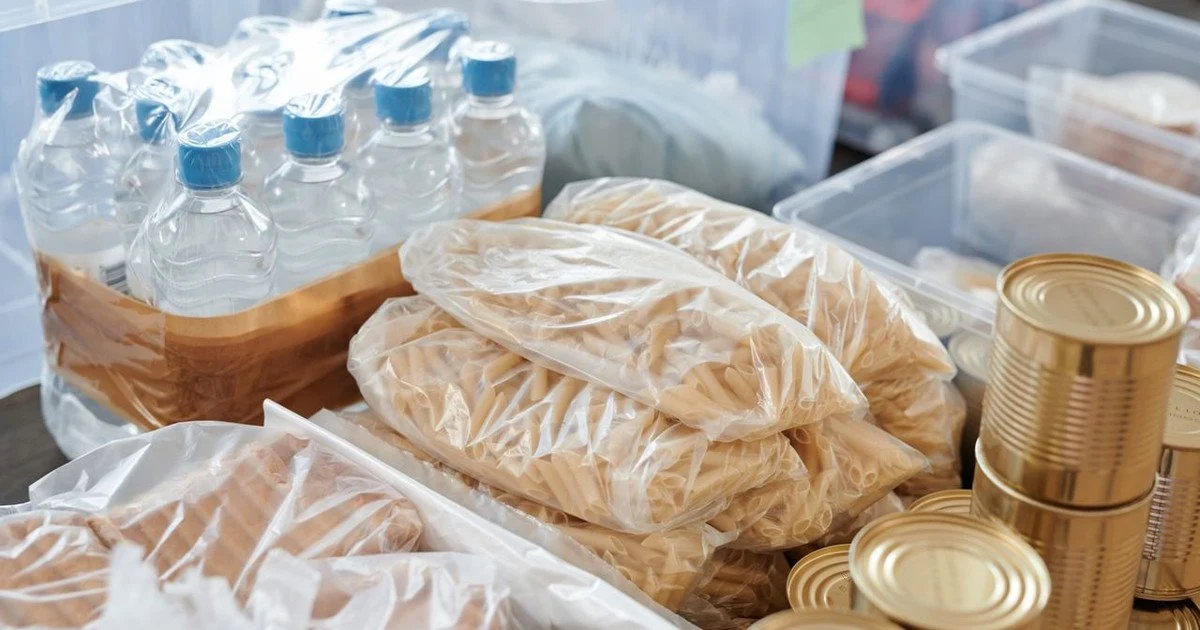
Ahead of the winter of 2026/27, families are advised to gradually build up a home supply of food, drinking and utility water, medicines, hygiene products and emergency lighting. The list, drawn up in line with recommendations from civil protection authorities, is intended to help people prepare for temporary disruptions to electricity, water, heating, and the opening hours of shops and pharmacies.
Briefly about the main points
- Build up your stock with everyday items that are easy to restock.
- Some of the food should be edible without the need for a hob, boiling water or a fridge.
- It is recommended that each adult have a supply of water sufficient for at least three days.
- Check the expiry dates of your medicines and ensure that the emergency lighting is in working order.
- Make separate plans for the needs of children, people requiring ongoing medical treatment and pets.
Food: supplies for your usual diet and ready-to-eat meals
A basic food supply could consist of buckwheat, rice, oats, pasta, cooking oil, salt and sugar. It is advisable to buy, first and foremost, the items that your family consumes regularly: this makes it easier to use up your supplies before their use-by dates and to replenish them in good time.
It’s worth having a separate one products, which can be eaten without cooking, boiling water or refrigeration until the packet is opened. These include tinned meat and fish, tinned beans, peas and sweetcorn, bread, rusks, crackers, nuts, dried fruit, energy bars and long-life milk in small packs.
You’ll need a manual can opener for tinned food. Once opened, follow the storage instructions on the label, as the product can spoil quickly if not kept in the fridge. Potatoes, carrots, beetroot, onions and garlic should only be bought in large quantities if you have suitable storage space, and you should regularly remove any vegetables that have gone off.
Water: separate billing for drinking and domestic use
The Civil Protection Department of Poltava City Council recommends allowing 3 litres of drinking water per adult per day, including fluids from food, and 10–12 litres of non-potable water for hygiene purposes. It is advised to plan for a minimum supply to last three days.
Based on this guideline, two adults will need 18 litres of drinking water for three days. Water for children and pets should be added to this amount separately. Drinking water and utility water should be kept in separate, labelled containers, and the storage periods and conditions specified by the manufacturer should be checked.
First-aid kit, hygiene and the family’s personal needs
It is worth checking the expiry dates of medicines in your first-aid kit, as well as ensuring you have bandages, plasters, antiseptic and a thermometer. You should arrange in advance for a supply of any medicines that you take regularly on a doctor’s prescription. Medicines must be stored in accordance with the instructions, taking into account the required temperature conditions.
Household supplies should include soap, toothpaste, toilet paper, tissues, personal hygiene products, bin bags and washing-up liquid. For young children, you should provide their usual food, nappies and care products, and for pets — food, water, litter and any medication prescribed by a vet.
Electricity, telecoms and heating during power cuts
Before the cold weather sets in, check your torches, rechargeable lamps, power banks, charging cables and your supply of batteries. A battery-powered radio can be a source of information if there is no internet. Owners of charging stations or uninterruptible power supplies should ensure that their devices are compatible with the necessary equipment.
To keep the heat in, it is advisable to seal any gaps around windows and doors. At home, you should have blankets, throws, warm socks and loungewear ready, and decide in advance which room will be the most comfortable for the family to stay in during heating outages.
How to plan your purchases and keep track of notifications
To avoid unnecessary expenditure, first make a list of the items you already have at home, and add any essentials to your usual weekly shopping list. Use the food items with the nearest expiry date first. Keep your documents and copies of them in an easily accessible folder, write down important telephone numbers on a piece of paper, and have a small amount of cash to hand.
Status report utilities It is worth checking the addresses of help centres in your local area and with local service providers.