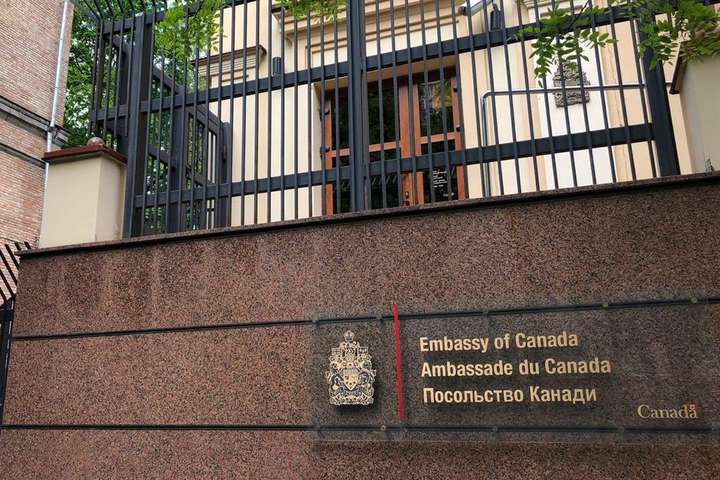
Western diplomatic missions in Kyiv are drawing up contingency plans in case of a sharp deterioration in the security situation and possible targeted attacks by Russia on foreign missions. According to The Guardian, two senior diplomats have reported that options under consideration include relocating embassies to Lviv or eastern Poland. At the same time There is currently no evacuation of diplomats: Western officials have publicly emphasised that they are staying in the Ukrainian capital.
- Western diplomats are drawing up contingency plans in case the situation in Kyiv deteriorates further.
- Lviv and eastern Poland are mentioned as possible destinations.
- These plans may be put into action if Russia begins deliberately attacking foreign diplomatic missions.
- At present, Western embassies have not announced that they are leaving Kyiv.
What The Guardian actually reported
On 2 October, a British publication ran a major feature on the sharp escalation of Russian attacks to Kyiv. It states that Western diplomats publicly intend to remain in the capital, as an evacuation could be used by Moscow as a propaganda tool and create the impression that the allies are abandoning Ukraine.
At the same time, two senior diplomats, speaking on condition of anonymity, said that contingency plans are being drawn up the relocation of embassies to Lviv or eastern Poland.
The key condition is not simply the continuation of attacks on Kyiv, but a situation in which Russia will begin to deliberately target foreign diplomatic missions. One of the diplomats described the security situation as «clearly deteriorating rapidly».
Why do diplomats draw up contingency plans?
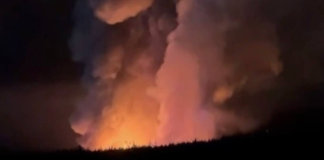
The article appeared following a series of Russian strikes across Kyiv. Over the course of a week, office and residential buildings, data centres, a school, a medical facility and the South Bridge came under attack. Russia has also stepped up its strikes on the capital’s energy infrastructure.
Mayor of Kyiv Vitali Klitschko He stated that the capital is in a «very dramatic situation» and that it is no longer possible to carry on as if the city were functioning under peacetime conditions. According to him, Russia is attempting to systematically disrupt the city’s normal functioning.
A particular threat is posed by the combination of shortage of interceptors Patriot and the emergence of new Russian jet-powered drones, which are significantly faster and more difficult to intercept using conventional air defence systems.
There is talk in Kyiv of the risk of a large-scale winter campaign
The Guardian also reports that the Ukrainian side is warning its European partners of the possibility of a new large-scale campaign targeting the energy sector. The publication cites information about an intercepted Russian plan, which may involve the use of large numbers of missiles, drones and aerial bombs against substations, power stations and heating infrastructure.
A Western diplomat in Kyiv told the publication that Moscow might attempt to cut off the capital’s electricity and heating supplies during the cold season. It is against this backdrop that diplomatic missions are drawing up contingency plans in the event of further escalation.
Contingency planning in such a situation does not imply that a decision to evacuate has been taken. For diplomatic missions, preparing alternative routes, alternative locations and security plans is standard practice in times of war.
EU ambassadors remain in Kyiv
As of 2 October, there have been no official statements regarding the mass relocation of Western embassies from the Ukrainian capital.
On the contrary, on 1 October, the President Volodymyr Zelenskyy held a meeting in Kyiv with the ambassadors of the European Union member states. The meeting was attended by the heads of diplomatic missions from over 20 countries, including Germany, France, Poland, Italy, the Netherlands, the Czech Republic and others, as well as the EU Ambassador to Ukraine.
During the meeting, they discussed Ukraine’s air defence needs, financial support, defence production and the pressure exerted on Russia through sanctions.
So, at the moment, we are talking specifically about the preparation of contingency plans, rather than the start of a diplomatic evacuation from Kyiv. Whether such scenarios play out will depend on how the situation develops and the nature of the Russian attacks.