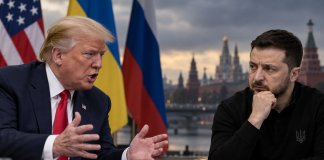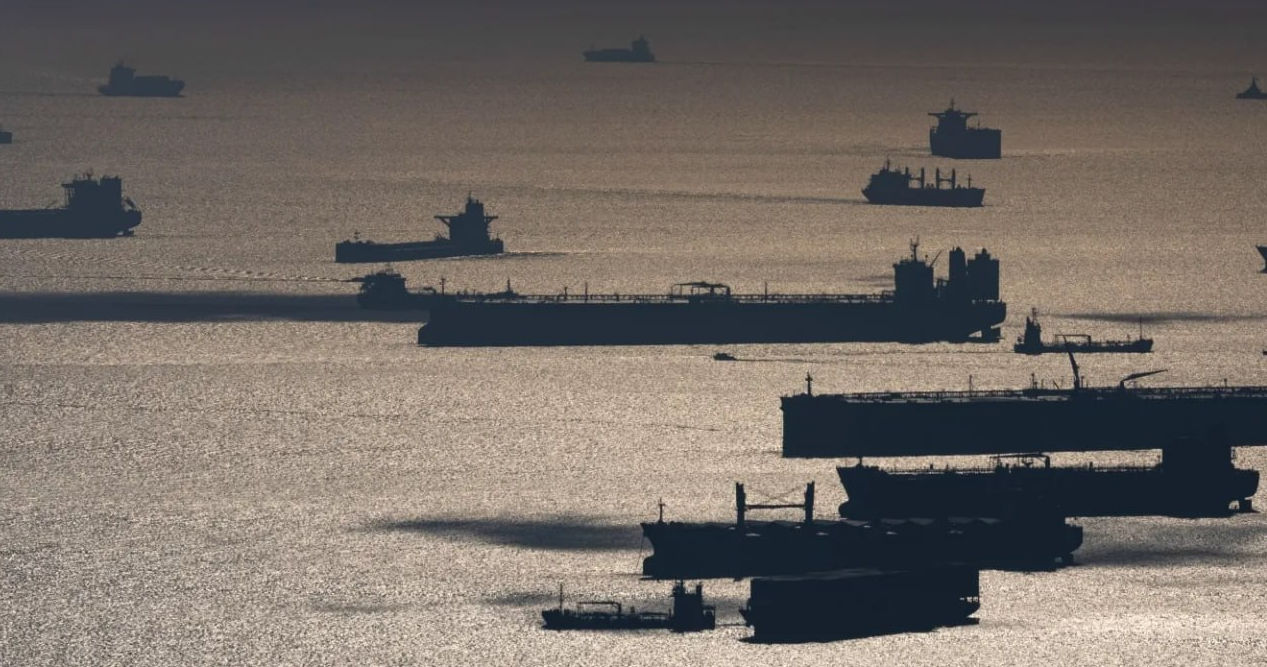
The administration of US President Donald Trump is launching a scheme under which investors will be able to purchase, refurbish and return individual oil tankers subject to sanctions to lawful operation. Energy Minister Chris Wright announced this approach on 19 October in New York, according to Bloomberg.
Briefly about the main points
- Transactions involving specific tankers will require individual approval from OFAC.
- According to Wright, vessels must not carry oil subject to US sanctions.
- Wright estimated the global «shadow fleet» to number approximately 1,600 tankers.
- Kpler considers around 24 VLCCs subject to sanctions to be potentially eligible for return.
How the mechanism should work
According to Rait, investors will be able to purchase vessels previously used in oil-transportation circumvention schemes, refurbish them and, subject to US approval, use them for ordinary trade. This refers to the transport of oil that is not subject to US sanctions.
Each transaction must be considered on a case-by-case basis. Reuters, citing a US government spokesperson, reported that companies require authorisation from the US Treasury Department, via the Office of Foreign Assets Control (OFAC), for transactions involving such vessels.
The full set of criteria for the new process has not been made public. Wright emphasised that, once approved, vessels must not carry oil subject to US sanctions.
Wright’s forecast and Kpler’s assessment
Wright estimated the global population of «shadow fleet»approximately 1,600 tankers. According to his forecast, thanks to the new mechanism, dozens or even hundreds of vessels could potentially return to lawful shipping.”.
This estimate refers to the wider «shadow fleet», rather than the number of tankers included on US sanctions lists. Nor does it represent the number of vessels that have already been authorised to resume commercial voyages.
The analytics firm Kpler takes a much more cautious view of the possibilities: of the approximately 160 OFAC-sanctioned very large crude carriers (VLCCs) that it tracks, around 24 may be potentially suitable for normal commercial operation. This is an assessment of the vessels’ suitability, not a list of agreed deals.
The case of the two expelled vessels
OFAC has already demonstrated that it is possible to remove individual tankers from the sanctions list. On 8 October, the agency removed the vessels HAKUNA MATATA and PINOCCHIO from the SDN list.
The US Department of the Treasury attributed the decision to a change in circumstances: the tankers were removed from the «shadow fleet» and sold to non-sanctioned operators with links to the US. This case is a documented example of the delisting of specific vessels; however, decisions regarding each tanker are made on a case-by-case basis.
What will limit the impact on the market
The initiative was announced against a backdrop of disruptions to maritime transport and heightened risks in the region Strait of Hormuz.
The US authorisation alone for the vessel to resume operations may not be sufficient. The technical condition of the tankers, their certification, insurance, the availability of a crew and a management company, as well as possible restrictions imposed by other jurisdictions – in particular the EU – in matters relating to trade with Russia, will all be significant factors.
The true scale of the scheme will only become apparent once specific, agreed operations have taken place and the vessels have actually returned to commercial service.