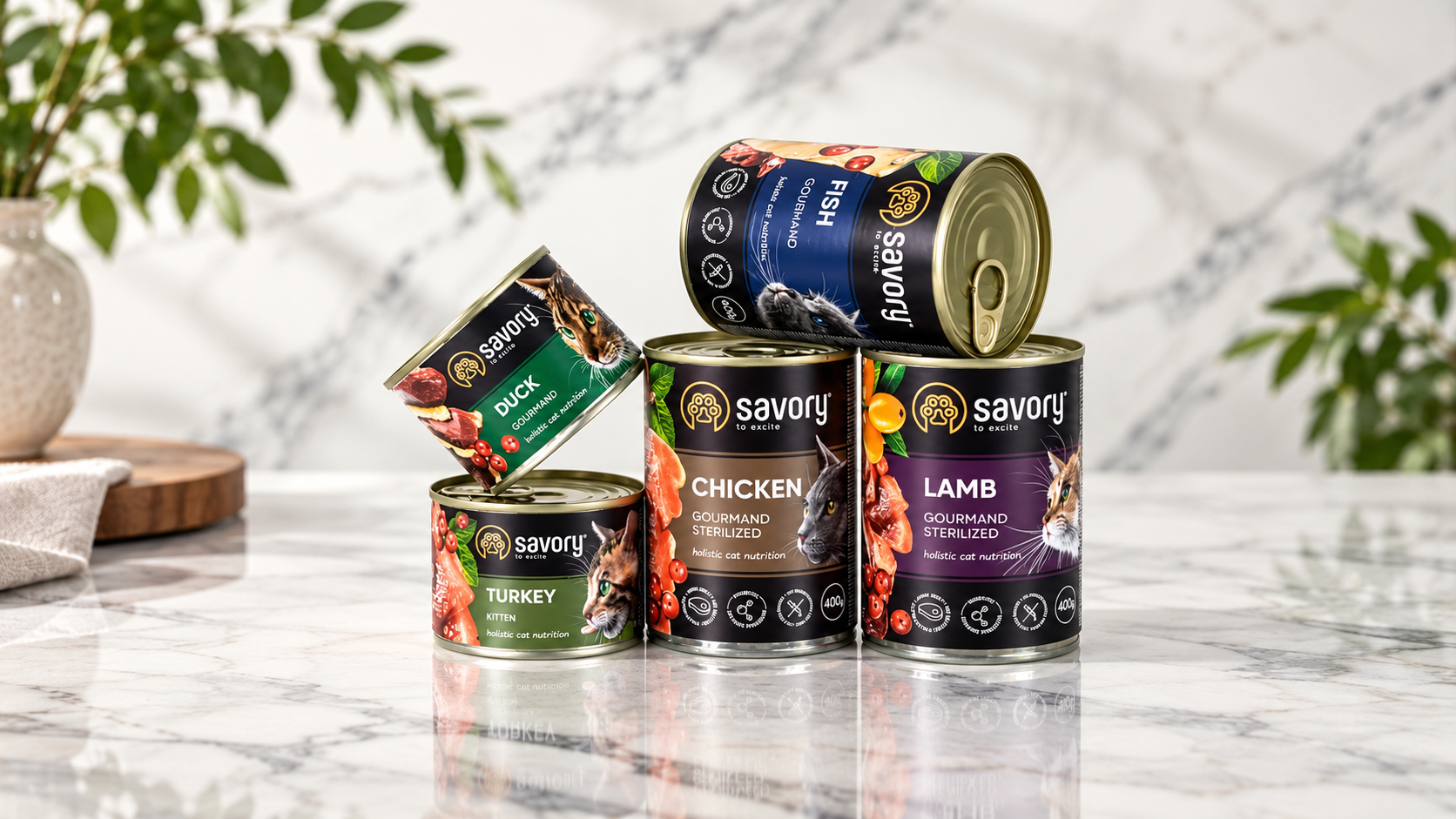
Cat owners often try out various flavours before finding one that their pet really likes. To avoid wasting money on random purchases, it is important to find out why the cat is refusing the food and to rethink your feeding approach. One option is – Savory wet cat food. The distinctive aroma and soft texture may appeal to a cat that usually ignores dry kibble. At the same time, it is important to take into account the cat’s individual preferences and the nutritional value of the product.
Why is my cat refusing to eat?
Cats are sensitive to the smell, texture and taste of their food. Sometimes it’s simply a matter of habit, but refusing to eat can also be a sign of health problems.
The most common causes:
- unsuitable texture – a cat may prefer pâté to chunks, or vice versa;
- an unusual smell – even a new flavour from a familiar brand may not appeal to your pet;
- an excess of treats – frequent treats reduce interest in the main diet;
- stress – moving house, noise or the arrival of another pet can affect a pet’s appetite;
- Feeling unwell – toothache, nausea and other symptoms are often accompanied by a loss of appetite.
If your cat has suddenly stopped eating, you shouldn’t dismiss it as a mere whim. Consult your vet, particularly if your cat is listless, vomiting or showing other symptoms. A prolonged refusal to eat is dangerous for cats.
How do you choose food for a fussy cat?
Don’t buy several large packs of different types of pet food all at once. First, check which varieties your pet likes best, and compare them in terms of their ingredients.
When making your choice, bear in mind a few criteria:
- Texture. Offer a small portion of pâté and wet food with chunks in sauce to determine your cat’s preferences.
- Composition. Choose a complete feed appropriate for your pet’s age and needs.
- Pack size. Small portions are a handy way to try out a new product.
- The body’s reaction. Keep an eye on your pet’s appetite, stools and coat condition after changing their diet.
In the Suziria Ukraine catalogue, you can browse Savory pet foods and compare the available options. This will help you narrow down your choice and select a product that meets your pet’s needs.
How can I get my cat interested in wet food?
Wet food has a soft texture and a strong aroma, and also helps to increase the amount of water a cat gets from its food. This can be a good solution for cats that don’t drink much or are reluctant to eat dry food.
To introduce your pet to a new product, follow these tips:
- Serve a small portion. That way, the food won’t sit in the bowl for too long.
- Try serving it at room temperature. If the food has been kept in the fridge, let it warm up a little. Do not serve hot food.
- Choose a quiet spot. The bowl should be placed away from the sink and noisy household appliances.
- Don’t add too many treats. Otherwise, it will be harder to tell whether your cat actually likes the new food.
Store opened packs in the fridge in accordance with the manufacturer’s instructions, and clear any leftovers from the bowl promptly.
How can I change my diet properly?
Do not switch to the new food all at once. Gradually increase the proportion of the new food over a period of about 7–10 days, whilst monitoring your pet’s reaction. If any digestive problems arise, slow down the transition and consult your vet.
Do not make your cat go hungry just to try a new diet. If an adult cat has not eaten for 24 hours, you should consult a vet; kittens, elderly cats and cats with chronic illnesses may need help sooner.
To find the right diet, start with small portions, take your cat’s preferences into account and check the ingredients. Compare the available Savory options and choose a complete food that meets your pet’s needs.