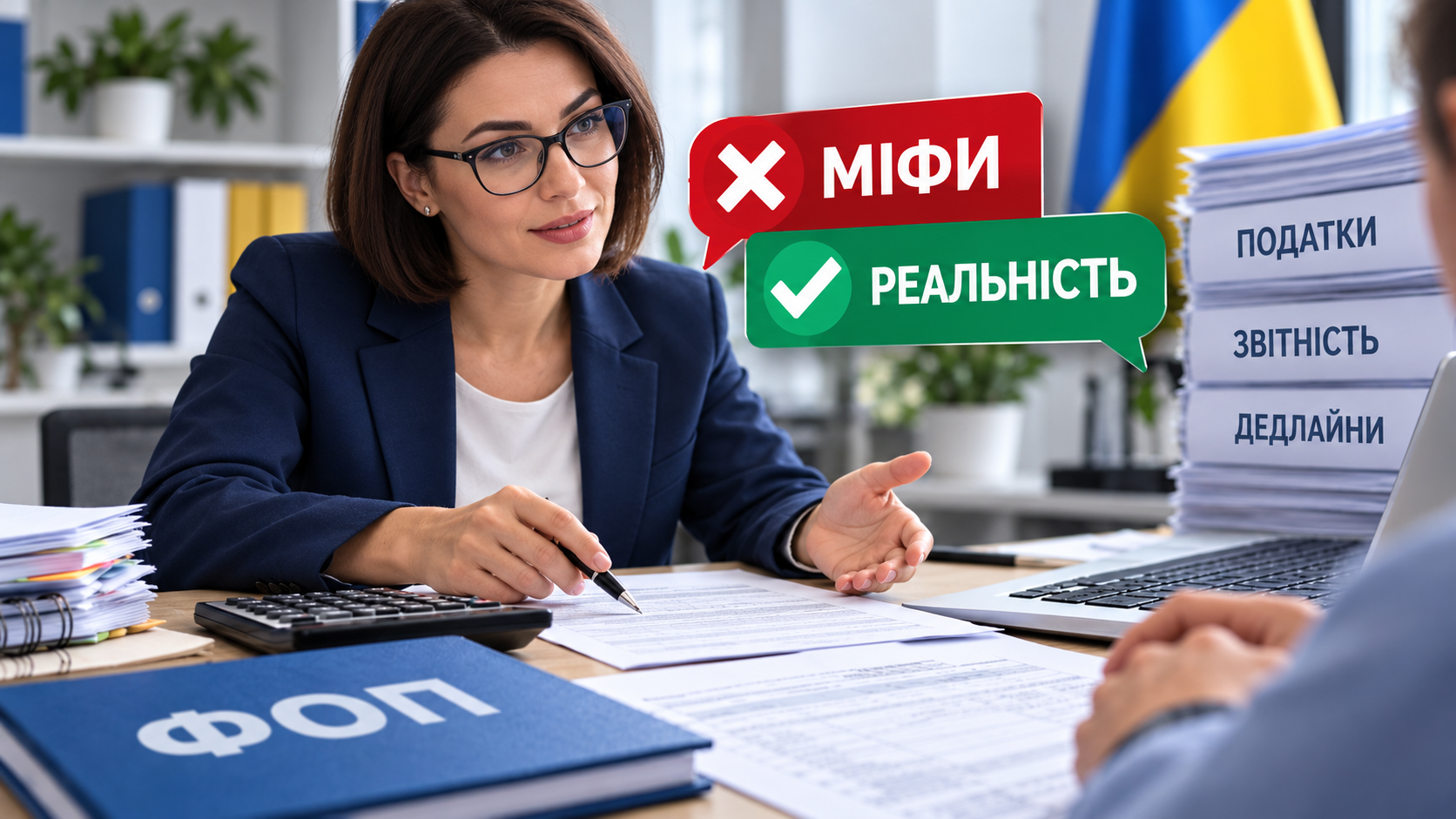
Many sole traders believe that electronic reporting for sole traders is a complex process requiring specialist knowledge and skills. In reality, modern tools make the reporting process much simpler, and specialist assistance is available if required. Detailed information on services for preparing and submitting sole trader tax returns, as well as the option to receive professional advice, can be found on the website. In this article, we will dispel the most common myths about sole trader accounting, which prevent entrepreneurs from running their businesses effectively and reporting to the state with confidence.
Myth number one: electronic reporting for sole traders is only available to large companies
That is completely untrue. Tax returns for sole traders must be submitted by all categories of sole traders, regardless of the size of the business. Whether you work alone or have a team of employees, reporting is just as essential. What’s more, it is often easier for sole traders than for companies, as they have a simplified reporting system. On the Tax Service’s website, everyone can find the reporting format that suits them best.
Myth number two: you can submit your sole trader’s tax returns with a significant delay without incurring penalties
The law sets out clearly defined deadlines for submitting tax returns. A delay will result in fines and interest, even if you have not been reminded of this. Sole traders must submit their tax returns by the specified deadlines – this is not a recommendation, but an obligation. If you miss the deadline, not only will you be fined, but you may also face problems with your registration in the future. It is therefore advisable to check the Tax Service’s website to see exactly when the deadline for your tax regime expires.
Myth number three: electronic returns seem to vanish into thin air and nobody checks anything
The flow of documents within the electronic reporting system is fully tracked. Each document has a reference number, date and time of receipt. The tax authority constantly analyses the information submitted. If errors or discrepancies are found in your sole trader’s tax returns, you will be sent a notice requiring you to clarify the matter. Ignoring such requests may lead to serious consequences.
Myth number four: you need an accountant to file your tax returns
For simple tax systems, many sole traders have no trouble preparing and submitting their tax returns themselves. Of course, this requires a certain amount of knowledge, but the information can be found on the website or in specialised software. Hiring an accountant is a personal choice for everyone, depending on the complexity of their business:
- if you are using the simplified scheme, you can submit your own returns;
- If you have a lot of transactions and staff, it’s best to leave the reporting to a professional;
- If you’re used to carrying out detailed calculations, think of the services provided by specialists as a safeguard against mistakes.
Myth number five: a sole trader’s tax returns do not affect their ability to secure loans or win tenders
Lenders and public sector contracting authorities always check applicants’ financial statements. If your sole trader’s financial statements are incomplete, submitted late or contain discrepancies, the bank may refuse to grant you a loan. Public sector contracting authorities also do not consider proposals from sole traders with reporting issues. Therefore, accurate and timely submission of data is an investment in the future of your business.
Myth number six: fines for errors in financial reporting are inevitably high
The amount of the fine depends on the nature of the error, how long it takes to rectify it, and the sole trader’s track record. Some errors can be rectified without incurring significant fines, provided this is done in good time. Therefore, if you notice an inaccuracy, it is best to contact the tax authorities straight away. You can find information on the website about the rules for correcting tax returns and the amounts of possible fines for various situations.
How to report correctly: the key steps
To avoid any problems, follow this simple procedure. First, determine exactly which type of sole trader tax return is required in your case. Then install the software for preparing documents, which is available on the Tax Service’s website. Next, fill in all the mandatory fields accurately using the data you have. Finally, check the returns several times before submitting them. These are the minimum steps you can take to protect yourself from misunderstandings.
Electronic reporting for sole traders is not the enemy, but a tool to help run a business. By understanding the reality of the situation and dispelling false beliefs, entrepreneurs can work with peace of mind and fulfil their obligations to the state on time.