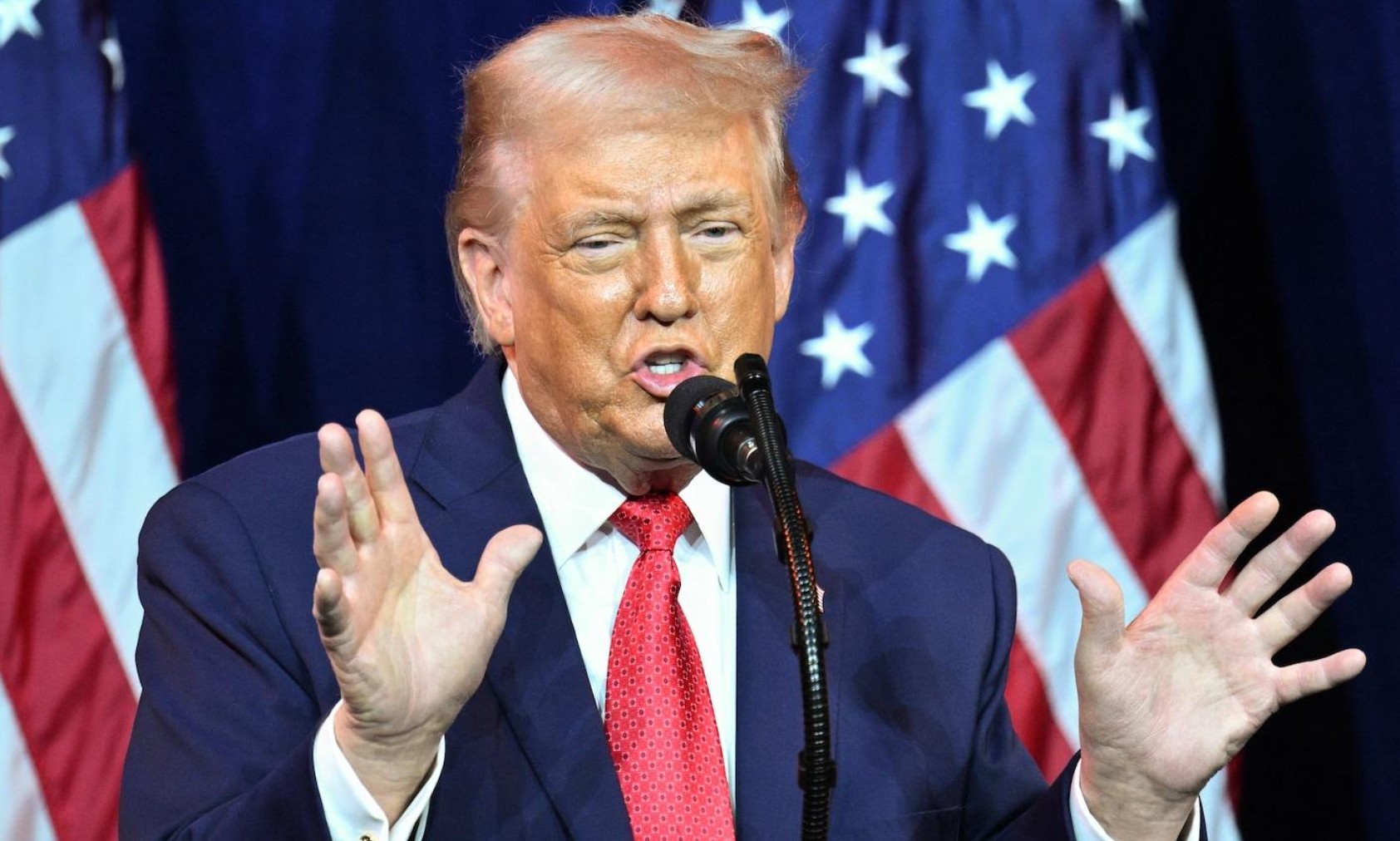
Dissatisfaction with President Donald Trump is growing within the US Republican Party following the loss of control of both houses of Congress. Party officials and political advisers are placing much of the blame for the mid-term election results on the White House. Among the main reasons cited are the war with Iran, rising fuel prices, trade tariffs and the administration’s tough immigration policy.
- Republican officials are blaming Trump for the party’s loss of control of Congress.
- The war with Iran is cited as one of the main reasons for the defeat.
- The criticism also relates to trade tariffs, immigration policy and rising prices.
- Some Republicans are calling on the party to distance itself from the President ahead of the next election.
Criticism of Trump is mounting within the Republican Party
The Republicans’ defeat in the mid-term elections on 3 November has exacerbated divisions within the party. The Democrats have gained control of the House of Representatives and the Senate, whilst some members of the Republican Party have begun to criticise the President’s decisions more openly.
According to Politico, dissatisfaction Trump had been building up even before the vote. Party officials acknowledged that White House policy was complicating election campaigns even in states where the Republicans traditionally held a strong position.
Some of the publication’s sources believe that the party needs to distance itself from the president in order to regain voter support. Among the critics is a Republican official from Michigan Todd Hillman, the former head of the party branch in Monroe County. According to a widely quoted statement, he urged his fellow party members to keep as far away from Trump as possible and expressed fears that the Republicans’ political difficulties could last until 2030.
At the same time, by no means all party members are prepared to speak out publicly against the president. Trump retains considerable influence over the Republican electorate, and his support remains a key factor for politicians planning to stand in the next election.
The war with Iran has become one of the main targets of criticism
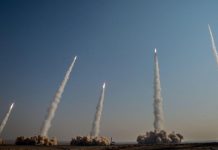
Most of the criticism within the party centres on Trump’s decision to launch a military campaign against Iran.
The war, which has been ongoing since February, has led to disruptions in the supply of energy resources and rising prices for petrol and diesel. For American voters, who were already concerned about the cost of living even before the conflict began, this has become an additional financial burden.
Republican advisers told Politico that, over recent months, candidates have been forced to answer questions about rising prices, even though decisions regarding the war were taken by the President’s administration.
The effects of the conflict were felt particularly acutely in agricultural regions, where rising prices for diesel and fertilisers increased production costs.
Even before the election, some party representatives had warned that the continuation of the war could have a serious impact on the election results. Following the loss of the majority in Congress, these fears became one of the central arguments in the internal party debate.
Tariffs and immigration policy have also taken their toll on the Republicans’ standing
Criticism of the White House is not limited to the war with Iran. Representatives of the Republican Party also point to the economic consequences of the trade tariffs imposed by the Trump administration.
In the states bordering Canada, notably Michigan and Maine, trade restrictions have created additional difficulties for businesses and producers. In agricultural regions, higher costs and uncertainty surrounding exports have caused concern.
At the same time, tough measures on illegal migration have sparked controversy even amongst traditional Republican supporters. This is particularly true in states with a large proportion of the population of Latin American origin.
A Politico poll conducted on the eve of the election revealed differing views on the reasons for the party’s potential losses. Among Republican voters, 29 per cent blamed Trump’s policies, whilst 30 per cent believed the problem lay in the president’s absence from the ballot papers.
Trump disagrees with his party colleagues’ assessments
Following the election, Donald Trump stated that the absence of his surname from the ballot papers was one of the reasons for the Republicans’ defeat. The President expressed his belief that, had he been personally involved, the party could have achieved significantly better results.
At the same time, in comments He admitted to the American media that a war with Iran could have influenced voter sentiment. Despite this, Trump continues to defend the decision to launch a military operation.
The White House has rejected attempts to portray the President as the main reason for the electoral losses. Administration officials emphasise his role in mobilising the Republican electorate and supporting the party’s candidates.
Once the new Congress takes office in January 2027, the Republicans will lose the ability to push through legislative initiatives on their own in both Houses. The Democrats will gain control of the relevant committees, the budgetary process and parliamentary inquiries, whilst Trump will retain his presidential powers, including the right of veto.