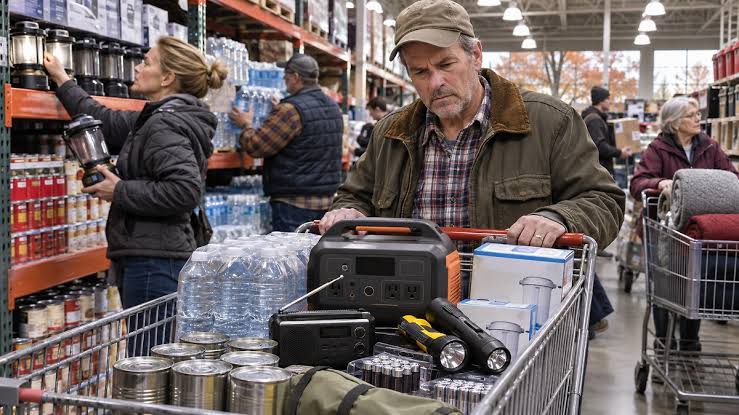
In the US, the popularity of ‘prepping’ – preparing for emergencies – is growing rapidly. Americans are actively stocking up on long-life food, drinking water, portable generators and batteries. According to Axios, sales at Survival Frog rose by 450 per cent between 27 October and 16 November compared with previous weeks.
- Sales of survival gear at the US-based Survival Frog chain have risen by 450 per cent.
- Preparedness for emergencies is becoming a widespread global trend.
- The European Union recommends that citizens keep a supply of essentials to last at least 72 hours.
Why are Americans stocking up on food in droves?
The rise in demand is attributed to concerns about cyberattacks, the vulnerability of energy systems, transport disruptions and international instability.
According to the founder of Survival Frog Byron Walker, most of the buyers in recent times have been new customers of the company. The items in greatest demand are tinned food, portable radios, solar generators, batteries and water filters.
What is prepping and why has it become popular?
Until recently, preparing for large-scale disasters was mainly associated with those who believe in doomsday theories. Now it is becoming part of everyday life for ordinary families.
People are stocking up on supplies at home, packing emergency bags and preparing for possible disruptions to the supply of electricity, water and food.
Europe is also preparing for emergencies
The European Commission, as part of crisis preparedness strategies provides for preparing the public to meet their basic needs independently for at least 72 hours.
For Ukrainians, such measures have long been a necessity due to Russian attacks on energy infrastructure and prolonged power cuts.