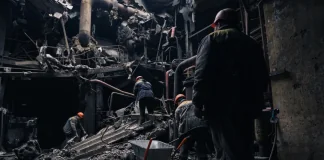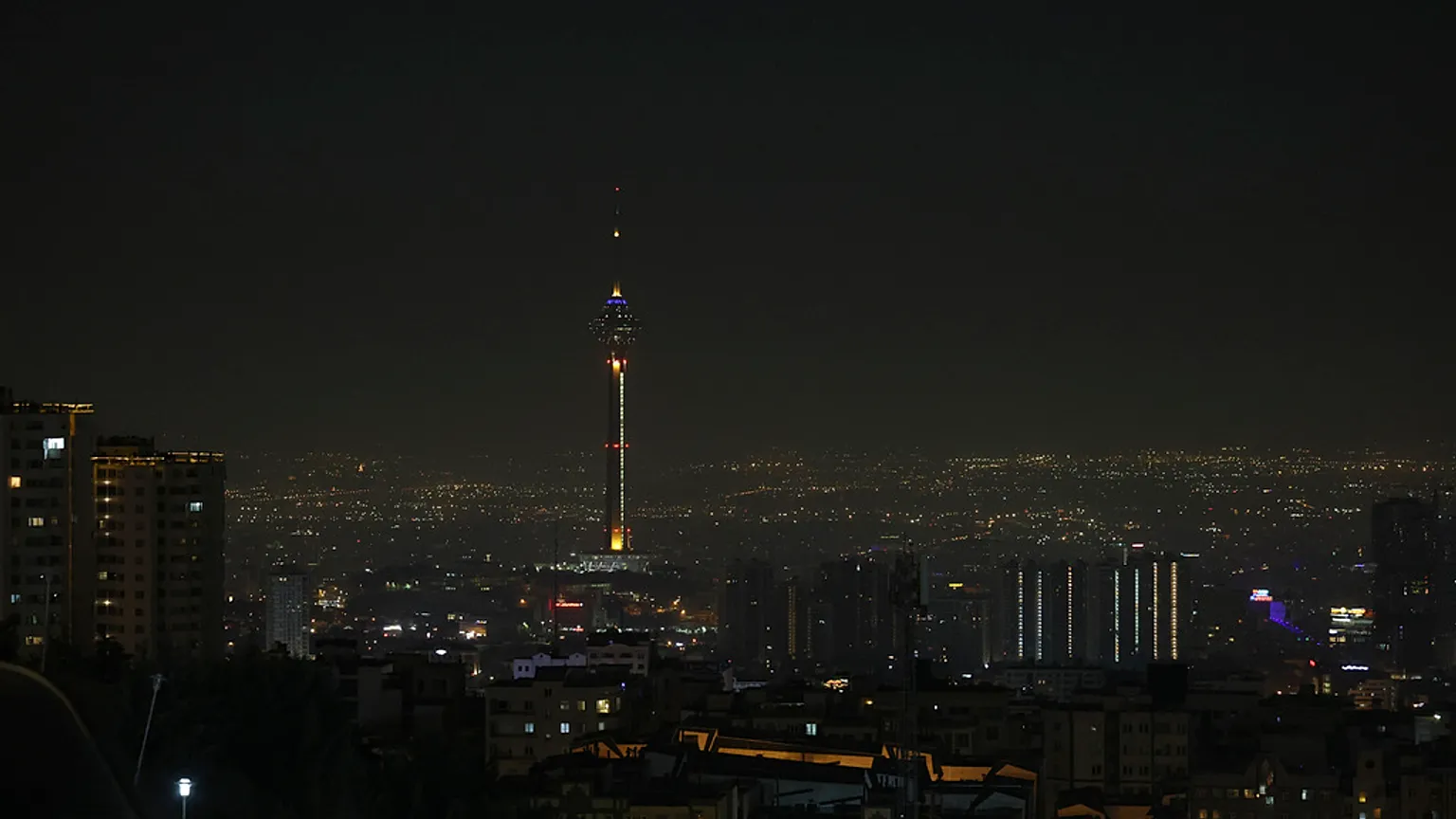
From 22 November, Iran is introducing planned power cuts for the general public and businesses in the commercial sector. This is due to damage to gas infrastructure caused by US and Israeli strikes, as well as a worsening fuel shortage ahead of the winter season. This was announced by Mohammad Allahdad, head of the national energy company Tavanir.
- Iran is introducing planned power cuts from 22 November.
- Power cuts may last up to two hours a day.
- The war has significantly reduced natural gas production capacity.
- As the cold weather sets in, the energy situation may take a turn for the worse.
How the power cut schedules will work
Initially, the plan is to cut off the electricity supply for around two hours every two days. If the weather turns colder, the restrictions may become daily.
Consumers will be informed of the times of power cuts via mobile apps and electronic notifications. The authorities will endeavour to maintain a stable electricity supply to industrial enterprises.
The energy crisis is unfolding against the backdrop of a protracted military conflict and yet another US strikes against Iran and the tense situation in the Persian Gulf.
Iran has lost a significant proportion of its gas production capacity
According to the head of Tavanir, as a result of damage to its gas infrastructure, Iran has lost production capacity equivalent to approximately 230 million cubic metres of gas per day. More than half of this capacity has been restored, but production volumes remain below last year’s levels.
Most of the country’s electricity is generated by thermal power stations fuelled by natural gas. In winter, a significant proportion of the country’s natural gas reserves is used to heat residential buildings, which exacerbates the shortage of fuel for electricity generation.
The Iranian government forecasts an increase in the winter gas shortfall to 430 million cubic metres per day compared with 300 million last year.
Despite having some of the world’s largest natural gas reserves, Iran has long faced energy problems due to outdated equipment, international sanctions and insufficient investment in infrastructure.