
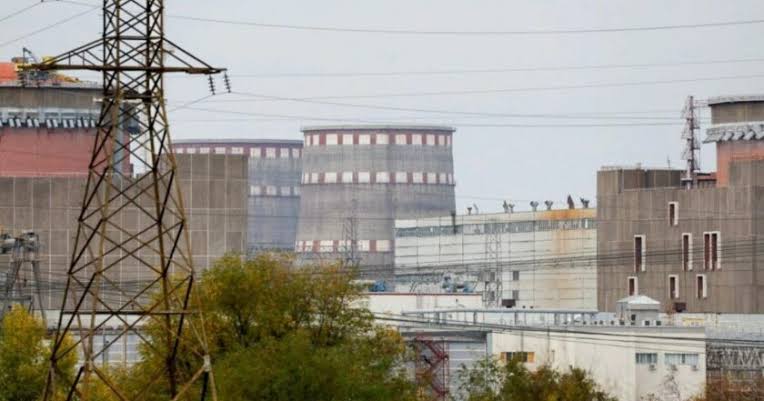
Following a massive Russian attack on the energy infrastructure on 20 November, Ukraine completely halted electricity exports abroad. The day after the attack, the volume of imports rose 3.5-fold, reaching its highest level since mid-June, and on 22 November, exports of Ukrainian electricity to other countries ceased entirely. These figures were published by the Centre for Economic Strategy (CES) in its November review.
Briefly about the main points
- Since 22 November, Ukraine has completely halted its electricity exports.
- Following the attack on 20 November, the nuclear power stations were forced to reduce their output due to grid constraints.
- Electricity imports surged 3.5-fold on 21 November, reaching 19.6 GWh.
- The Energy Support Fund is still short of around 450 million euros for reconstruction.
How the incident on 20 November altered the balance of power generation
According to the Centre for Energy Studies, since the beginning of September, Russia has carried out more than 1,000 strikes on the Ukrainian power grid. Not only power generation facilities but also high-voltage substations and transmission networks have come under attack.
It was precisely these grid constraints that previously explained why the country was able to export electricity even during prolonged rolling blackouts in certain regions: it was physically impossible to transmit surplus electricity from one part of the country to where there was a shortage. Following the attack on 20 November, the situation became so complicated that Ukrainian nuclear power stations were forced to reduce electricity generation, as the damaged substations prevented them from feeding power into the grid.
Trends in electricity exports and imports
Energy Map statistics show a sharp reversal in cross-border electricity trade immediately following the shelling:
- 21 November: Imports rose by approximately 3.5 times (from 5.7 to 19.6 GWh — a record high since mid-June), whilst exports plummeted from 7.3 to 0.8 GWh.
- 22 November: Electricity exports have ceased entirely.
- 24–26 November: Daily imports gradually fell — from 15.4 GWh on Tuesday to 10.3 GWh on Wednesday and 7 GWh on Thursday.
Hungary remains Ukraine’s largest supplier of electricity.
How much funding is still needed to restore the power grid?
Problems with electricity transmission are becoming more acute against a backdrop of a lack of funding for repairs and the purchase of equipment, particularly in regions that are already facing power cuts due to damage to components.
In October, the Ukrainian Energy Support Fund signed record-breaking contracts for the supply of equipment worth 200 million euros, whilst donors have transferred a total of almost 800 million euros this year. However, even under these circumstances, the fund faces a shortfall of around 450 million euros — and this assessment of requirements was drawn up before the latest wave of Russian attacks at the end of November.