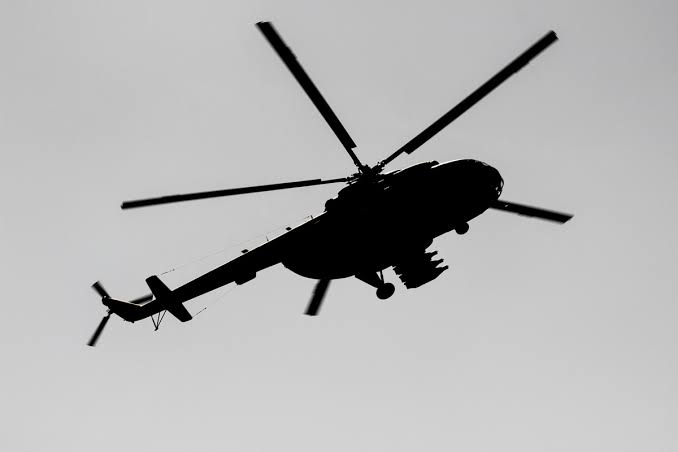
In south-eastern Peru, a Mi-17 military helicopter belonging to the country’s Air Force crashed whilst carrying out a mission to evacuate an army patrol. Eight military personnel were killed in the crash — five crew members and three army soldiers. The sole survivor of the crash was the helicopter pilot, who was hospitalised with serious injuries in the capital, Lima.
- A Mi-17 military helicopter belonging to the Peruvian Air Force crashed in the remote, mountainous and forested area of Sanabamba in the Ayacucho region.
- The aircraft was carrying out a mission to evacuate three army personnel following a reconnaissance mission.
- Eight people on board were killed in the crash — five crew members and three evacuated soldiers.
- Only the pilot, Enso Espinosa Roque, survived; he was taken to a hospital in Lima; the causes of the tragedy are being investigated.
Circumstances of the disaster and details of the victims
According to the Peruvian Ministry of Defence and the VRAEM Regional Special Command, a Mi-17 helicopter with registration number FAP-636 lost contact on the evening of 26 November. The crash occurred near the remote rural village of Sanabamba in the Ayacucho region.
According to official figures from the Ministry of Defence, the course of the rescue operation and the consequences of the incident are as follows:
The crew’s task: The aircraft was due to pick up three soldiers from a Peruvian Army patrol following the completion of a reconnaissance operation, but shortly after they boarded, contact with by helicopter disappeared;
Victims of the tragedy: Search and rescue teams found the wreckage of the vehicle and all nine soldiers — eight of whom died at the scene (five crew members and three patrol soldiers);
The condition of the sole survivor: pilot Enso Espinosa Roque survived, having sustained serious injuries, and was promptly evacuated to Lima to receive specialist medical treatment;
Investigation: Peruvian Minister of Defence Rafael Belaunde Llosa and the Joint Command of the Armed Forces have expressed their condolences to the families of the deceased; meanwhile, the causes of the crash and the circumstances that led to the patrol requiring urgent evacuation are currently being investigated.
What the VRAEM region is known for and previous incidents in Peru
Disaster took place in the valley of the Apurímac, Ene and Mantaró rivers (known by the acronym VRAEM) — a remote mountainous region considered to be Peru’s largest centre for coca leaf cultivation and cocaine production. For decades, there has been a heavy military presence in this area due to the activities of drug cartels and remnants of the Maoist rebel group «Sendero Luminoso» («Shining Path»).
This is now the second major crash involving a Mi-17 military helicopter in Peru in 2026: in February, a helicopter of the same type crashed in the south of the country, killing all 15 people on board